
The Social Exchange: Strengthening Malaysia’s Social Finance Ecosystem
The Social Exchange is a great initiative by the Securities Commission Malaysia (SC). It is not just an initiative, but a statement that we are not just thinking about the…

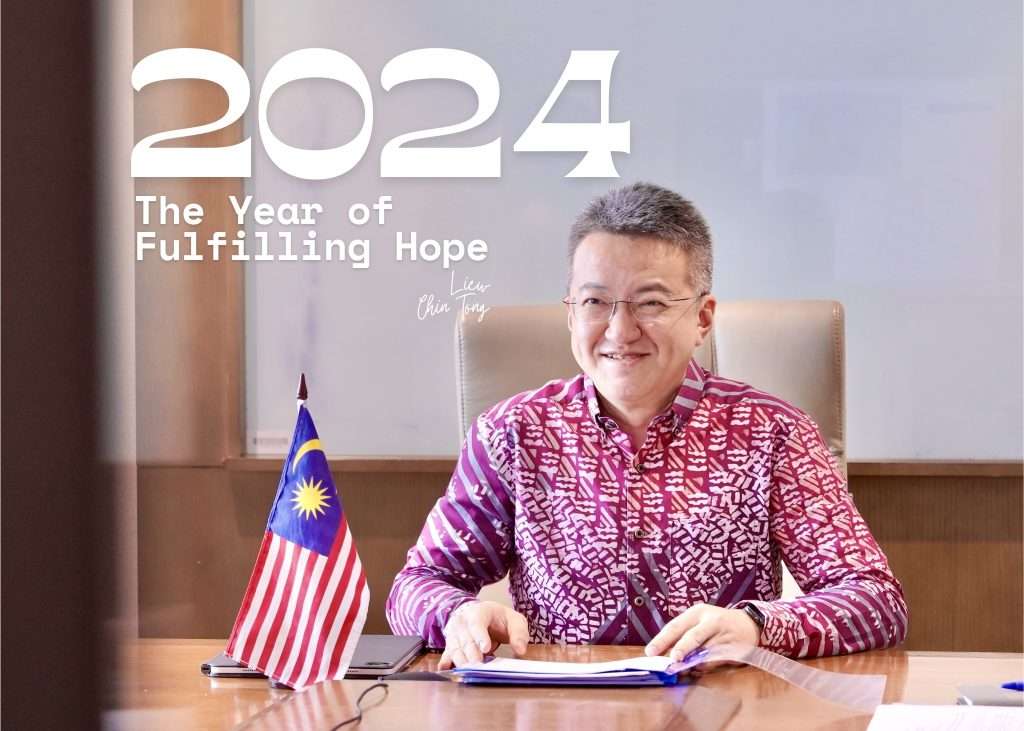
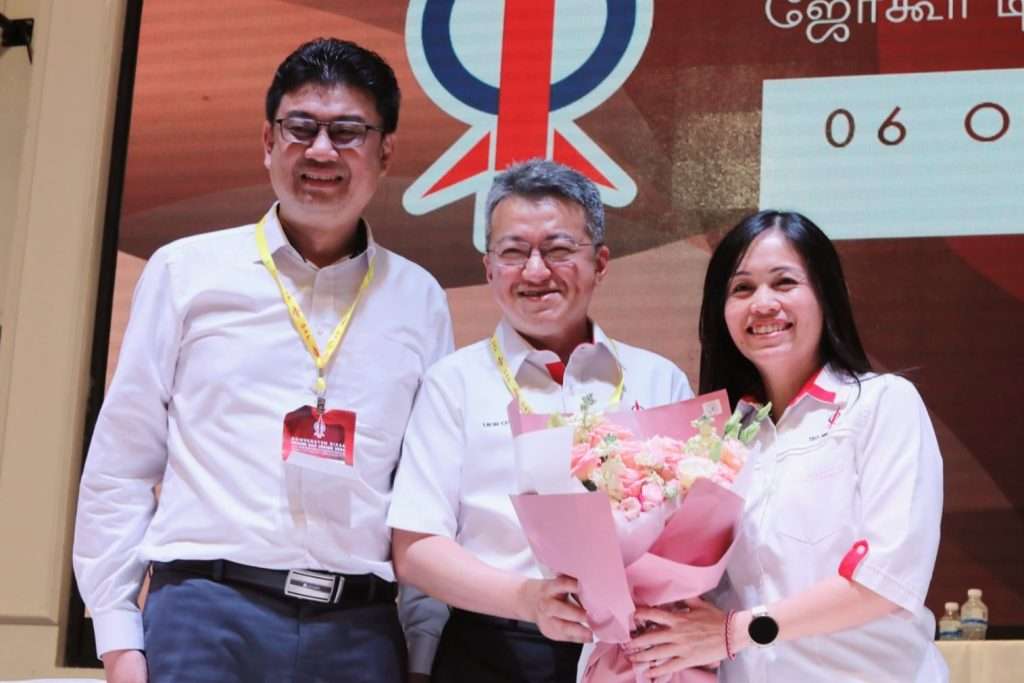
The most gratifying event for me in 2024 was to hand over the Johor DAP chairmanship to my fellow leader Sdri Teo Nie Ching at the party election on 6 October. After a decade at helm, leaving a position of significance by choice is indeed very satisfying.
It is also great to have a strong successor who is willing and ever ready to take up the challenge. I wish Nie Ching well and thank Johor DAP leaders and members for their support.
In September, I spent half of the month in Kluang, my former constituency, for the Mahkota by-election campaign. The polling day was held on 28 September. The Barisan Nasional-Pakatan Harapan candidate, Sdr Syed Hussien Syed Abdullah, won with a landslide victory.
We have proven the point that “one plus one is greater than two”. If the leaders of BN and PH eventually decide not contest against each other in the Peninsula, the chances of the Unity Government winning the next general election would significantly increase. And, if the Unity Government led by Prime Minister Datuk Seri Anwar Ibrahim stays for more than a term, it has the potential to be the most consequential administration since the Tun Razak government in the 1970s, heralding a new political order that may influence the nation in the decades to come.

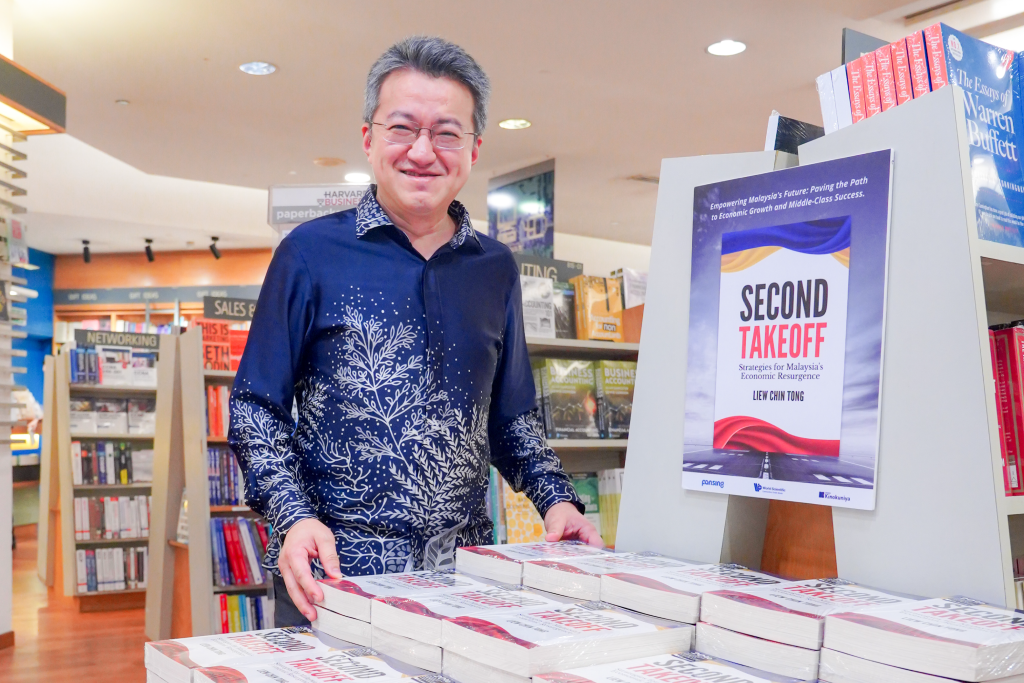
This year too, I am delighted that my latest book Second Takeoff is quite well-received. Malaysia is presented with a once-in-a-generation opportunity to create a middle class society among us, and make Malaysia a more prosperous and inclusive nation.
At the Ministry of Investment, Trade and Industry, I have the honour of working with one of the most dynamic ministers, Tengku Zafrul Aziz, who is ever willing to consider various viewpoints and ready to test out new ideas. For example, the Omar Siddiq Independent Committee on the Iron and Steel Industry Report is now completed and will be the guide for major changes in the steel industry.
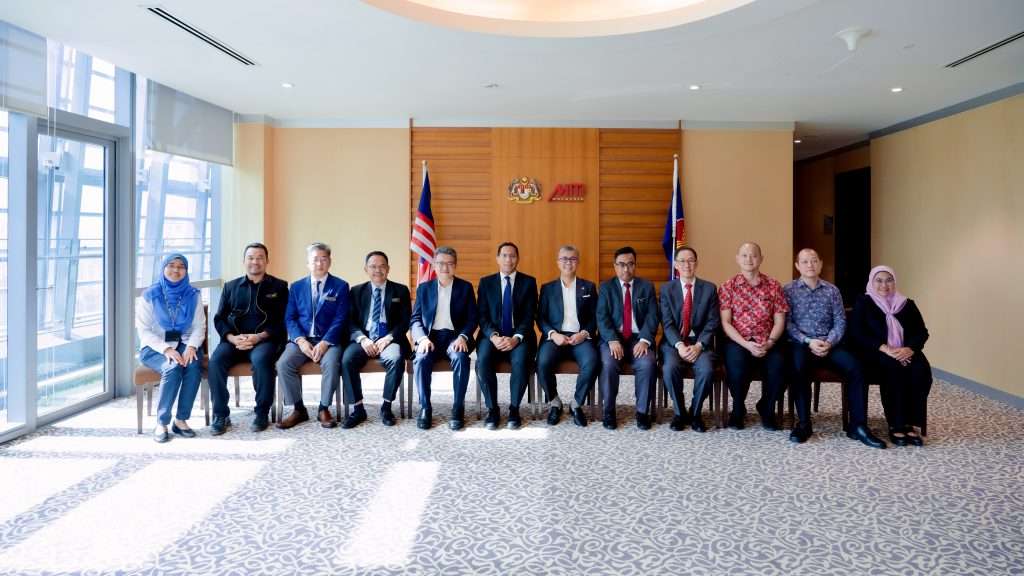
I hope more ministries will commission eminent persons to conduct independent reviews of existing policies so as to provide the government with alternative views and perspectives. As the saying goes, doing more of the same and expecting a different outcome is insanity.
The Prime Minister, at the advice of Tengku Zafrul and MITI, launched the National Semiconductor Strategy on 28 May, signifying that the government now treats chip-making as a strategic sector.
This year, among many factory visits, thrice I led multi-day tours to see the semiconductor sector, twice in Penang-Kulim and once in Selangor-Negeri Sembilan. One of such visits involved the chiefs of government-linked investment corporations (GLICs). It is refreshing that the GLICs and GLCs are now committed to growing Malaysian technologies and capabilities.
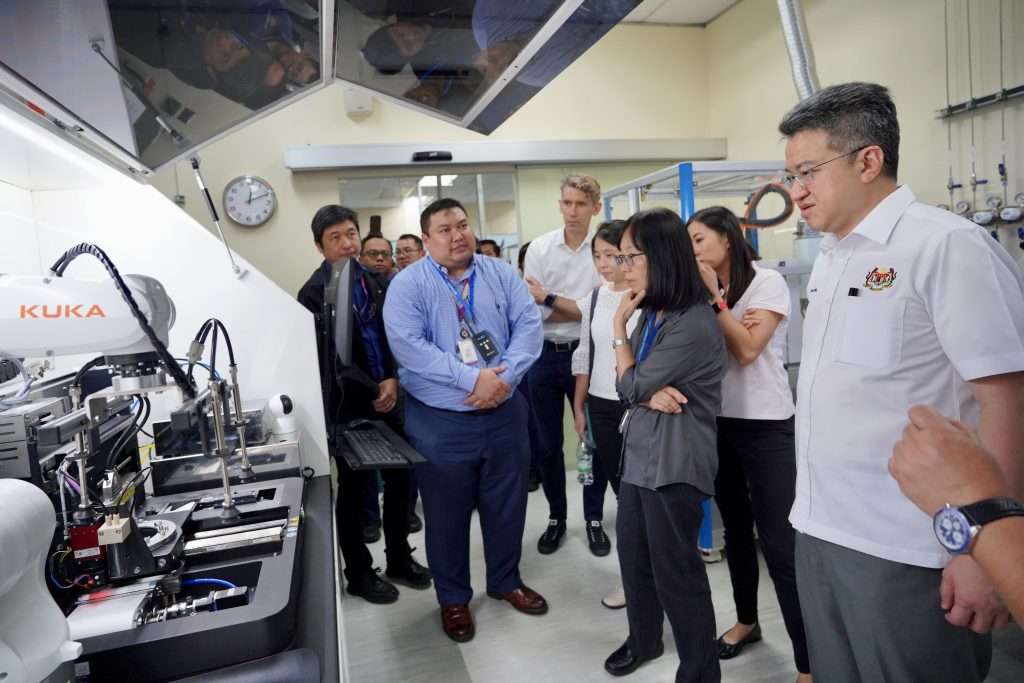
We would like to see more localisation programmes by foreign direct investments (FDI), as well as horizontal linkages such as linking the semiconductor industry with the automotive industry.
A foreign friend who joined me on the factory floor commented that “now I know where your optimism about Malaysia’s future is from”. My vision is to see Malaysia cementing its position as the “indispensable middle” in the global technology landscape. In the next decade, while Malaysian technologies may not exceed the sophistication of that of the United States, Europe, China, Japan, Korea, and Taiwan, we should be uniquely positioned just right below them.
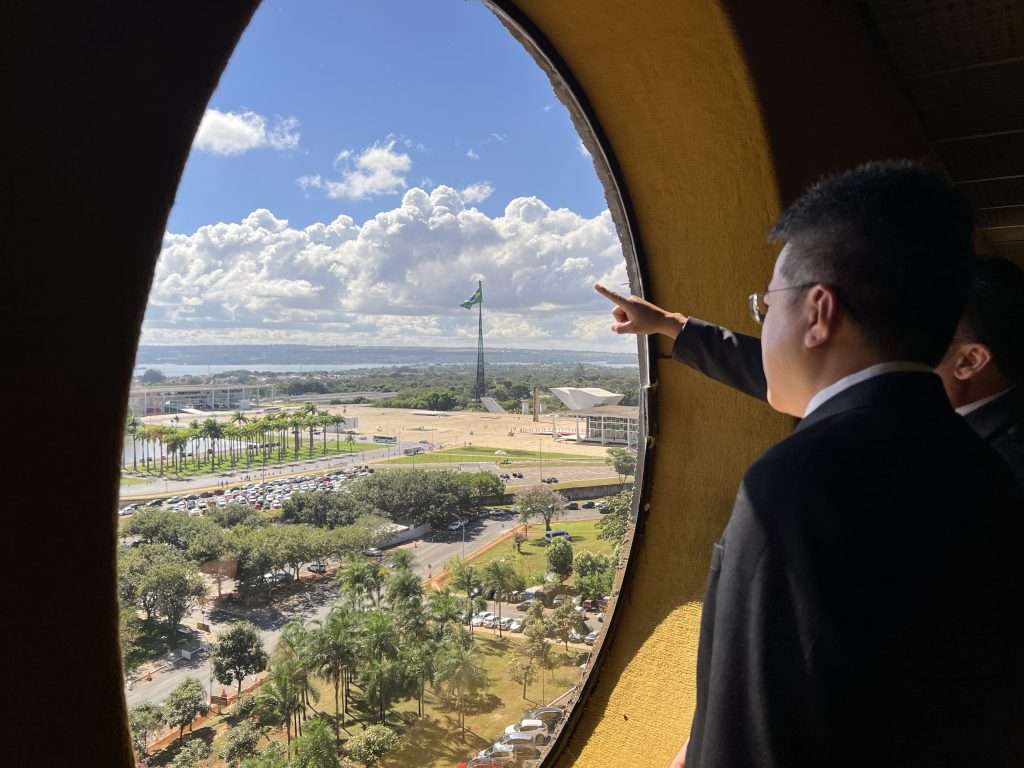
MITI’s roles include international trade. I am glad to have visited Brazil in May and what we learnt there contributed to some of the outcomes of the Prime Minister’s visit to Brazil in November. The two Global South nations can achieve a lot together.
I am also proud that MITI worked with 6 private universities (INTI, HELP, Taylor’s, UCSI, Monash Malaysia, and Sunway) to create twelve Malaysia-Laos Economic Cooperation Scholarships for qualified Laos undergraduate students.
Malaysia can do more in helping less developed nations around us to build the next generation talent pool for a better region. I look forward to Malaysia’s ASEAN Chairmanship in 2025 to bring transformative changes to the region.
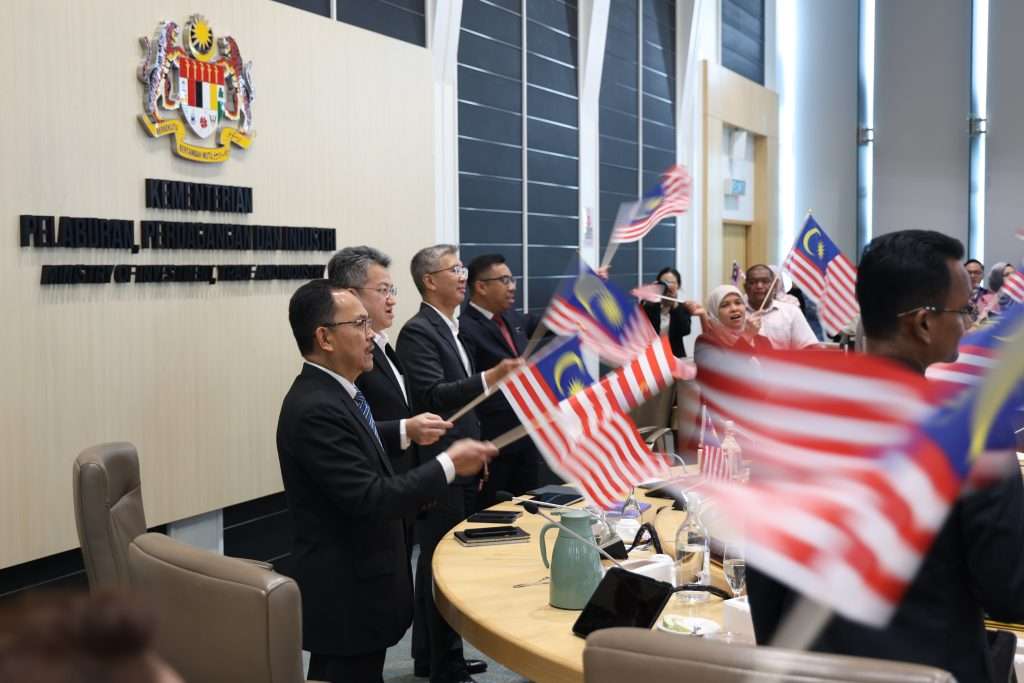
During my various engagements with friends and potential investors from China, I impressed upon them that economic cooperation between Malaysia and China requires long-term thinking and should bring mutual benefits; and that Malaysia is a location for regional headquarters and R&D centres, not just manufacturing production sites, which was why when I visited to Shenzhen in April, I devoted time to visit the Shenzhen Arbitration Centre and the Shenzhen Stock Exchange.
I have popularised the line that “Malaysia is not a Vietnam Plus, doing manufacturing better, but a Singapore at a discount.” The point is that Malaysians and foreign investors need to see Malaysia in a new light and understand the full potential of Malaysia and its people.
Having the right perspective and paying the right price is crucial. Whenever someone comes to me to complain about Malaysia not having talents, I tell them “Malaysia doesn’t have a talent problem, we just have a pay problem.”
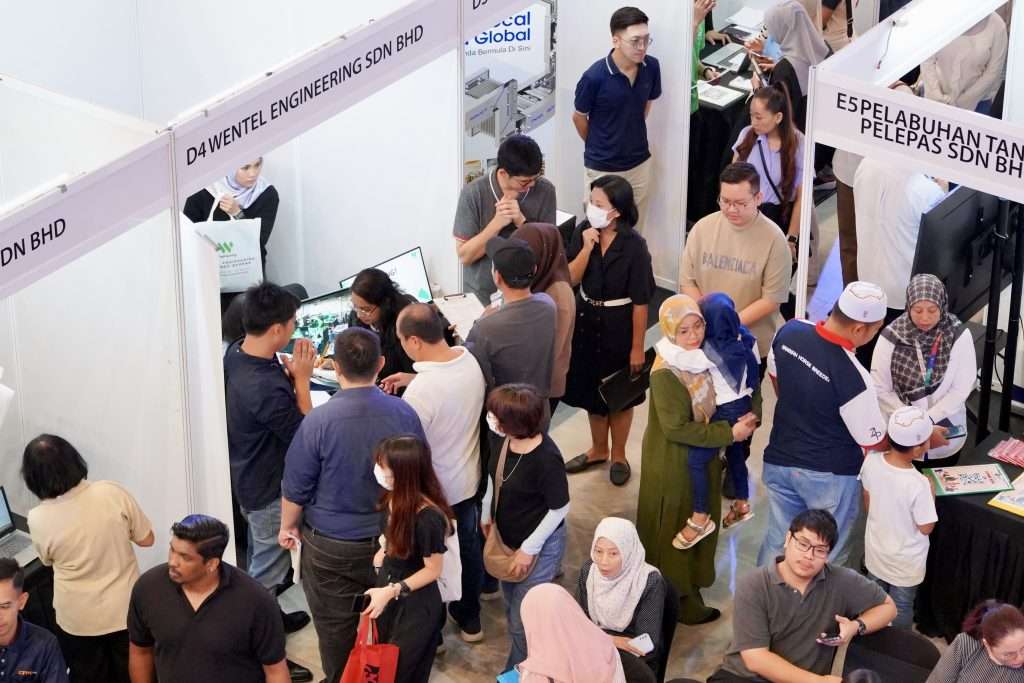
There are more than a million Malaysians working in Singapore mainly due to low pay in Malaysia. In May, the Iskandar Puteri Parliamentary Office with Federation of Malaysian Manufacturers (FMM) Johor, organised a unique job fair. My request to all exhibitors: please only offer jobs that pay more than RM3,500. Malaysians deserve better and like it or not, if corporations do not pay well, their workers will vote with their feet to work in Singapore.
But I don’t see Malaysia and Singapore necessarily caught in a competition mode. With the shift away from “just-in-time” supply chain strategy to one that is centred on “just-in-case”, and with supply chains relocated out of China, there is so much Malaysia and Singapore could do together. Therefore, I am looking forward to the successful implementation of the Johor-Singapore Special Economic Zone (JS-SEZ) ideas.
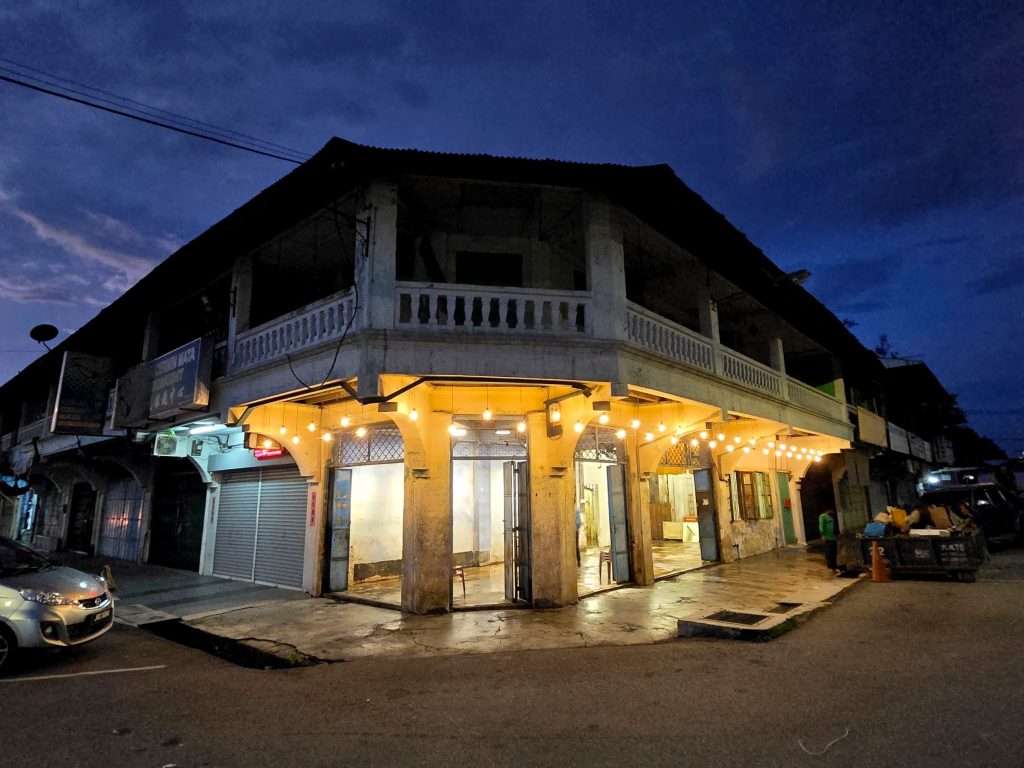
On 25 February, my team in Johor organised the Pesta Gelang Patah 2024 to showcase the beautiful old shophouses. The shophouses’ five-foot ways have no pillars and are supported by cantilever beams, a great engineering feat when it was built in 1929 and a rarity among Malaysian shophouses. The communal balcony that linked the upper floor is also special. The event was attended by 10,000 people. At that point of time, we were not sure of the fate of the street.
I am delighted that we are now working with the owner to preserve the heritage area. This coming 8 February, the second Pesta Gelang Patah will be held at Jalan Kacang Panjang, Gelang Patah, again. I hope to see you there!
All in all, in 2024, we, as the government, have stabilised the ship and set the nation in the right direction. Of course a lot more will have to be done, and not just by the top leaders, but by all of us.
Malaysia may not be perfect but it is our beloved home and potentially a nation of consequence which is now having a rare chance of a second takeoff.
Looking forward to a great year ahead in 2025. Happy New Year!

