
The Social Exchange: Strengthening Malaysia’s Social Finance Ecosystem
The Social Exchange is a great initiative by the Securities Commission Malaysia (SC). It is not just an initiative, but a statement that we are not just thinking about the…

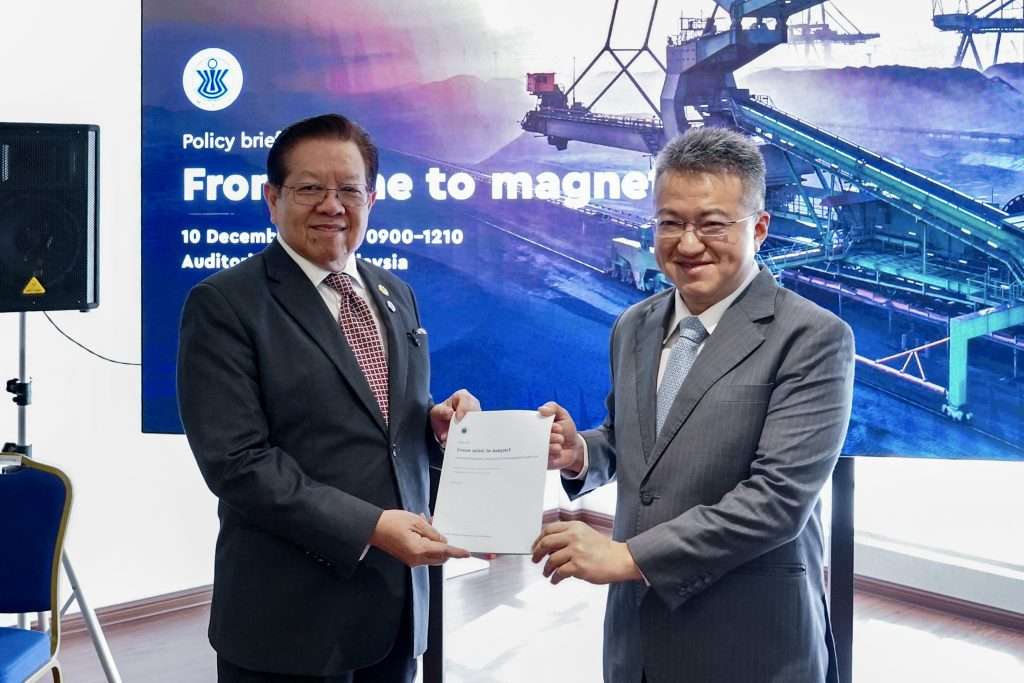
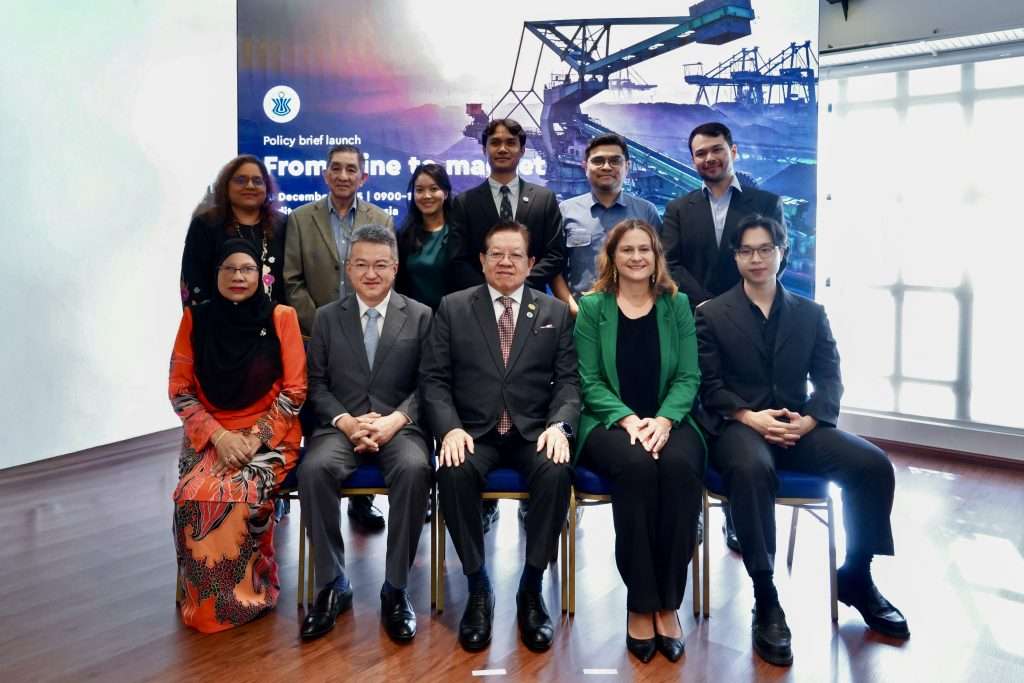
I would like to congratulate Institute of Strategic and International Studies (ISIS) Malaysia for the publication of its policy brief “From Mine to Magnet: Positioning Malaysia in the Emerging Global Supply Chain”.
The authors Qarrem Kassim, Zayana Zaikariah and Fahad Ijlal Nizam have brought together various issues concerning the governance and development of the rare earth elements (REE) sector in Malaysia, including institutional designs, industrial and technology strategies, and the question of sustainability.
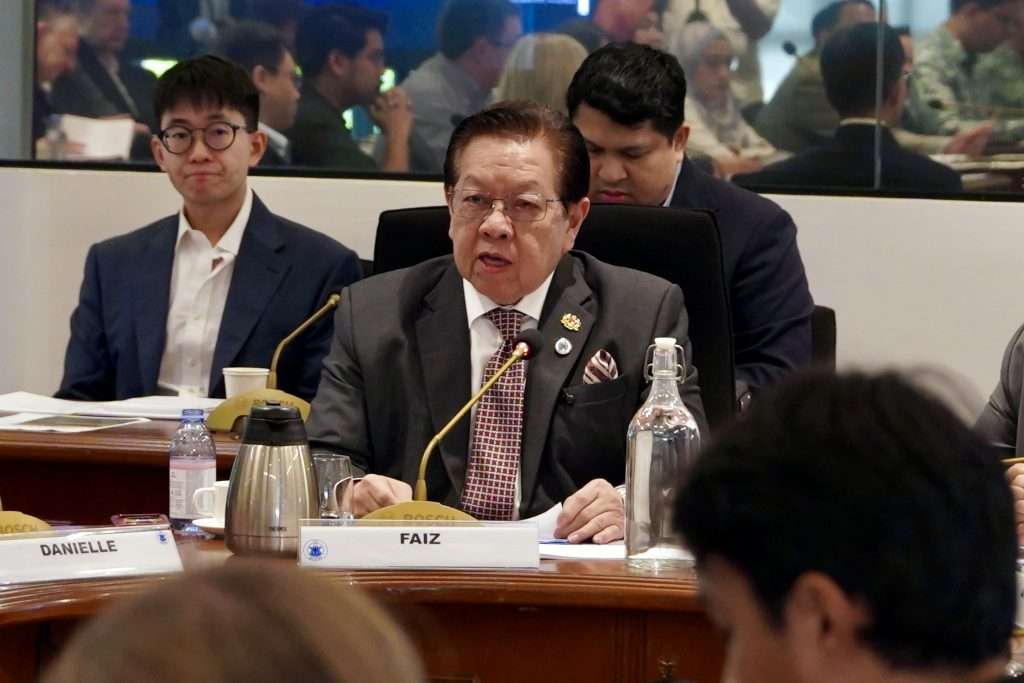
In his foreword, Professor Datuk Dr Mohd Faiz Abdullah captured the essence of the challenge: “If the 20th century was defined by oil and the geopolitics of energy, then this epoch will be shaped by the geopolitics of critical minerals. Amid this emerging order, nations that combine industrial certainty, technological depth and environmental integrity will lead.”
The International Energy Agency (IEA) calls our time the “Age of Electricity”. The advent of AI and digitalisation means more data centres are needed; changing climate patterns mean more cooling or heating will be required; and mobility is increasingly electrified through electric vehicles, all of which require more electricity. All of these technologies require critical minerals. And, as we think about using renewable energy to power our grids, REEs are needed.
What we are experiencing is a major transition in energy. The world moved from coal to oil, and now from oil to electricity.
As the paper pointed out, and as already widely known, Malaysia is the world’s second largest exporter of refined rare earths. But we should also acknowledge that leaving REEs to market forces alone without institutional coordination is not going to work.
A laissez faire approach would mean unprocessed raw materials being sold legally or illegally to the highest bidders (there is currently a ban on the export of unprocessed raw materials); it may also mean that the federal and state governments will quarrel perennially on who gets what; and illegal mining or mining that are inadequately regulated could result in disastrous environmental and human costs.
It is important to note that China emerged as the largest refiner of REEs while US companies folded in the last several decades due to a fact: REEs on its own are not exactly a very lucrative business. Therefore, building a comprehensive supply chain is the key.
The government has made the right decision of banning the export of raw REEs. In a journey that has a thousand miles, this is just the first step.
As a nation, we need to be very clear and determined that we do not sell raw cakes but we want to develop the industry from upstream to downstream.
To do so, we will have to agree that the government needs to take the lead through industrial policy and international cooperation.
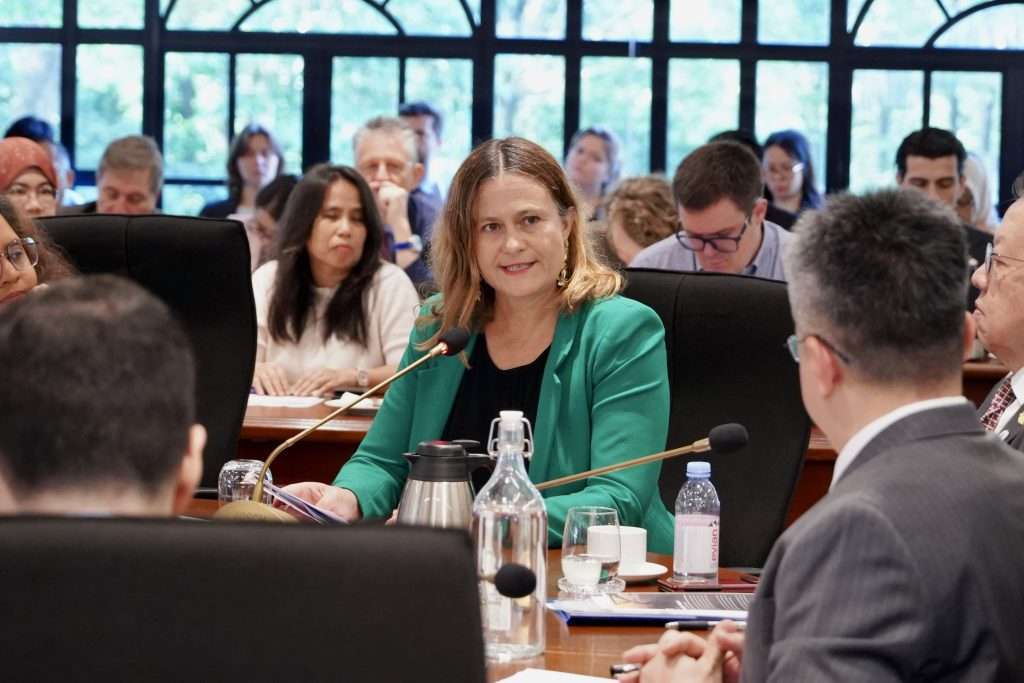
To be able to intervene effectively, the government – whether federal or state – will have to:
First, build the institutional capacity and capability to deal with the sector, including the regulatory capacity to ensure the sector is developed sustainably and fulfill all safety requirements;
Second, as recommended by the paper, coordinate well among the federal agencies, and between the federal and state governments;
Third, make available the right set of incentives and capital for industrialisation of the sector to happen;
Fourth, always keep in mind the geopolitics and geoeconomics challenges of this sector and build international cooperation strategically.
However, we have to remember that doing more of the same won’t yield different results. A robust Malaysian REE industry will have global consequences and it may even make Malaysia a more important middle power, but we need to be more organised.
The federal government will have to address the silos within our system; the federal and state governments will have to find new ways to make our federalism work – the 1957/1963 Constitutional Framework gives natural resources to the states but we now need to incentivise the states to not just look at the soil but actually get involved in industrialisation; and the GLICs and GLCs have to be prepared to invest.
In short, a paradigm shift is needed.
May I thank ISIS Malaysia again for this excellent paper to help frame the conversation.
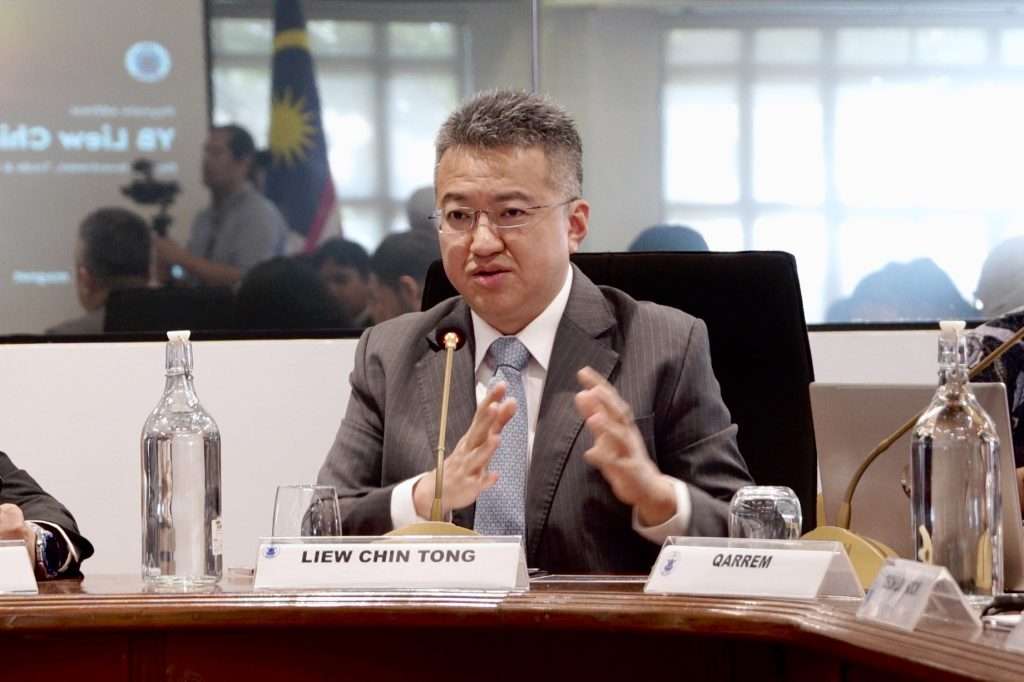
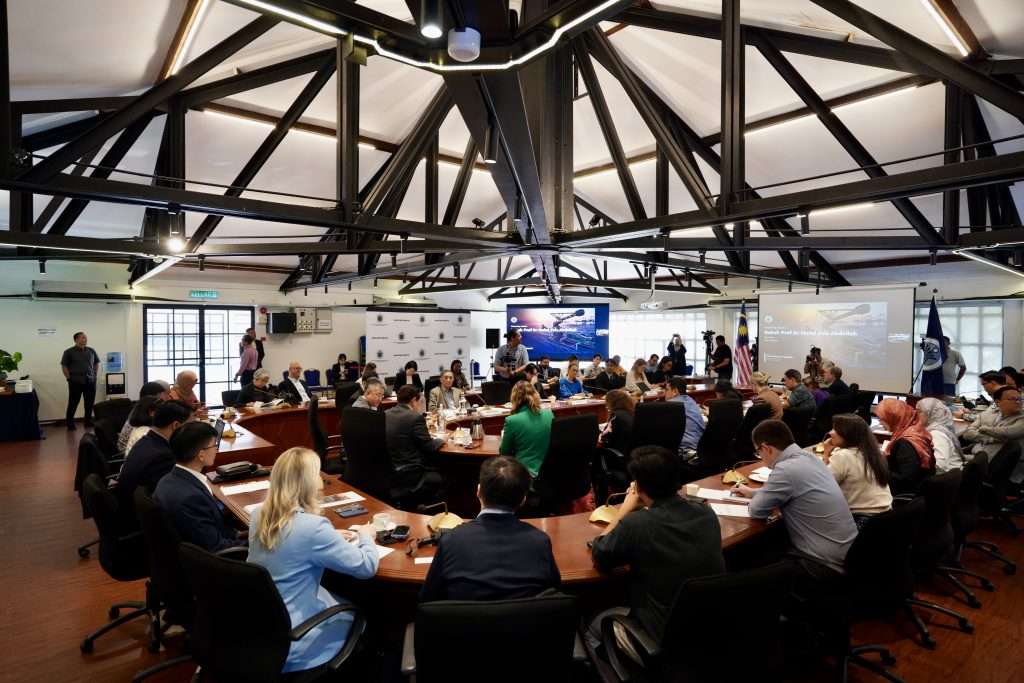
This is my speech delivered at the launch of the “From Mine to Magnet” policy brief by the Institute of Strategic & International Studies (ISIS) Malaysia on Wednesday, 10 December 2025 at ISIS Malaysia.

