
The Social Exchange: Strengthening Malaysia’s Social Finance Ecosystem
The Social Exchange is a great initiative by the Securities Commission Malaysia (SC). It is not just an initiative, but a statement that we are not just thinking about the…

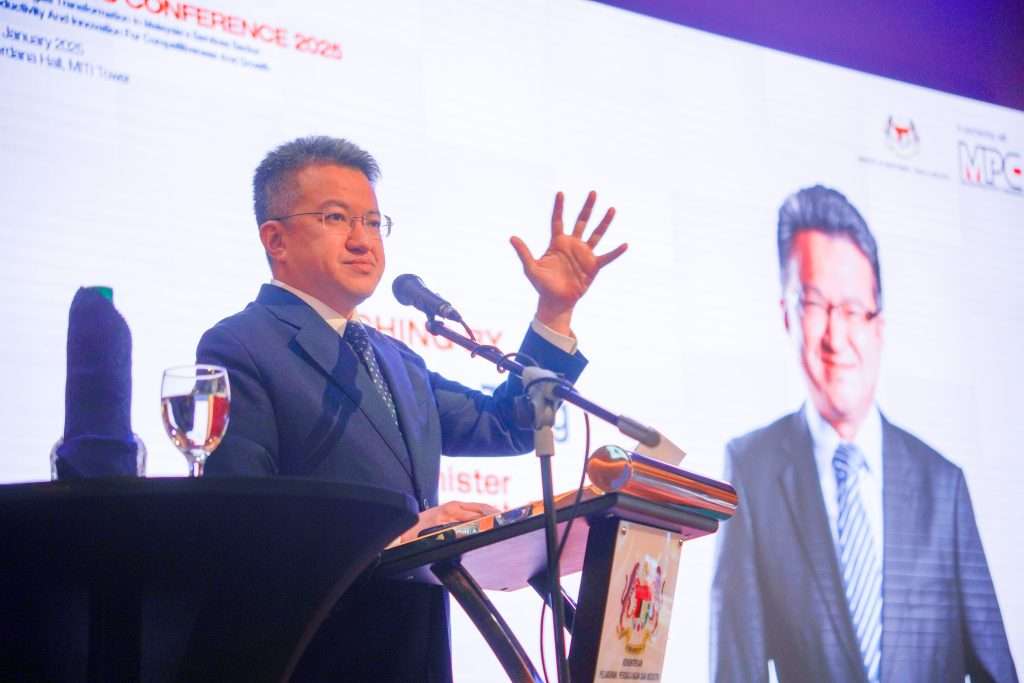
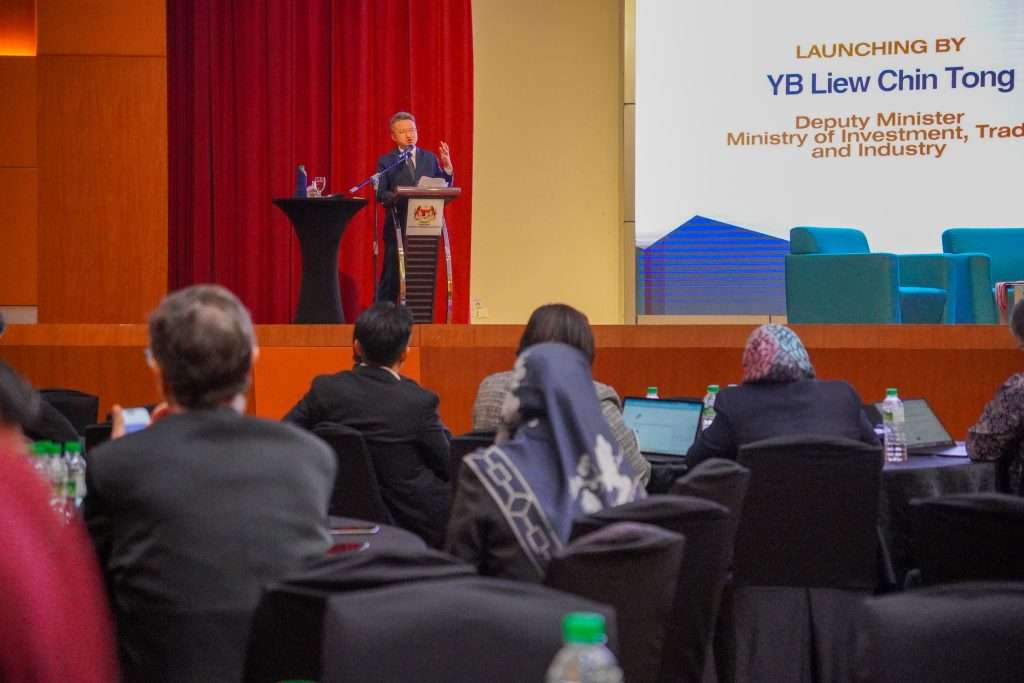
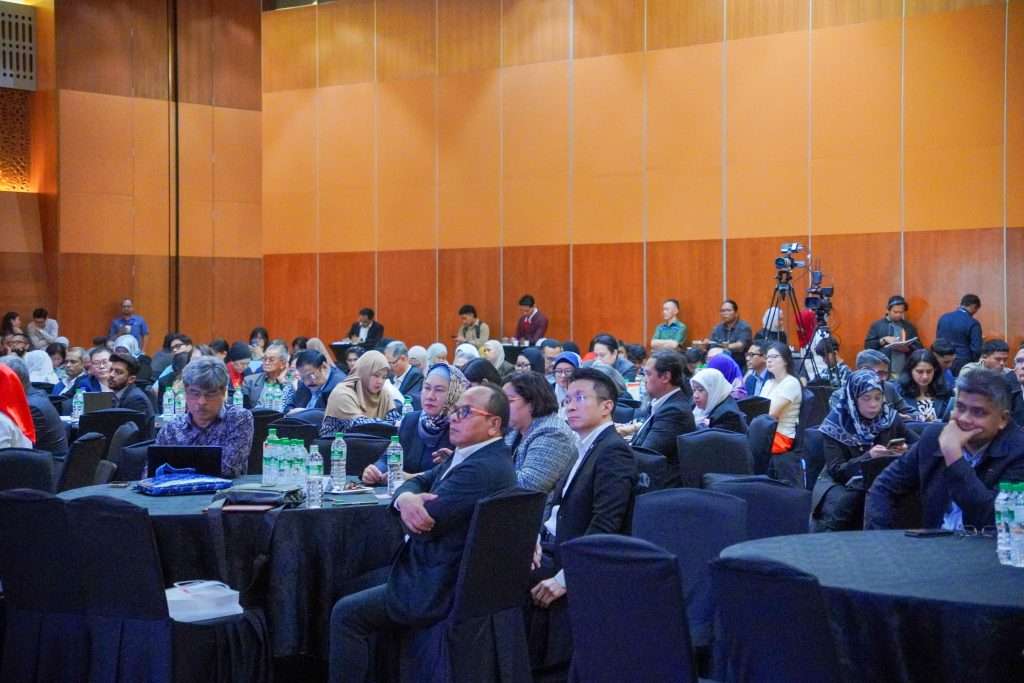
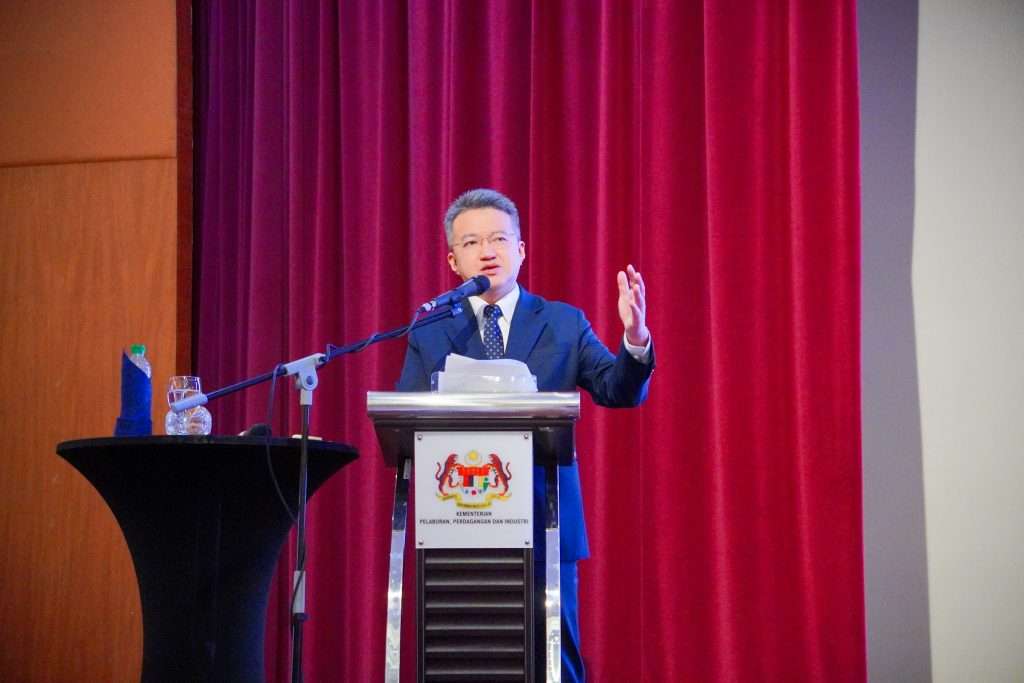
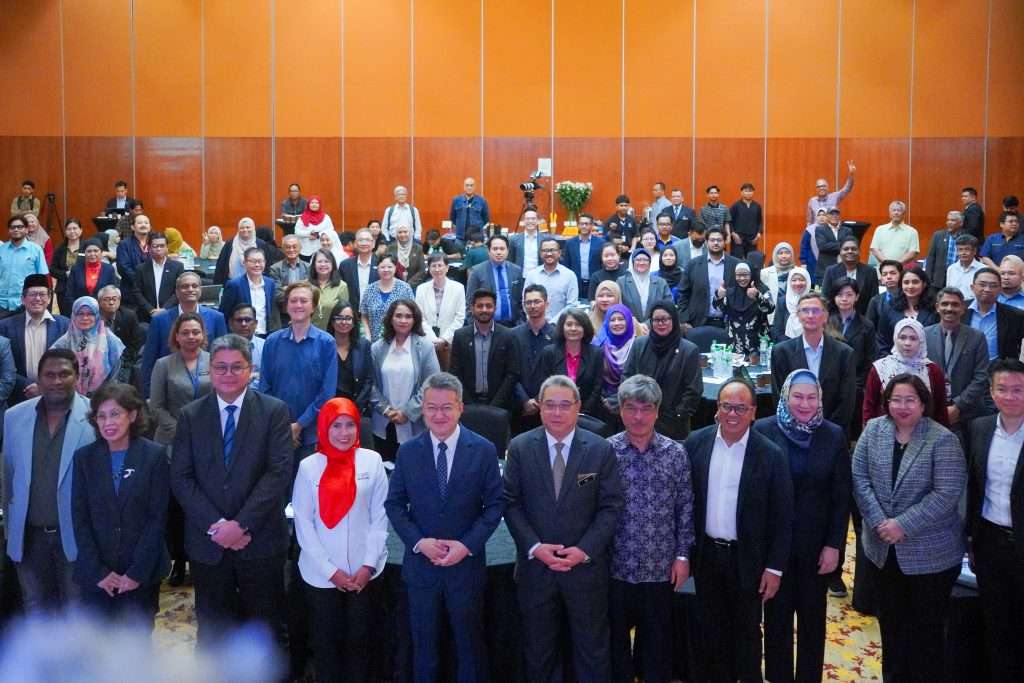
Welcome to MITI and welcome to the Services Conference 2025. I would like to thank the organisers, the speakers from among industry experts and relevant stakeholders, as well as all participants, for making this event possible.
It is my fervent belief that the stars are aligned for Malaysia to create a second economic takeoff. But the resurgence won’t just happen by itself and it won’t be effortless. We will need to put in massive effort to identify the right set of problems and challenges, and overcome them.
One of which is to take a hard look at the services sector.
Services is the largest sector in the economy, and according to the Economic Outlook 2025 published by the Treasury, is estimated to account for 59.4% share of GDP in 2024.
Services employ the largest proportion of workers. Employment in services (% of total employment) (modeled ILO estimate) in Malaysia was reported at 61.87% in 2022, according to the World Bank.
However, the services jobs are mainly in the low- and mid-ends which pay poorly. The services sector median wage was RM2,770 in 2023, according to the Salaries and Wages Survey Report 2023 published by the Department of Statistics Malaysia. In other words, half of those who work in the services sector receive pay less than RM2,770.
While those in formal employment receive low pay, those in the informal services sector such as gig workers hardly have any social protection. The services sector is stuck in a low pay, low skill, low value, and low productivity vicious cycle.
On the one hand, the services sector hires massive numbers of foreign labour, suppressing wages for local workers. On the other hand, as wages are generally low, even for professionals such as nurses, accountants and logisticians, when their skills and professional knowledge are versatile, the outmigration to Singapore and beyond, is in the hundreds of thousands, if not millions.
This vicious cycle has to end if Malaysia were to rise to the next level.
The other set of challenges is showing up in Malaysia’s balance of payment. Three recent trends are worth noting:
First, since the end of Covid-19 lockdowns, continued travel surplus amid recovery of inbound tourism is a good sign though this is weighed by faster growth of outbound travels.
Second, wider deficit of trade-related services especially higher imports of transport and business services in tandem with continued exports growth.
Third, higher digital imports. Larger outflow of digitally-delivered services amid wider internet adoption and digitalisation. Digital imports quarterly annual growth in 2024 average at 12.3%. Digitally-delivered services refer to services that can be ordered and delivered digitally, for example, the purchase of cloud storage facilities or video games.
Therefore, if we think from the point of dealing with the Balance of Payment challenges, we will need to think about what to do with business services, intellectual property (IP) charges and other business services such as R&D, professional and management, technical, transports and others. ICT, insurance and finance, personal and cultural are also areas that will show up in the Balance of Payment.
By now I have outlined two major imperatives on why we must do more together to transform the services sector, namely the vicious cycle of low pay, low skill, low value and low productivity is causing the services sector to stagnate, and inevitably causing a Balance of Payment problem as Malaysia imports more higher-end services with more knowledge and intellectual contents or a higher-level of professional services that are provided by a better human capital pool.
Malaysia has all the endowments to reverse the fate.
First, Malaysians are more often than not perceived overseas as trustworthy and friendly business people. In my engagements with businesses around the globe, the perception of Malaysia and Malaysians are generally positive. We should build a Malaysian brand image of trustworthy and friendliness for Malaysian global service providers to thrive in the export of services. Malaysia’s active neutrality foreign policy positioning is a positive factor here especially for emerging markets.
Second, Malaysia sits at the crossroads of the world’s most important trade routes. Malaysian companies especially those in the logistics sector should go regional and there should be a whole-of-government approach to create Malaysian global champions in services. Transport services continue to be a significant contributor to our trade deficit, reflecting our reliance on foreign shipping and logistics providers to support Malaysia’s export-driven economy is a cause for concern and calls for more effort to transform the scene.
Third, Malaysia should do more to make itself a hub for regional headquarters, tourism, higher education, R&D activities, legal and arbitration services, and finances, especially Islamic finance. Emerging areas such as digital trade, sustainable and green services can be areas Malaysia makes a difference globally. Capitalising Malaysia’s cultural diversity, we need to put in more effort to make Kuala Lumpur and other key cities a regional hub in all its senses.
Fourth, the linkage between services and manufacturing, as well as technology should be firmly established. Malaysia is seeing an upsurge of manufacturing activities in part thanks to relocation of the supply chain. Manufacturing-related services is core to the development of a robust services sector. We must do more to link the two sectors together, and more importantly, connecting manufacturing and services with Malaysian technology. In our effort to supplement “Made in Malaysia” with “Made by Malaysians”, the linkage with the services sector is crucial.
Fifth, as a nation, we need to recognise the capabilities of Malaysians and Malaysian firms. I often hear comments that Malaysia lacks talents. And my reply is that there is no talent problem in Malaysia, there is only a pay problem. We need to recognise that for services to thrive, we must pay more to retain a quality workforce.
The nation as a whole, especially the government, needs to do more to let Malaysian services thrive. For example, what is showing up in the Balance of Payment is that Business Services also contribute significantly to the deficit, attributed to the heavy use of foreign expertise and consultancy in specialised fields. We need to do more to give Malaysian talents a chance to shine in Malaysia so that they could eventually export their services, such as architectural services and engineering services.
We need to make it a national mission to promote Malaysian services and the export of Malaysian services. As I often share with MATRADE officers, Malaysia must not stick to the image of being a fruit and F&B exporter, and nothing else. We must create excellence in Malaysian services and project the export of Malaysian services.
May the Malaysian services sector continue to shine.
This is my opening speech delivered at the Services Conference 2025 on January 20, 2025.

