
The Social Exchange: Strengthening Malaysia’s Social Finance Ecosystem
The Social Exchange is a great initiative by the Securities Commission Malaysia (SC). It is not just an initiative, but a statement that we are not just thinking about the…

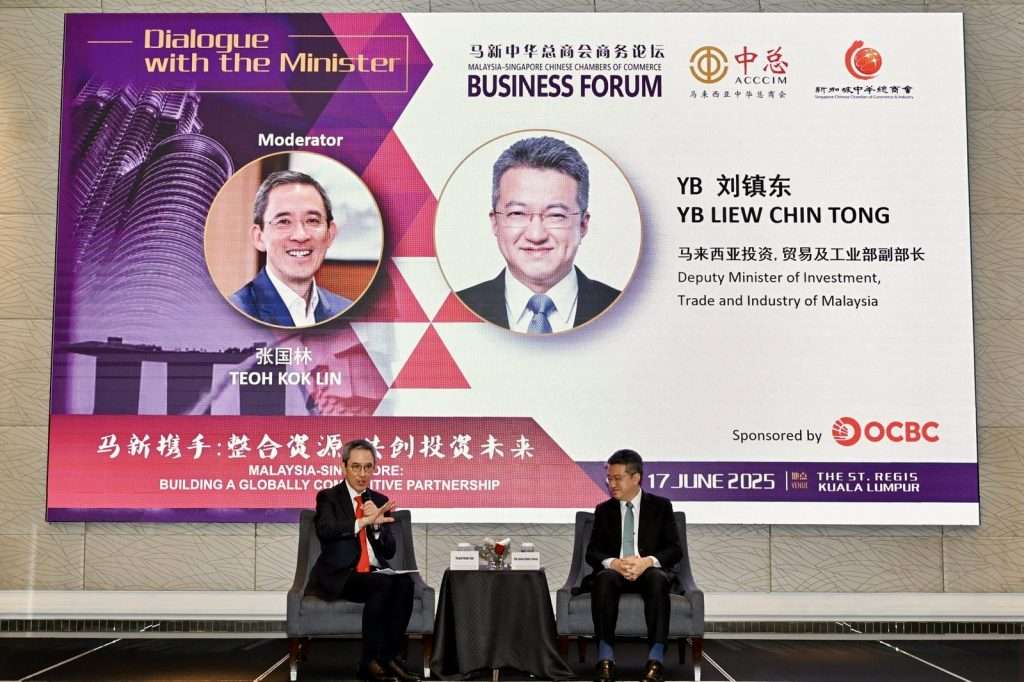
The theme of today’s event, “building a globally competitive partnership”, is both timely and relevant.
We are living in a time of profound and rapid change, change that has outpaced our expectations. In the face of such transformations, we must act decisively, seize emerging opportunities, build resilience, and shape the future together.
Dato’ Seri Anwar Ibrahim’s inaugural visit upon assuming the Prime Minister’s post to Singapore in January 2023 marked a new chapter in bilateral relations. The idea of a Johor-Singapore Special Economic Zone (JS-SEZ) was first proposed then, followed by the signing of a Memorandum of Understanding in January 2024, and a formal agreement in January 2025.
The question before us now is: what do we truly envision for the JS-SEZ? Is it merely a relocation of low-end manufacturing from Singapore to Johor, or can we aim higher to build a globally relevant and consequential economic partnership?
Today, international headlines are dominated by conflicts. There are wars in the Middle East and Europe, and tensions in Asia across the Korean Peninsula, the Taiwan Strait, and the South China Sea.
Amid this volatility, ASEAN nations like Malaysia, Singapore, Indonesia, and Brunei, all grounded in a tradition of non-alignment, have an important role to play. By maintaining a neutral and independent stance, we can collectively act as a stabilising third force with like-minded middle powers.
The global economic landscape has also evolved. Technological advancement has fundamentally changed how we think about manufacturing and industry.
For too long, our thinking has been shaped by these outdated myths:
First, the belief that economies can or should “graduate” from manufacturing to services, as if services are inherently superior.
Second, the assumption that high-end design can be separated from manufacturing, outsourcing the “low end work” to others.
Third, the idea that countries can thrive purely as financial hubs, while production happens elsewhere.
These assumptions have all been debunked. Today, even advanced economies like the United States are rebuilding their manufacturing base, processing rare earths, and reshoring critical production.
In this new reality, materials, minerals and manufacturing matter more than ever. Critical minerals are central to the production of semiconductors, renewable energy technologies, and AI infrastructure.
Moreover, innovation today goes beyond product design. It encompasses new materials such as silicon carbide and gallium nitride, new chip architectures, and emerging fields including artificial intelligence and quantum computing. To support these advancements, we need a robust financial ecosystem, one where regulatory bodies like the Securities Commission are aligned with technological and industrial priorities.
Malaysia and Singapore are uniquely positioned. Few regions in the world possess such a complementary industrial ecosystem. Both countries still maintain manufacturing at over 20 per cent of GDP, a rare strength among semi-advanced economies.
Despite general perceptions, Singapore still has a significant manufacturing base. When combined with Malaysia’s capabilities, the potential is enormous.
We should aspire to build our own ecosystem — a mini Samsung, Huawei, or TSMC — born out of a Malaysia–Singapore partnership. Together, we can serve as a mini Korea in the global supply chain, adding value far beyond our geographic size.
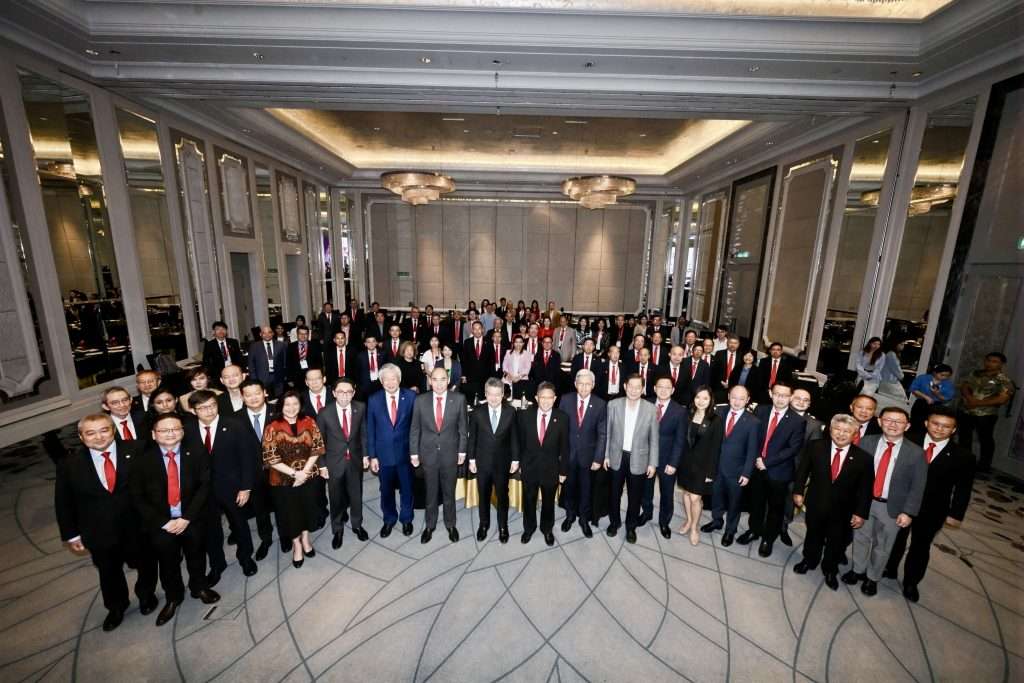
In this spirit, I commend the organisers, the Associated Chinese Chambers of Commerce and Industry of Malaysia (ACCCIM) and the Singapore Chinese Chamber of Commerce and Industry (SCCCI), for bringing Malaysia and Singapore closer together. We must build on this momentum and do more, together.
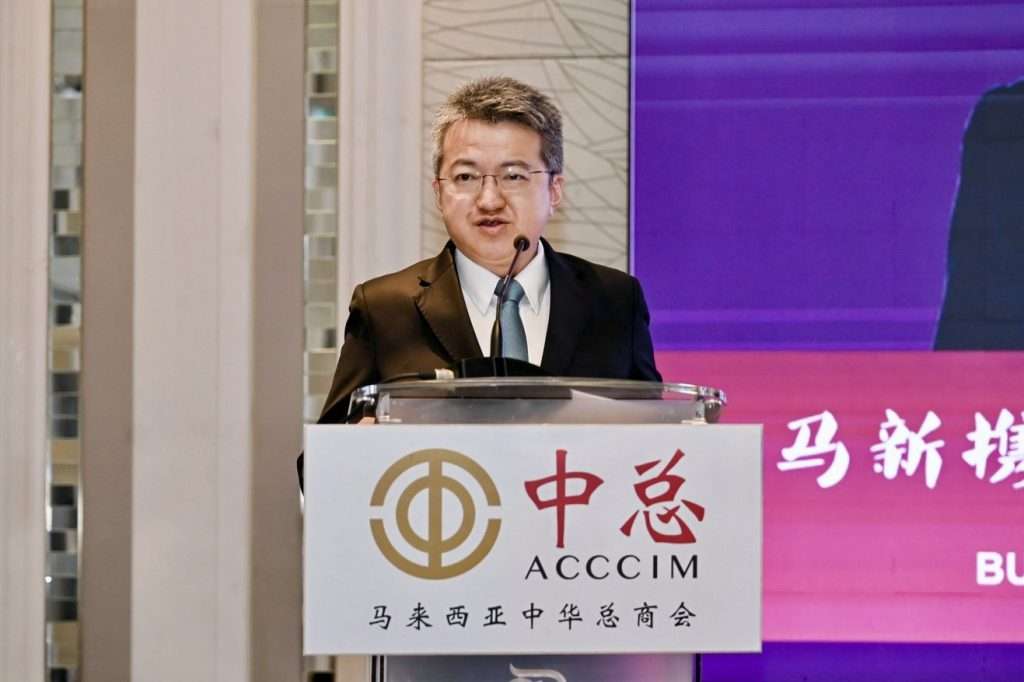
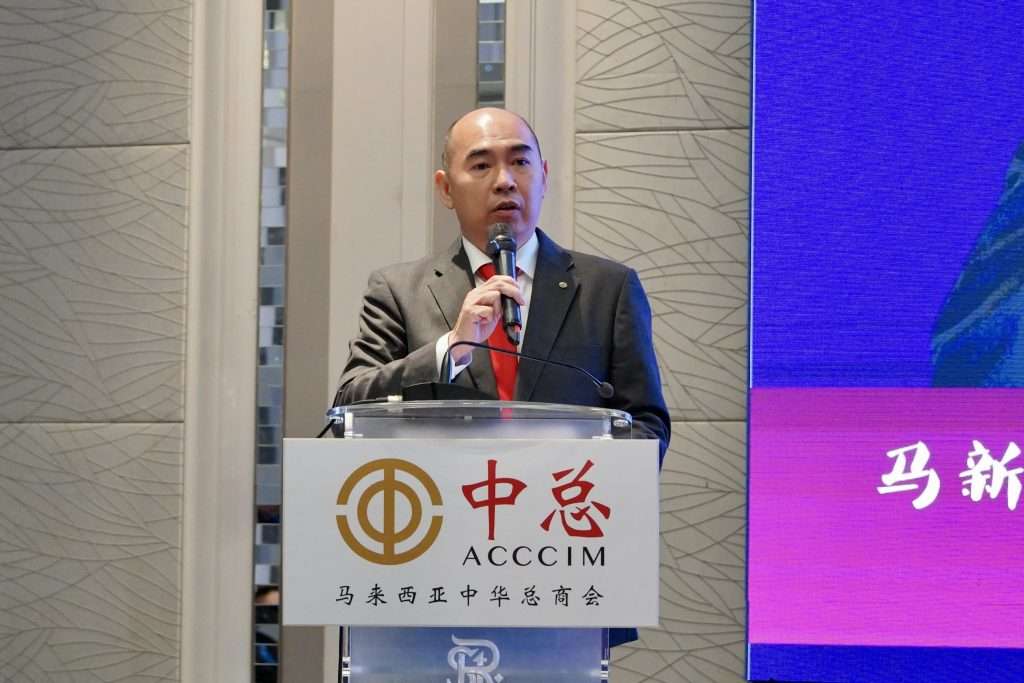
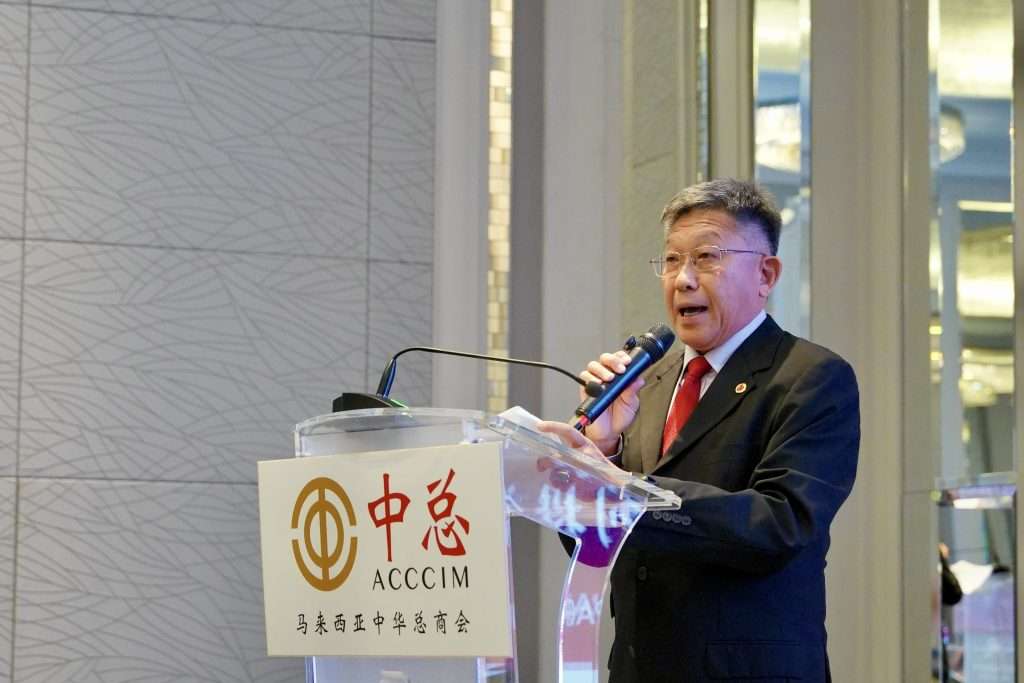
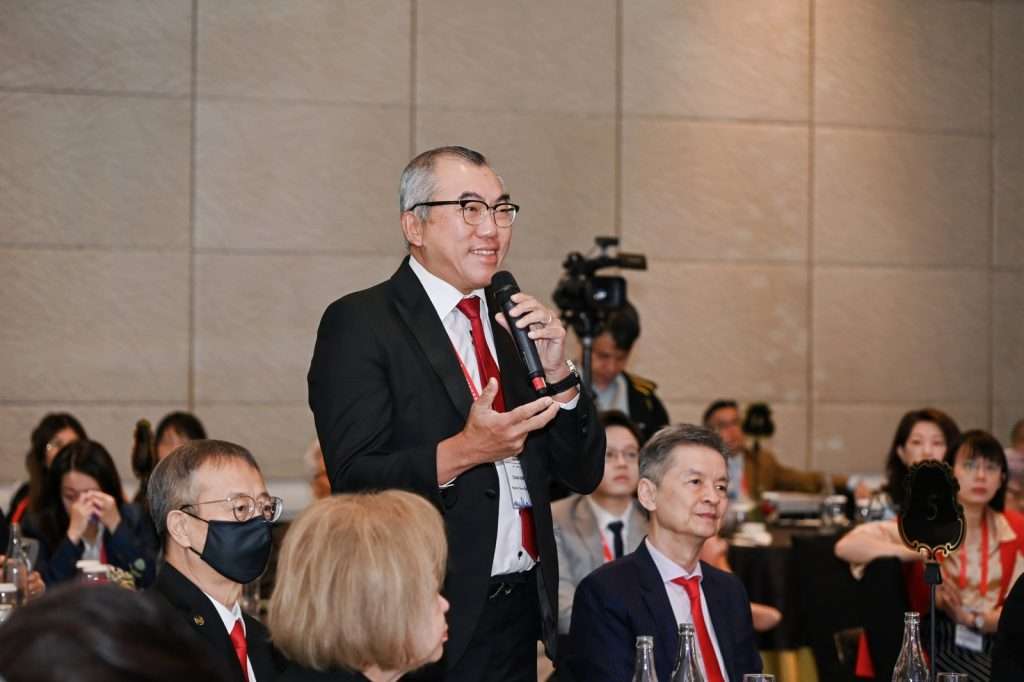
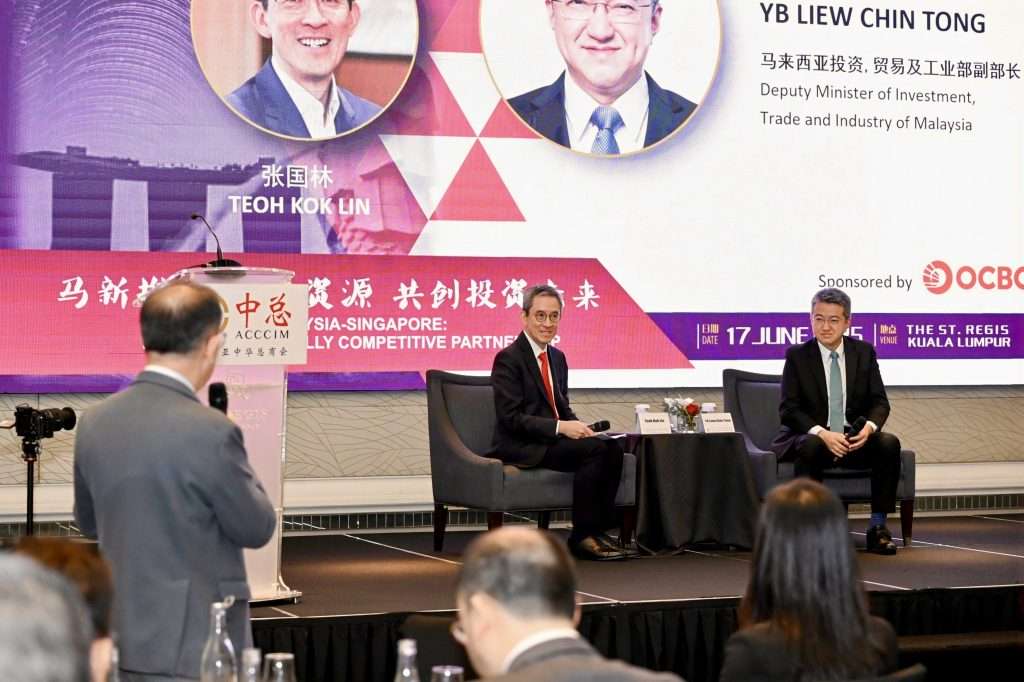
This is my opening remarks delivered at the Malaysia-Singapore Chinese Chambers of Commerce Business Forum, held on 17 June 2025 at The St. Regis Kuala Lumpur.

