
The Social Exchange: Strengthening Malaysia’s Social Finance Ecosystem
The Social Exchange is a great initiative by the Securities Commission Malaysia (SC). It is not just an initiative, but a statement that we are not just thinking about the…

Whether serving at the Ministry of Investment, Trade and Industry (MITI) or at the Ministry of Finance, my main overarching concerns are:
After two stints in government, namely at the Defence Ministry (2018-2020) and MITI (2022 until recently) – both having their offices in Kuala Lumpur – I finally “arrived” in Putrajaya. During the cabinet reshuffle on 16 December, I was appointed by Prime Minister Dato’ Seri Anwar Ibrahim as Deputy Finance Minister.
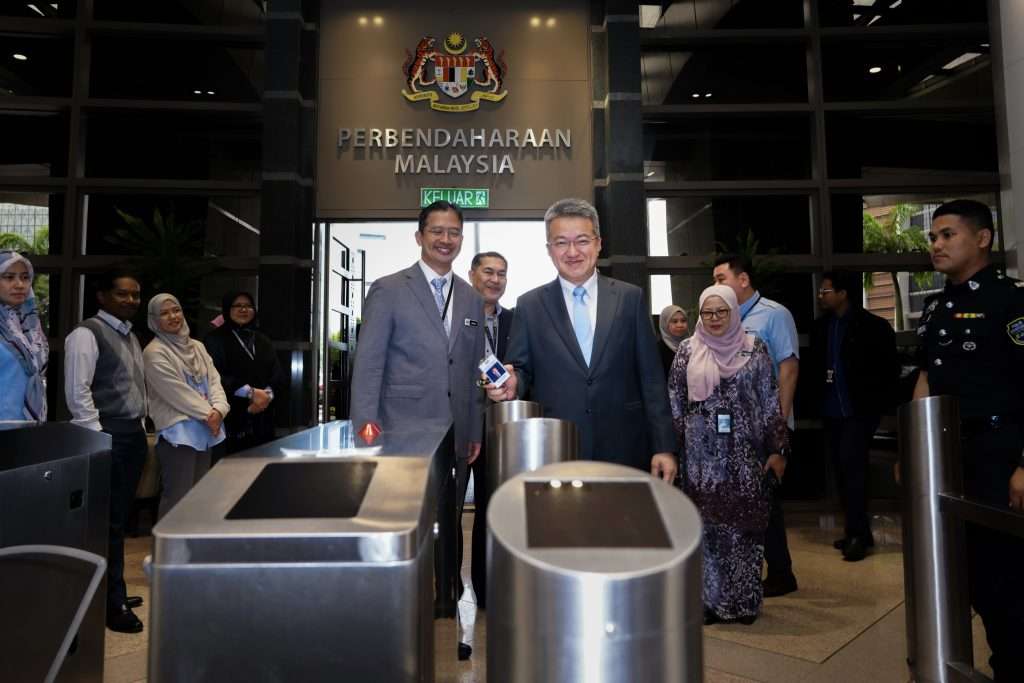
At MITI, our essential roles are to serve as Malaysia’s economic diplomats, and to shape the industries by attracting investments and regulating them. At the Treasury, I now have a steep learning curve to understand taxation, fiscal situations, monetary policy, and the overall economic development governance concerns.
As the year of 2025 closes, I would like to share the ideas and actions I developed at MITI throughout this year, and hopefully to carry forward some of these in my new portfolio.
The idea of geoeconomics
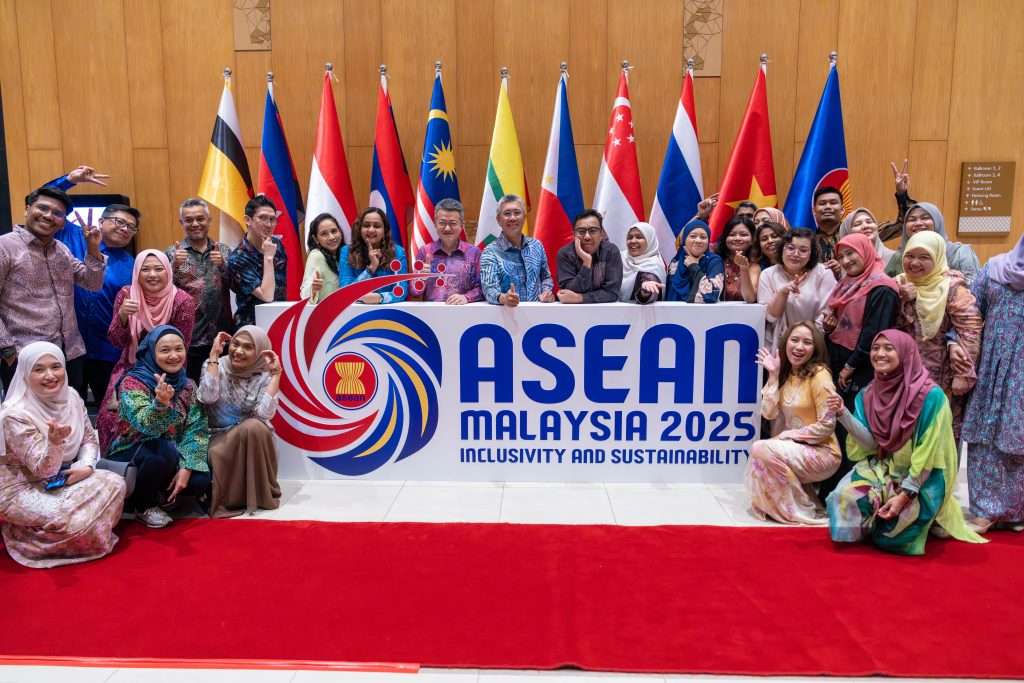
After President Donald Trump announced the “Liberation Day” reciprocal tariffs on 2 April, Malaysia established the National Geoeconomics Command Centre (NGCC), and I co-chaired the ASEAN Geoeconomic Task Force with Indonesia’s Vice Minister of Trade Ibu Dyah Roro Esti Widya Putri and Director General of International Trade Negotiations at the Ministry of Trade Pak Djatmiko Bris Witjaksono. I would like to make a special mention to the former Trade Minister of Indonesia Ibu Mari Pangestu, Bank Negara Malaysia Assistant Governor Fraziali Ismail, and former Secretary-General of MITI Tan Sri Rebecca Sta Maria who were the lead experts (You may read the full report here: https://www.kemendag.go.id/publikasi/asean-geoeconomics-report-2025). In November, we also engaged our colleagues in the Philippines as the next ASEAN Chair to continue the work of the Task Force.
I am glad to be able to play a small role in giving the word “geoeconomics” prominence. Many leaders still believed in an old neoliberal economic framework with unchecked globalisation, despite global changes. The world is going to see more of the intertwining of geopolitics and economics with inequality and supply chain vulnerabilities as major concerns, and there is now a consensus that market forces alone are insufficient to shape desirable social, climate and security outcomes.
When we look back a decade or two later, we are likely going to conclude that 2025 was a consequential year, at least as important as 2001 when the September 11 incident shaped the global security agenda and China’s entry into the World Trade Organisation defined the trade landscape for the next 20 years.
Our report titled “This Time It Is Different: ASEAN’s Agency in Shaping The New Global Agenda” sums up our diagnosis, that the world is now in a fundamentally different era, and our ambition that ASEAN has agency to shape the global agenda. ASEAN is not a mere bystander but an active participant.
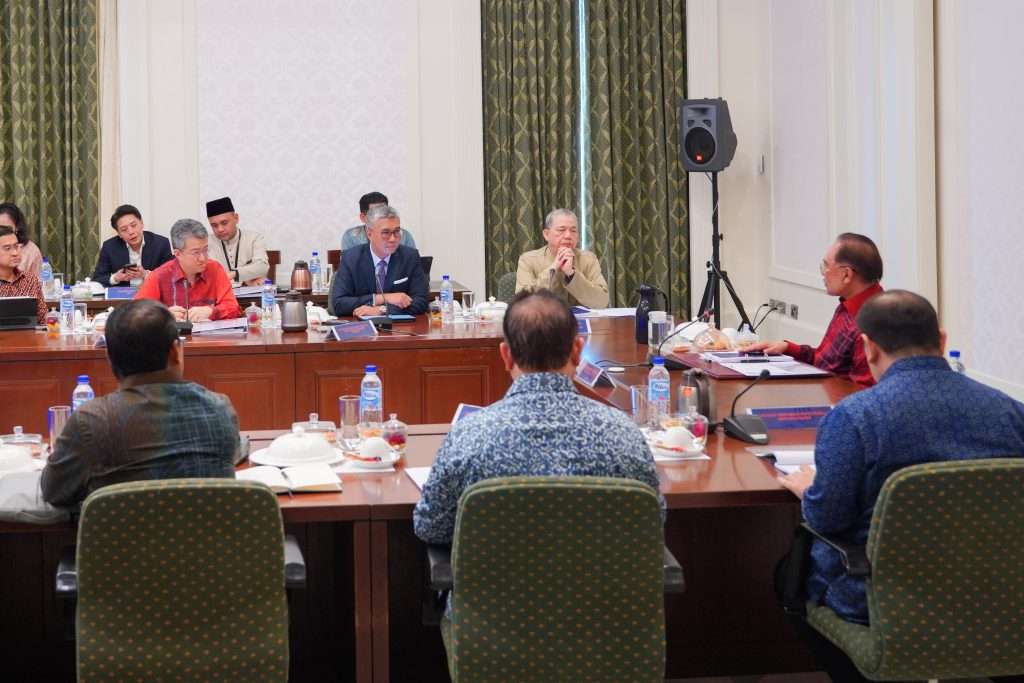
At the many ASEAN meetings hosted by Malaysia in 2025 and chaired by either the Prime Minister or MITI Minister Tengku Zafrul Aziz, which I was privileged to attend, what pushed us to go the extra mile is this belief that ASEAN must come together to do more in this chaotic world which is seeing old orders fraying while new structures have yet to firm up. It is a crisis that comes with many opportunities if we can seize the initiative.
I was particularly touched when Timor Leste joined ASEAN. This only happened because of our Prime Minister’s relentless push. I later found out that Anwar, together with the late former ASEAN Secretary-General Surin Pitsuwan and their peers, were involved three decades ago in convincing Vietnam to join ASEAN. Southeast Asia, which was divided as British, French, Dutch, Spanish, American and Portuguese colonies, is now united under ASEAN as a community of nations with free will.
The resilience agenda
In the neoliberal era, there was a pursuit of cut-throat competition, unbridled free trade, efficiency and the cheapest sources of input, and all these usually meant a race to the bottom.
To deal with the myriad problems at hand, the world needs a resilience agenda. We must ensure that workers and small businesses are protected so that the society as a whole is cohesive, intact and united.
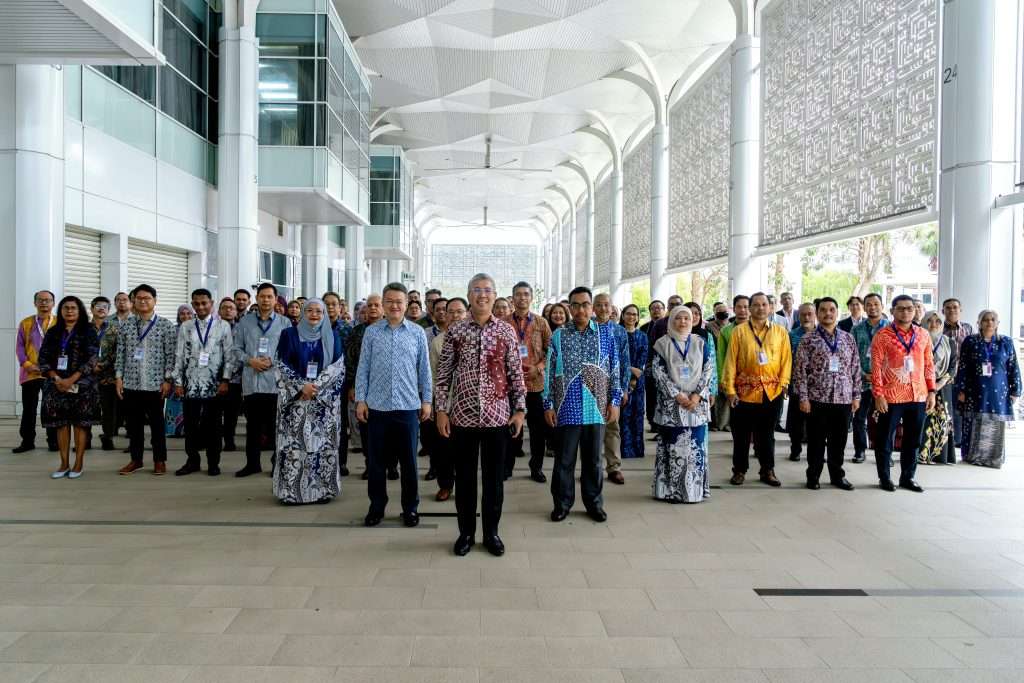
On behalf of the MITI Minister, I tabled in Parliament the Countervailing and Anti-dumping Duties Act’s amendments, the first since 1998, which will strengthen the protection for Malaysian manufacturers in the face of the influx of foreign goods.
Since the end of the Second World War, Asia has prospered through export-led industrialisation strategy, starting from Japan, the four dragons (South Korea, Taiwan, Hong Kong, Singapore), the four tiger cubs (Malaysia, Thailand, Indonesia, the Philippines), later Vietnam, and then China. The primary assumption is that the United States will always remain as the consumer of the first and last resort.
However this story is ending. The United States is putting a “toll rate” (tariffs) on foreign imports. In the short run, all exporting countries will have no choice but to acquiesce to the US demands, hence the trade deals with the United States, including Malaysia’s Agreement on Reciprocal Trade.
For now, all exporting nations will need to ensure that the manufacturing capacity that was meant for the US market would not crash each other’s market and resulting in cut-throat price wars, involution, and deindustrialisation of fellow Asian economies.
To prevent this from happening, China and all other Asian economies will have to open up for candid conversations about managing or even curtailing manufacturing capacity at home and offering voluntary export restraints.
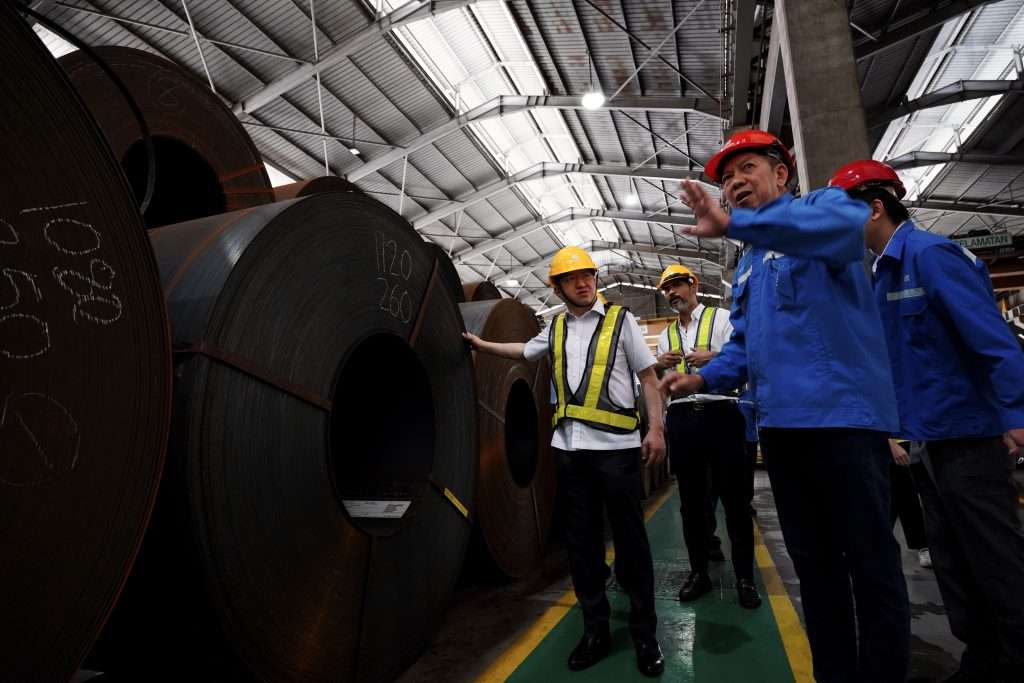
In MITI’s work on the steel industry, the Government has put in place a moratorium on new steel plants until existing capacity reaches 80% utilisation. This is a significant step away from the old practice of accepting any new investments as they were being proposed. The Independent Committee on the Iron and Steel Industry (ISC), appointed by Tengku Zafrul and chaired by Datuk Omar Siddiq, identified that the utilisation rates of electric arc furnaces and blast furnaces capacity are less than 40% and 60% respectively, far below the optimum utilisation for financial sustainability. I am delighted that the ISC report is finally adapted into a Steel Industry Roadmap, launched by Tengku Zafrul in September.
Also a first, MITI, through the cooperation with the Southeast Asia Iron and Steel Institute and its Secretary-General Yeoh Wee Jin, conducted a frank conversation with the China Iron and Steel Association, the semi-regulatory body. Among other things, the Chinese officials explained to the ASEAN counterparts how steelmaking capacity from low quality induction furnaces were eliminated in 2016 and 2017 while ASEAN members shared with them that some of these eliminated Chinese steel mills ended up setting up shop in ASEAN, causing havoc to legitimate and rule-abiding China producers (as these China renegades in Southeast Asia export back to China) and of course harming other markets, too.
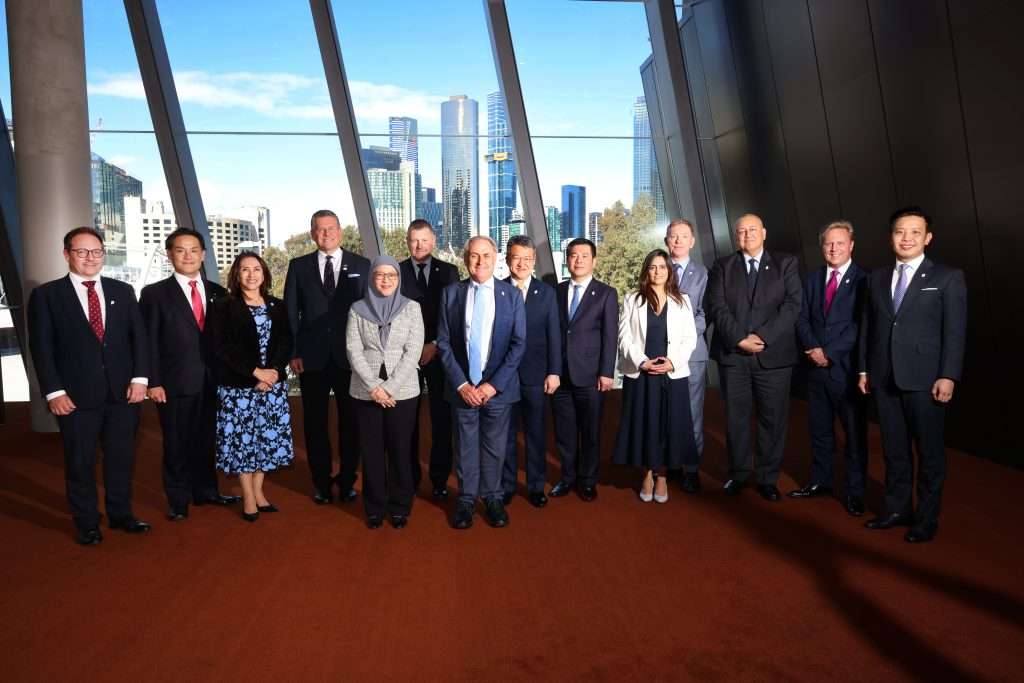
Interestingly, ASEAN trade officials meet very often but industry regulators hardly talk to each other. I am honoured to have convened a meeting of ASEAN officers responsible for the steel industry and we learnt so much from each other. Ultimately Asian economies will have to boost domestic demand by ensuring that citizens in these Asian manufacturing giants feel secure enough to spend and consume.
This circles back to my earlier concern about how to make Gen Z across Asia feel secure and rich enough to spend and consume in their domestic market so that Asian economies do not need to rely on the United States market as the consumer of the last resort. We seriously have to look into this to prevent possible Gen Z protests. And, of course, we have to ensure that the rest of the Asian society feel economically secure to consume while they are in their middle ages with a potentially unfunded and precarious old age staring at them.
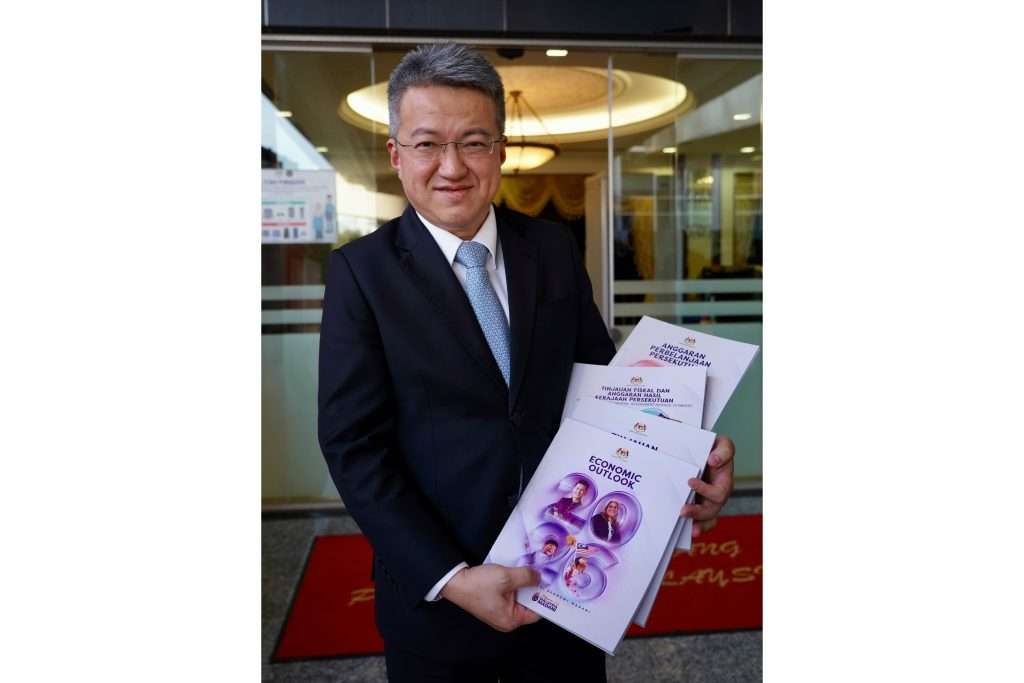
The other parts of the resilience agenda for Malaysia and ASEAN is to ask our supply chains very tough questions: if another pandemic happens, what do we do? Interestingly, I found fellow ministers at the Comprehensive and Progressive Agreement for the Trans-Pacific Partnership (CPTPP) and Future of Investment and Trade (FIT) Partnership – both supposedly very “free trade” type of organisations, are now adding supply chain resilience to their agenda, albeit taking baby steps, such as establishing emergency supply hotlines and paying more attention to food security.
Malaysia as a technology nation and Malaysian companies as multinationals
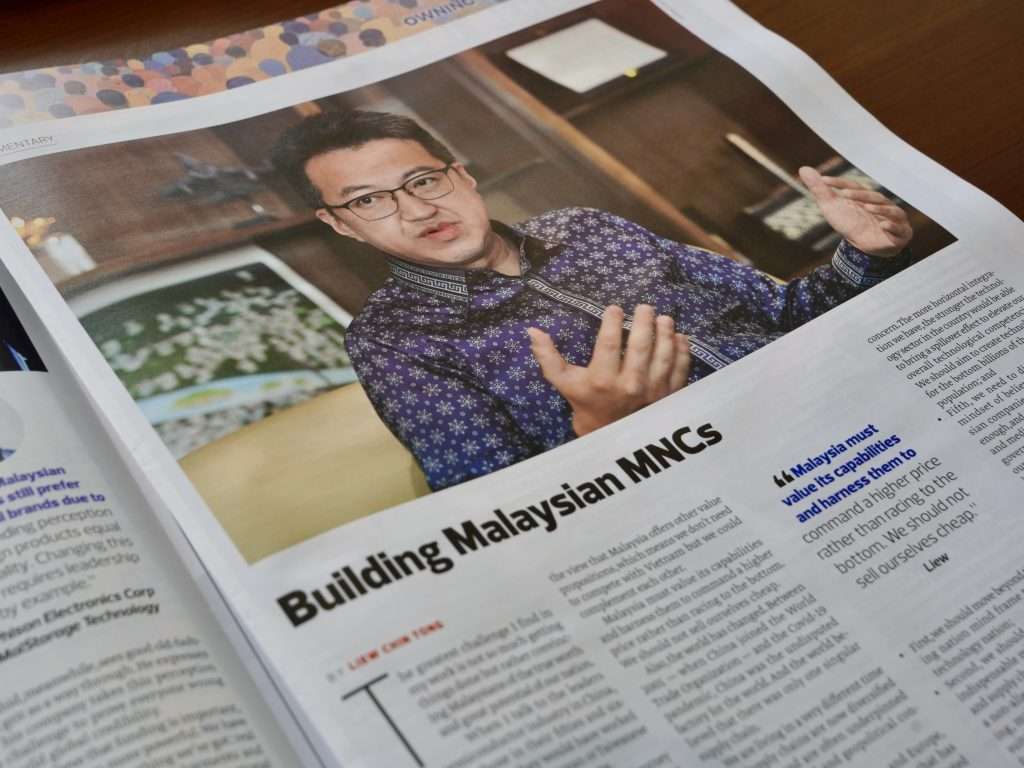
A lot of my time was also spent on trying to move the needle for Malaysian technology and Malaysian technology companies.
There are people in the government and across Malaysian society who think that Malaysian technology is backward, or worse, Malaysia has no technology at all. They believe the only way out is to keep on buying foreign technology and hoping for more foreign investors to bring in technology.
This is not exactly true. While we are not at the top, Malaysia is the indispensable middle in the global technology landscape. Our companies do quite a lot in the middle, and some of them do it exceptionally well.
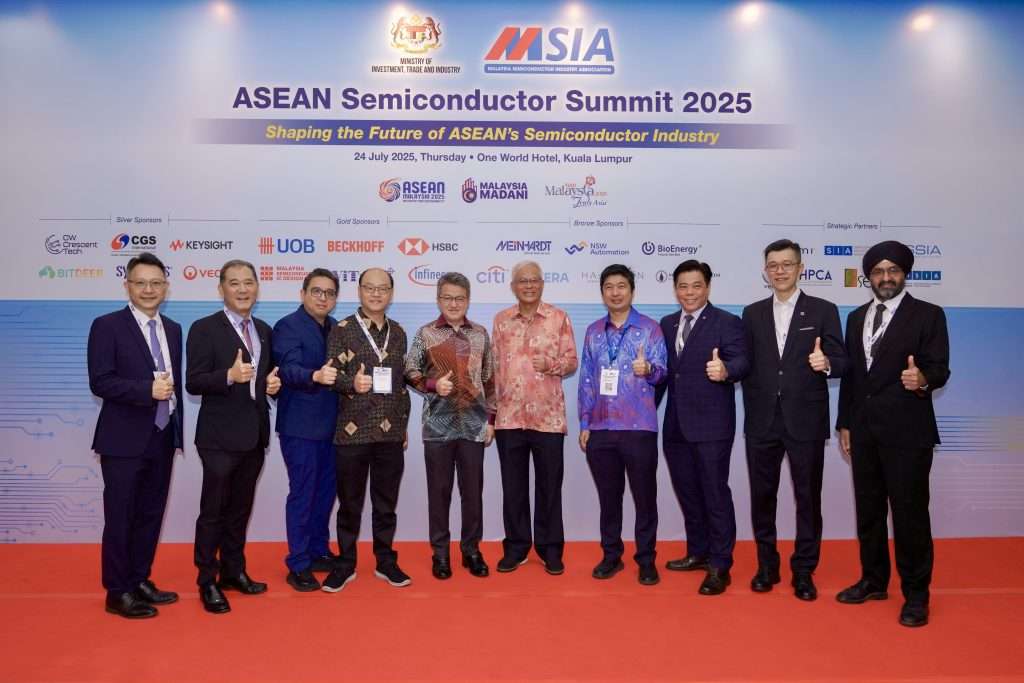
It is time for us to see Malaysia not just as a trading country but a technology nation, at least as a middle tech nation, and accept that Malaysian companies are not just SMEs to supply to foreign investors in Malaysia but as potential regional and even global players in their own rights. We must do more to grow Malaysian technology multinationals, and never be seen as favouring foreign multinationals over Malaysian giants and potential champions.
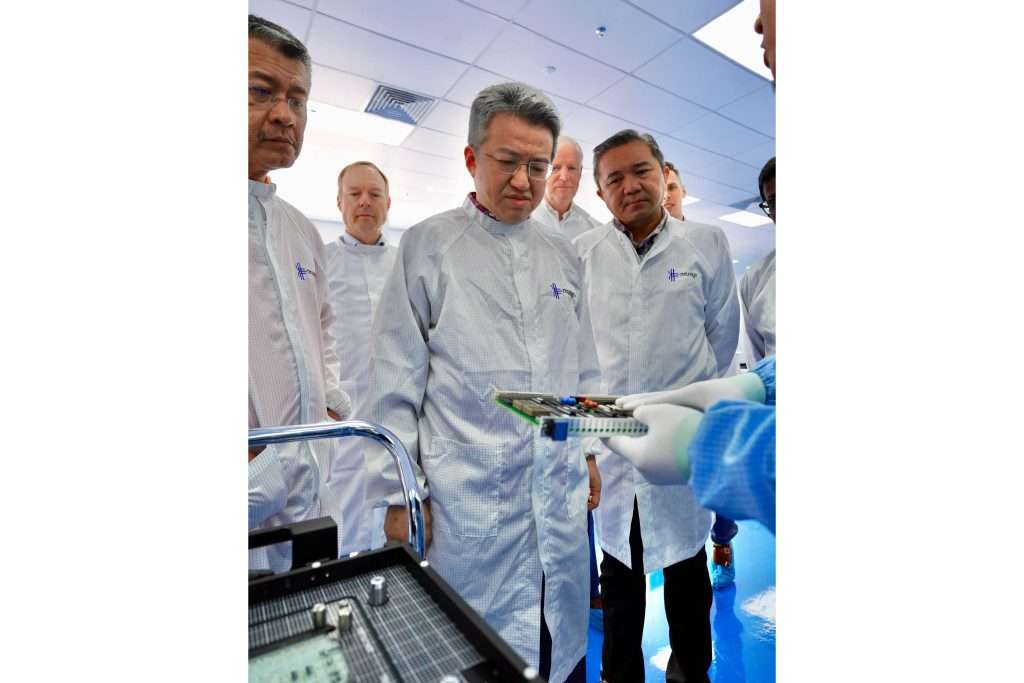
What we need to do is to connect the dots. There is a need for more attention on the semiconductor industry in Malaysia, to move them higher in technology and innovation, which is currently being done through the ongoing MITI-Khazanah cooperation on the National Semiconductor Strategy.
At the same time, the capabilities from the semiconductor industry, especially its auxiliary sector, the Advanced Automation Equipment sector, which the National Investment Committee chaired by our Prime Minister now recognise as a sub-sector to give more attention to, should be horizontally integrated with other sectors such as automotive, defence industry, agriculture, and medical devices, among others.
To this end, Tengku Zafrul established and chaired the Council of Automotive Eminent Persons to bring together key stakeholders in the automotive sector to rethink the overall strategies. Malaysia’s automotive policy over the last four decades was anchored on building Malaysian capabilities to export the whole car.
But there are three major challenges globally and especially in Southeast Asia over the past three years:
And as Chinese carmakers engage in price wars, cutting prices several times a year, used car value collapses in neighbouring ASEAN countries, impacting bank loans and resulting in fewer banks ready to provide hire purchase loans.
Malaysia has not been overly affected as yet but a whole-of-government rethinking of the automotive industry is needed. With horizontal linkages, Malaysia should aspire to be a significant component maker, exporter and innovator, especially for automotive components with semiconductor content.
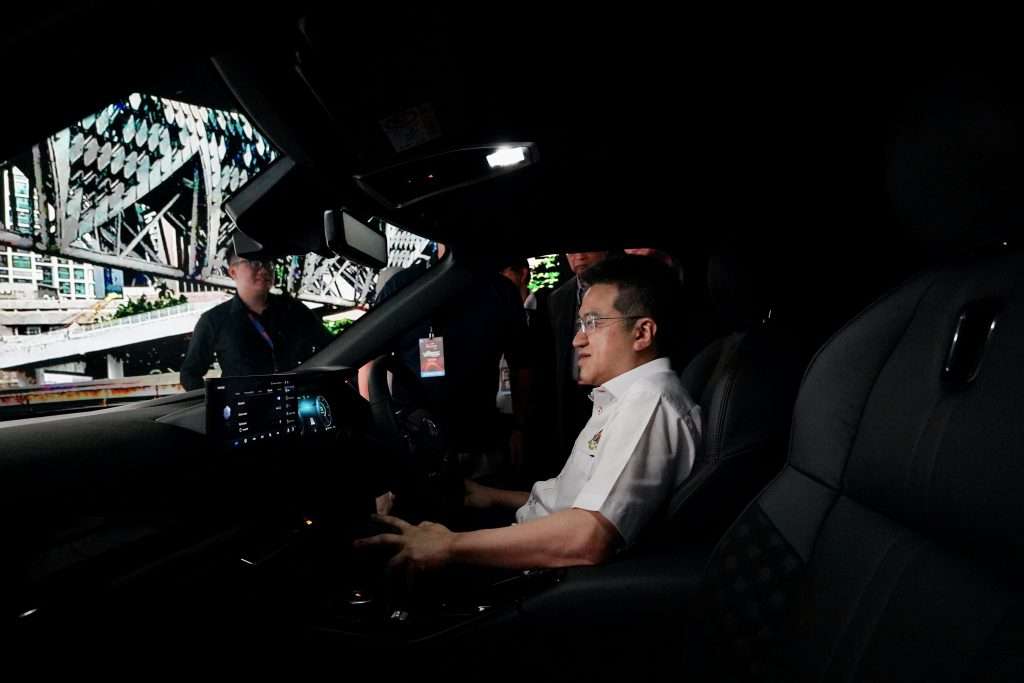
Malaysia should also encourage all forms of energy efficient vehicles, not just Battery Electric Vehicles (BEVs), thus giving a breathing space for Malaysian supply chains to transition from ICE to EV. More efforts are needed to encourage the public to buy newer and more energy efficient cars to replace aged vehicles that are guzzlers. In Budget 2026, there is a pilot initiative of providing up to RM4,000 as matching grants for those who own cars above 20 years old to buy new Proton or Perodua cars.
In June, I joined Deputy Prime Minister II Datuk Amar Fadillah Yusof to visit the 2025 Osaka World Expo. We are very proud of the Malaysian export of services and we should do more to facilitate the export of Malaysian construction, architecture, digital technology, and other services, both in the context of the 2030 World Expo in Riyadh and beyond.
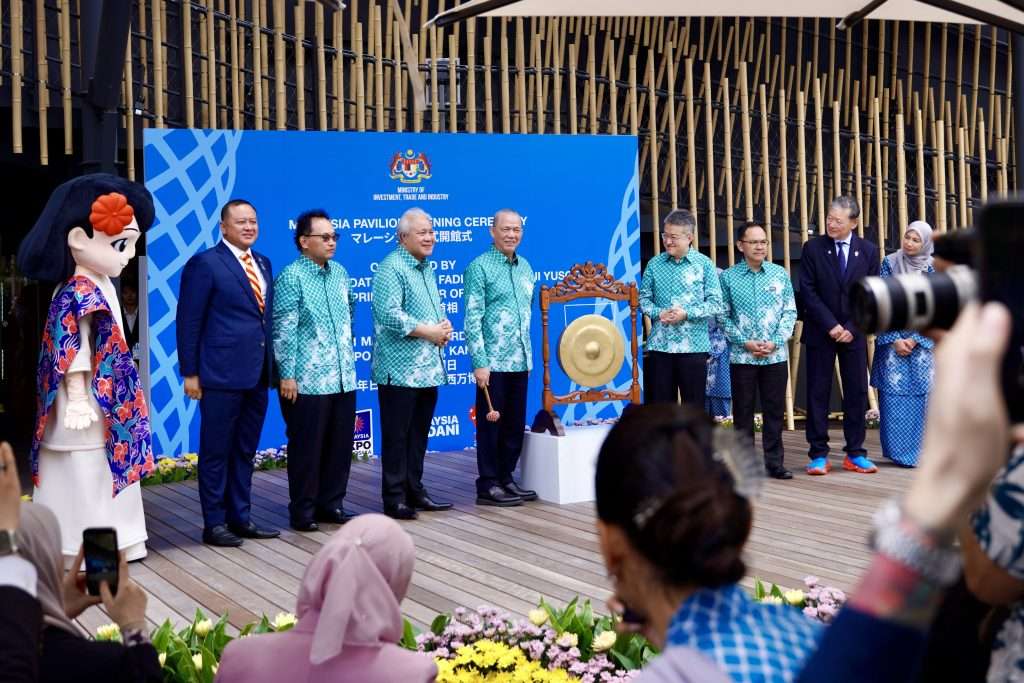
Again, we, the modest Malaysians, should come forward proudly to celebrate the capabilities of Malaysian professionals and Malaysian multinationals in the services sector and grow them even more.
Grateful for 2025 and hopeful for 2026
I wish to thank the officers at MITI who have facilitated me so well in the last three years, especially my office staffers Addie Nooramirzan bin Zainodin, Rossila binti Ab Wahab and Ab Rahman Makmor Bakry who did not follow me to my new ministry.
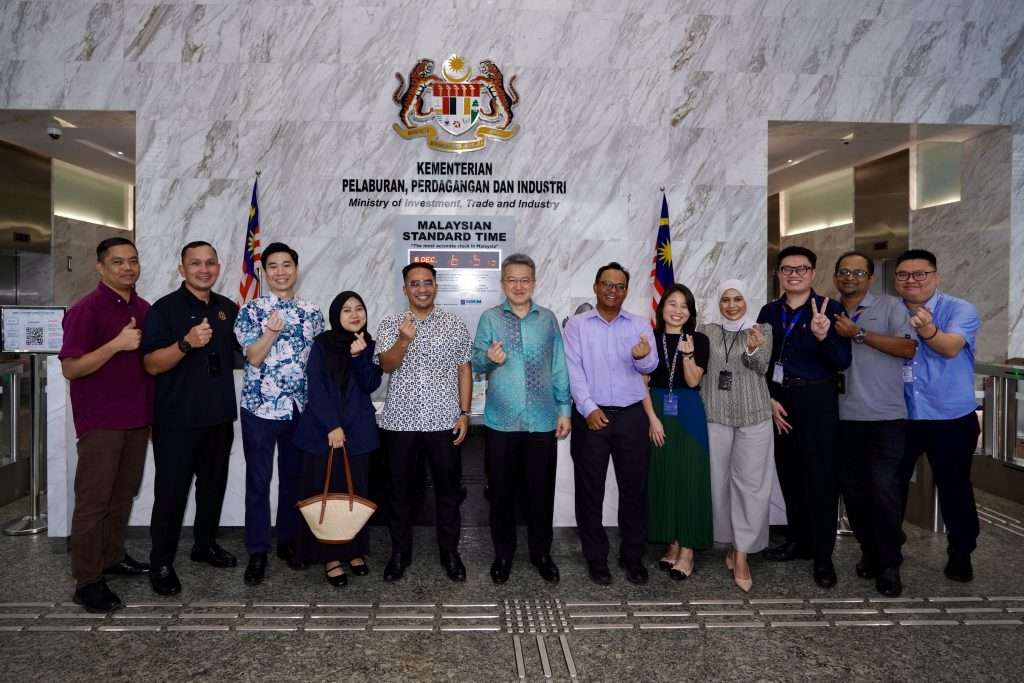
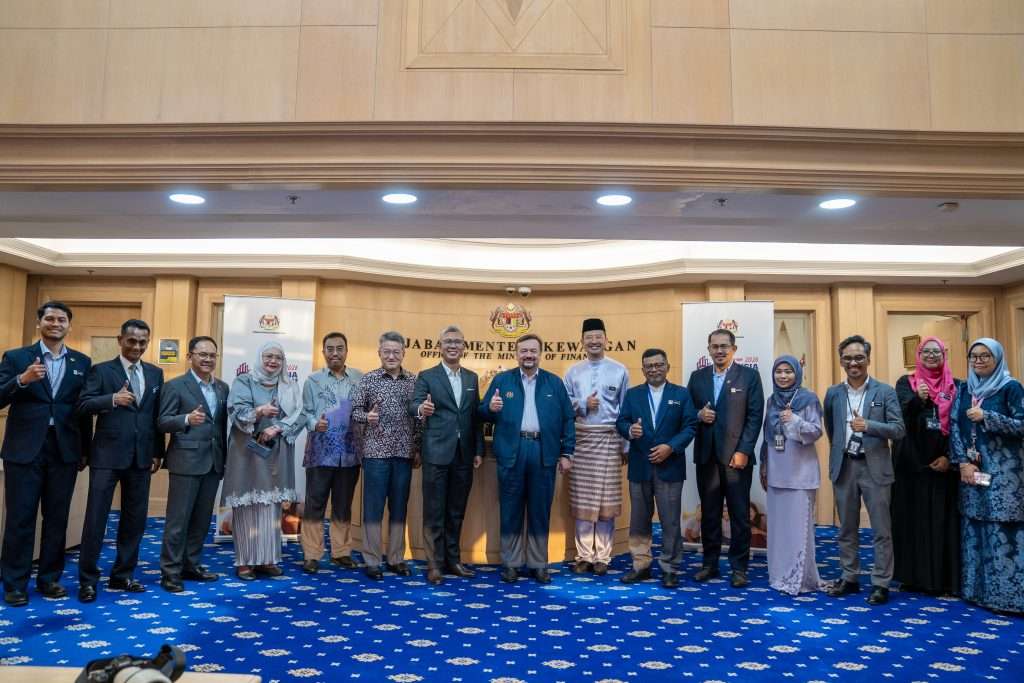
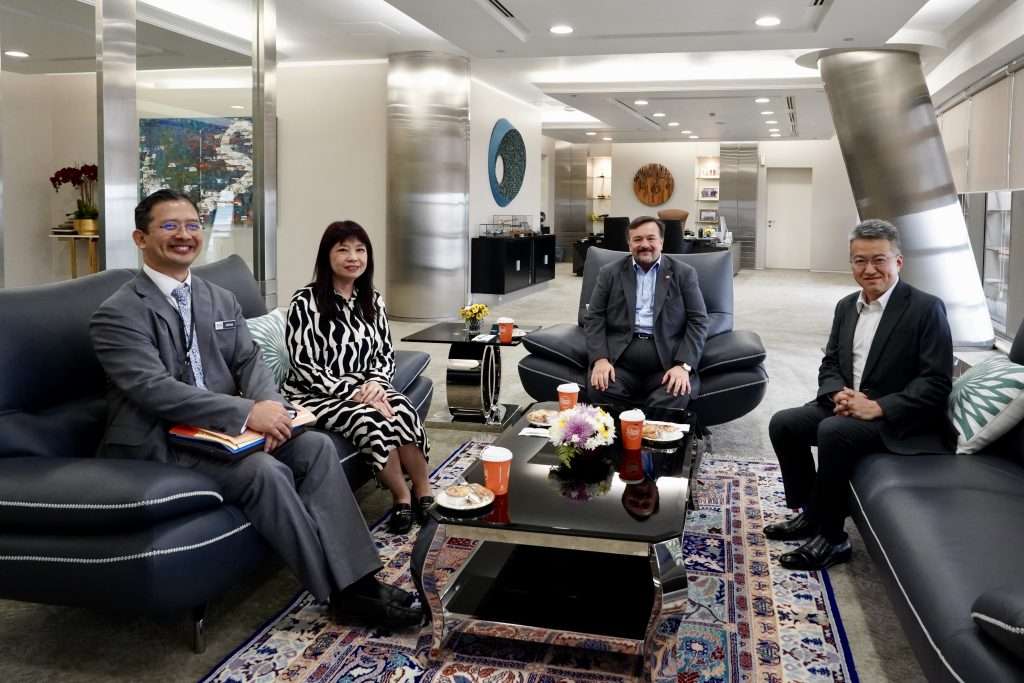
Working with Tengku Zafrul was a joy. I look forward to working closely with the Finance Minister, who is also the Prime Minister, and Finance Minister II Datuk Seri Amir Hamzah Azizan, as well as the dedicated officers at the Treasury.
In 2025, the world has witnessed the once-in-generation or even the greatest change since the end of the Second World War in 1945. Malaysia can be proud of what we have achieved together to weather the storm. We should also convince ourselves that we need to build a strong understanding of geoeconomics for our nation’s survival, we need the resilience agenda to be the overarching framework, and it’s time that we build Malaysian technology and Malaysian multinationals for the world.
In short, it is time for Malaysian nationalism to ensure a secure, resilient, and prosperous Malaysia in time of global transition from the old to new order.
Happy New Year 2026!

