
The Social Exchange: Strengthening Malaysia’s Social Finance Ecosystem
The Social Exchange is a great initiative by the Securities Commission Malaysia (SC). It is not just an initiative, but a statement that we are not just thinking about the…

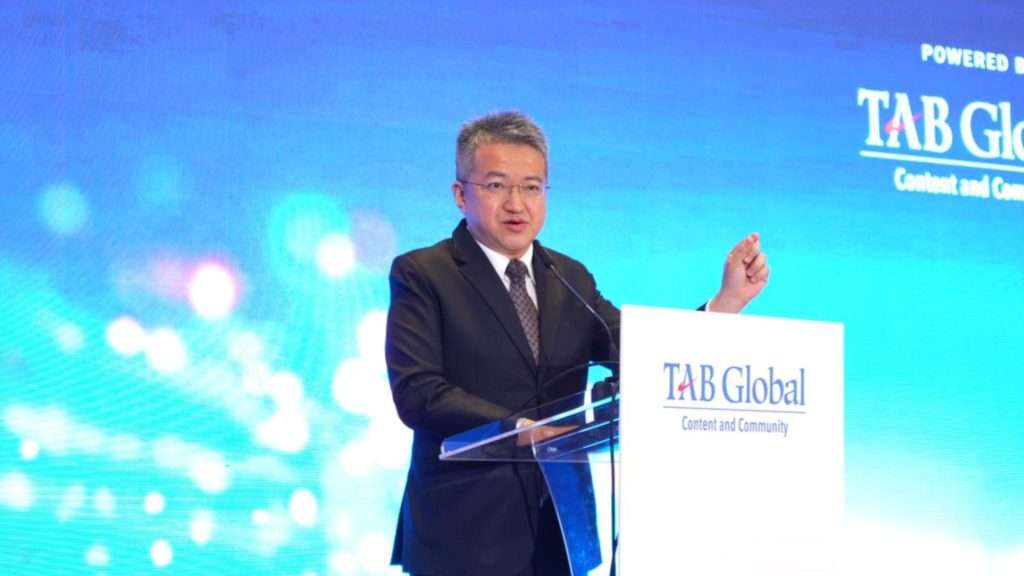
I would like to give this presentation a title. I call this “The 2020s: Shaping the New Global Order From Asia”. We are now more than halfway past the current decade and this decade has shown to us that it is different from the preceding decades. We are potentially seeing a once-in-80-years realignment in the global order.
Bankers may be used to chaos and crisis but what we are facing now could be more than what we are prepared for.
There are at least five forces influencing what we are seeing today.
First, a changing world order
Since the end of the Second World War, especially after the fall of the Berlin Wall in 1989, the world has been sustained by a US-led global order. This global order is sustained by the US Dollar’s undisputed position as the centre of gravity, and by the US as the consumer market of the first and last resort for many other countries around the world, including advanced economies like Germany and Japan, which are still designing their policies based on an export-led growth model. This export-led economy model is built on the idea that the US will continue to be the ultimate market. The US dominance is also shaped by its leadership in technology.
These are the premises that are being challenged right now.
However, this does not mean that we are seeing the transition of US power to another power immediately. It is also not necessarily a G2 situation. It is not US vs China or US vs China vs Russia. There are many other actors in the current order, unlike back in 1945 when there were less middle power countries.
Each of these actors has its agency and that is the difference.
This changing global order is causing many challenges that we now see. The wars in the European continent, West Asia, and other flashpoints in Asia such as the Korean Peninsula, Taiwan Straits and South China Sea.
Second, the health crisis that affects our lives in multiple facets.
We experienced how the Covid-19 pandemic disrupted our lives, global supply chains and created a “new normal”. In Asia, we are also now worried about aging societies. Japan’s median age is 49 years old and the rest of Asia is also aging. This will create new challenges to our healthcare systems and other parts of the society.
The third force causing upheaval is energy.
We are in the midst of an energy transition but we have also been hit by an energy crisis.
Fourth, climate challenges
Climate challenges will not go away. We will face more climate challenges especially in Southeast Asia which is vulnerable to the impact of climate change.
Fifth, technological transformation especially with the advent of AI
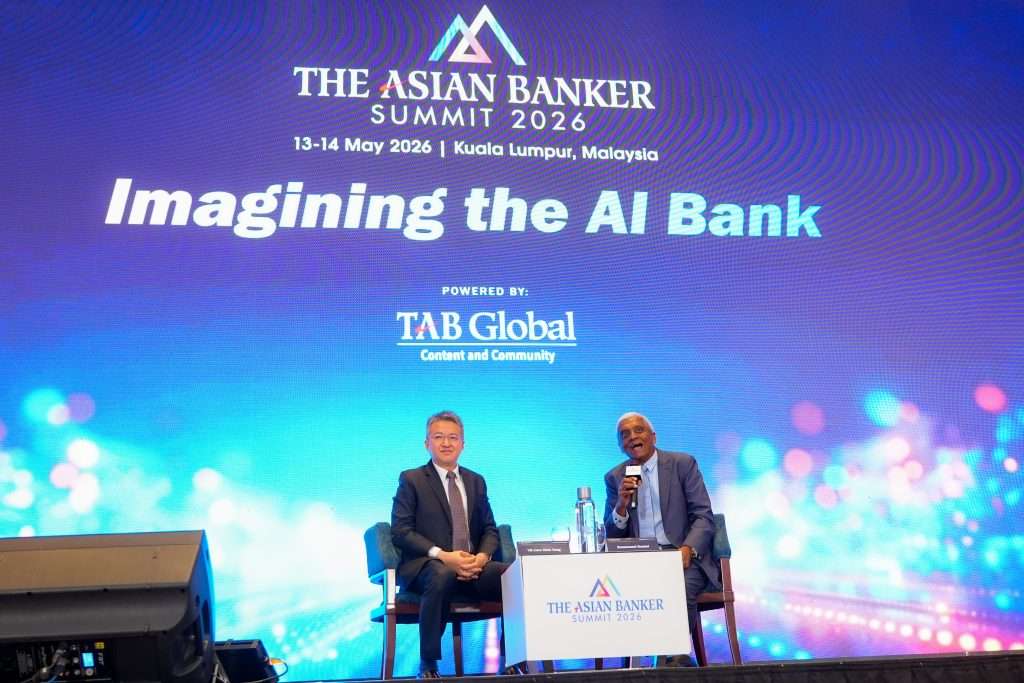
The theme of today’s Summit is “Imagining the AI Bank”. We will have to deal with rapid changes and leapfrog in technology.
These five forces influence and present challenges to our financial landscape.
It is reflected in post-COVID-19 inflation that had to be dealt with, and that influenced interest rate. I wonder what Kevin Warsh (expected new US Fed Chair) will do with inflation at close to 4% in April.
These five forces also influenced the Dollars and the perception towards the Dollars in the years to come. The West Asia Conflict may shift the financial centre, and we are not sure about the future of Dubai. These are challenges that everyone needs to tackle.
Geoeconomics
Last year during the ASEAN chairmanship, I co-chaired the ASEAN Geoeconomics Task Force (AGTF) with my Indonesian counterpart. It took effort to introduce the idea of geoeconomics to our other colleagues, because it was deemed unrelated. We have been trained to think that geopolitics and economics are separated, when in actual fact they are not.
Eventually, we managed to convince our colleagues to continue with the work of the Task Force, in part because Liberation Day forced everyone to acknowledge that we have to deal with geoeconomic challenges.
The AGTF Report has a very interesting title that says “This Time It Is Different: ASEAN’s Agency in Shaping the New Global Agenda”.
I would like you to think that while we are dealing with chaos, we would also like to see bankers, leaders, community leaders, having this sense of agency. Having this sense of agency that we can shape the new global order to a certain extent. While ASEAN is not the richest region in the world and Malaysia is not the richest country in the world, each of us has the potential of shaping the future.
This generation of leaders, including this generation of bankers, have a lot more challenges at hand to deal with, compared to those who were before you. But this becomes an interesting opportunity for bankers to be leaders and be at the forefront of shaping outcomes. Apart from your usual jobs of shaping the velocity of money, I think you and all of us as leaders, will now have to understand industries, supply chain, geopolitics, and geoeconomics. We also have to understand materials, critical minerals and logistics.
Asia
Asia is likely to be the most important region that will see many more actions to come, both for the better and for worse.
As I mentioned, there are flashpoints in Asia. We hope that in the years to come, this flashpoint will not turn into wars. We hope we will have peace in Asia, but these are challenges that we have to deal with.
I was the Deputy Defence Minister of Malaysia a while ago, and that experience taught me that we cannot take things for granted and we all have a role to ensure that there will be peace in Asia, or at least we can contain the challenges in the Korean Peninsula, Taiwan Straits, and South China Sea. There are also worries about the Strait of Malacca.
I was elected in 2008. Around 2010, we started seeing many Chinese and US academics coming to talk to us about the challenges at the Strait of Malacca as a potential chokepoint or what they call the “Malacca Dilemma”. If you follow discussions among the international relations community in China, 15 years ago, the biggest concern for the Chinese international relations specialists was the Malacca Dilemma.
But today, you hardly hear it, except until the last two months. This is partly because China has pivoted, to a certain extent, from its entire dependence on oil. China is now a lot more energy resilient.
China has coal and it uses coal for electricity generation to a certain extent, and that has helped China to shape a more resilient geoeconomic position. And this is something that, to a certain extent, we should learn. Asia should transition its energy as much as possible, and Asia is also where sophisticated manufacturing and innovation happen.
In the semiconductor industry, TSMC and its entire AI infrastructure, and AI chips manufacturing, is happening in this region.
This is also where Asia matters. I note that your organisation was founded 30 years ago, and at this juncture 30 years ago, in 1996, Asia was in euphoria with a booming economy. At that point of time, it was deemed that Asia could do anything. And Malaysia had a slogan “Malaysia Boleh”, Malaysia can do.
But that euphoria that we witnessed, was the result of the Plaza Accord where in 1985, the US forced Japan to appreciate Yen which made it too expensive to export from Japan. And therefore, Japanese manufacturers moved and relocated to Singapore, Batam, Malaysia, and Thailand.
And from there, the Koreans and Taiwanese suppliers came with them. That period of time created Malaysia’s first economic takeoff. We have not seen that for the last three decades, especially after China joined the WTO in 2001 until COVID-19, there was a period of 20 years that Malaysia was to a large extent bypassed.
But now, especially after the trade war and the current energy crisis, Malaysia is getting international attention for the right reasons. We are the indispensable middle in the global semiconductor supply chain, occupying the geopolitical middle and being the middle ground for all other powers, and we have the “twin oil” of petrol and palm oil giving us a relatively stronger energy resilience. We are in a position of strength amidst this global chaos.
Asia is probably the most important region in the years to come, and we should try to deal with all these challenges with a clear vision, determination and courage. And I hope to see more bankers, not just as bankers, but as people and citizens who will shape the future of Asia and the world. Thank you.
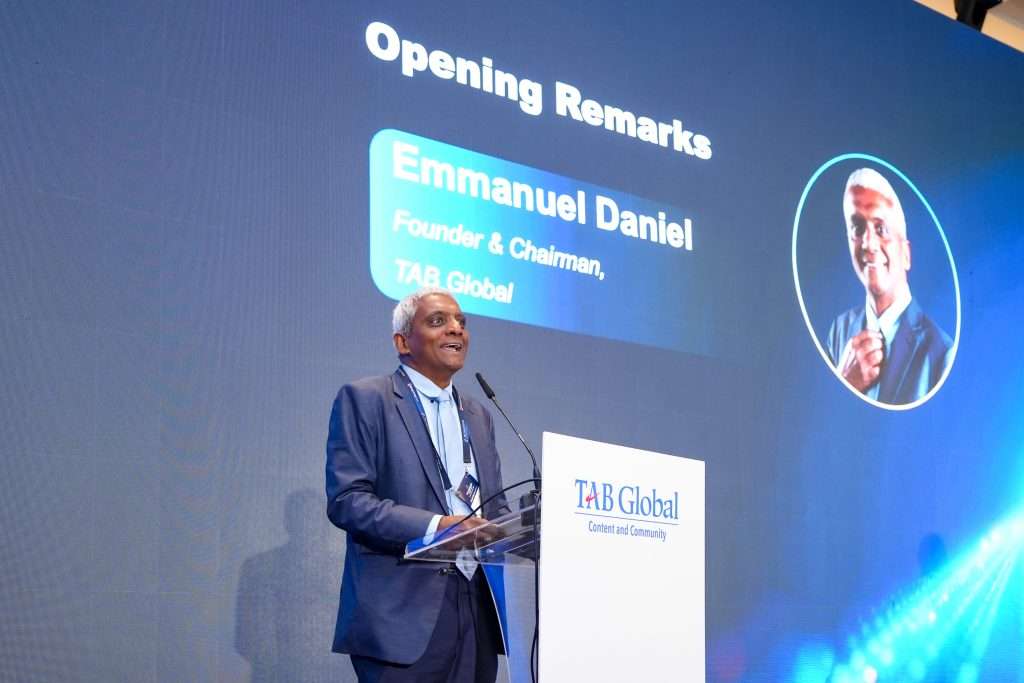
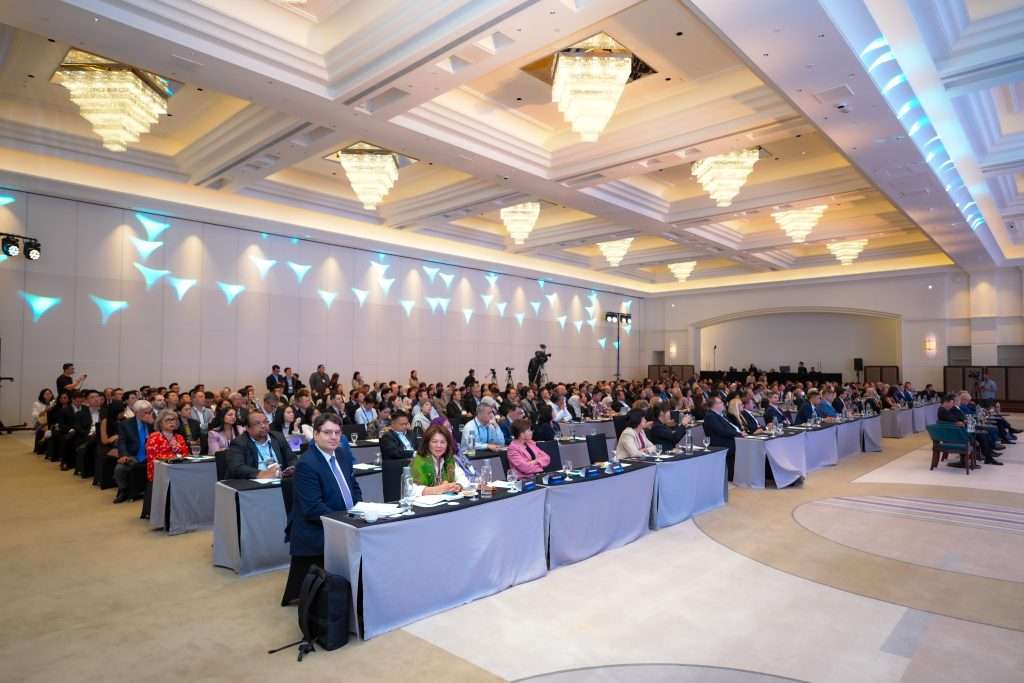
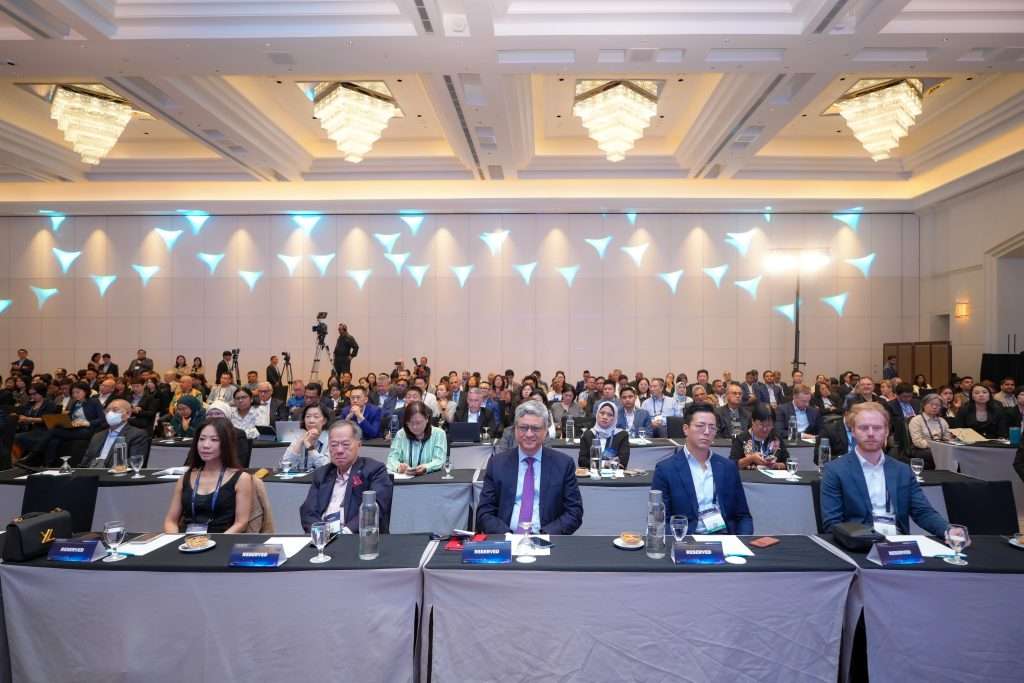
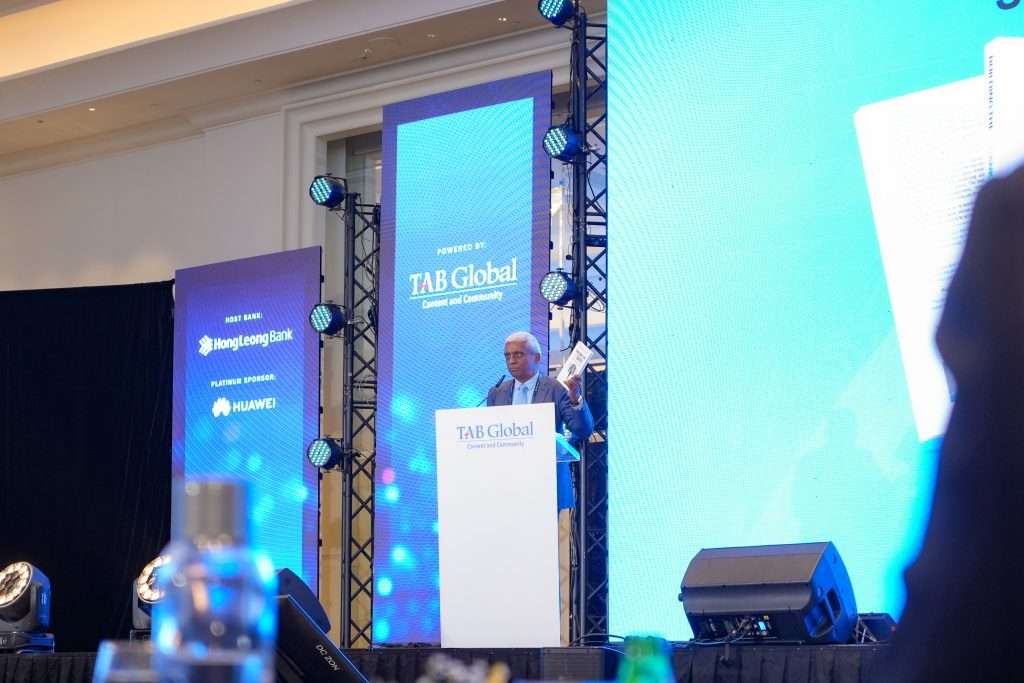
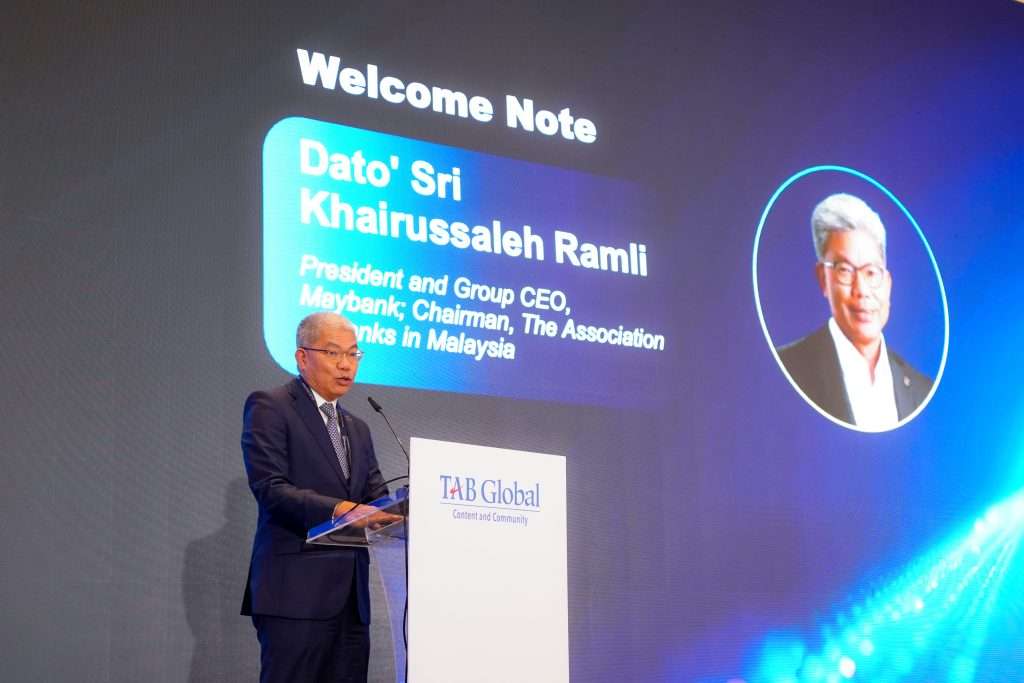
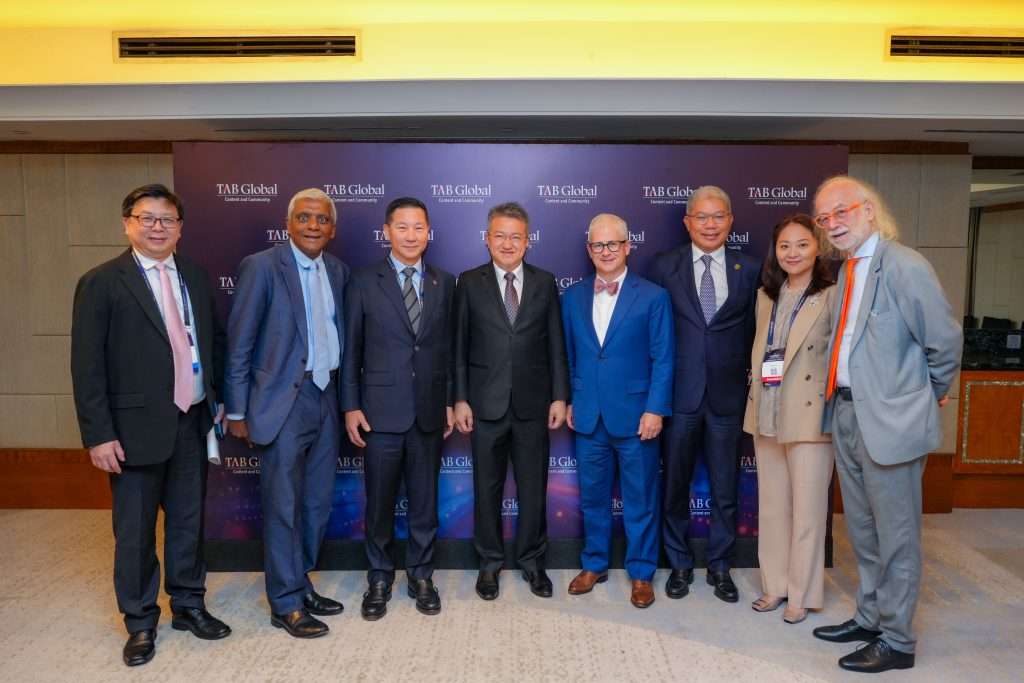
This is my keynote address delivered at the Asian Banker Summit 2026 on Wednesday, 13 May 2026 at the Mandarin Oriental Kuala Lumpur.

