
The Social Exchange: Strengthening Malaysia’s Social Finance Ecosystem
The Social Exchange is a great initiative by the Securities Commission Malaysia (SC). It is not just an initiative, but a statement that we are not just thinking about the…

Why does Barisan Nasional want to go solo?
Because UMNO wants to use this state election to restore itself as the “dominant party” like its former supreme position in the pre-2018 one-party state.
Johor BN has decided not to hold the state election concurrently with the general election. It has also decided to contest all 56 state seats, even if this means contesting against Pakatan Harapan, its coalition partner in the federal Unity Government.
BN is now confident of winning more than 40 seats out of 56 seats in the Johor state assembly. Some even think BN will win 45 to 48 seats.
In the general election on 19 November 2022, PH won 82 parliamentary seats, Perikatan Nasional 74, BN 30, and GPS 23.
PN’s strategy at that time was to combine its 74 seats with GPS, GRS, and statutory declarations from some BN MPs – including MCA President Wee Ka Siong – to enable Muhyiddin Yassin to become Prime Minister. However, PN’s plan didn’t work.
Ultimately, through the mediation of the then Yang di-Pertuan Agong, it was PH and BN that formed the Unity Government.
The cooperation between PH and BN has largely passed the tests of governing together and winning elections together. As such, there was a real possibility that both coalitions could work together in the next general election in direct one-on-one contests between the Unity Government and PN.
However, it seems some people are still dreaming of bringing back the era when UMNO was the overwhelmingly dominant political force.

In the 2022 general election, of the Peninsula’s 165 parliamentary seats, PH and PN won 71 seats each while BN only secured 23.
Originally, after 2022, under the formula proposed by UMNO, in the 71 constituencies won by PN in 2022, the party that came in second place would represent the Unity Government in the next election. Based on this arrangement, PH would contest 90 seats while BN 75 seats.
However, under this formula, MCA would only be able to contest two parliamentary seats. Unhappy with this arrangement, MCA has strongly advocated for BN to go solo because it wants to contest more seats, even if this means having three-cornered contests.
Although MCA is part of the governing coalition, it has consistently behaved like an opposition party, playing up issues, stoking insecurity among the Chinese, and fanning dissatisfaction towards Prime Minister Dato’ Seri Anwar Ibrahim, the DAP and the Unity Government.
On the other hand, PAS and Bersatu continue to play on the anxieties and insecurities of Malay voters, thereby weakening their trust in and support for Anwar and the Unity Government.
Within UMNO itself, there are leaders who do not want UMNO to contest elections alongside PH. They believe that UMNO can only relive its former glory by contesting the largest number of seats and fielding its own prime ministerial candidate, thereby reclaiming Malay support.
As a result, Johor UMNO argues that Johor, which is UMNO’s strongest state, should hold a separate state election first. By securing an overwhelming victory in Johor, they hope to leverage that momentum to contest the next general election by “going solo”.
However, the 2018 general election fundamentally ended the era of one-party dominance. In reality, Malaysia no longer has a truly dominant party.
In the current political landscape, the most likely outcome of the 16th general election is PH and PN becoming the two major blocs while BN will end up as the smaller player.
While we can acknowledge that BN currently holds an advantage in a Johor state election, a victory in a state election does not necessarily translate into success in a general election.
The 2022 general election provides the clearest example. Of Johor’s 26 parliamentary constituencies, BN won only 9 seats, while PH won 15.
Hopefully UMNO and BN leaders will realise that no Malaysians in their right mind want to return to pre-2018 UMNO’s dominance. The era has changed.
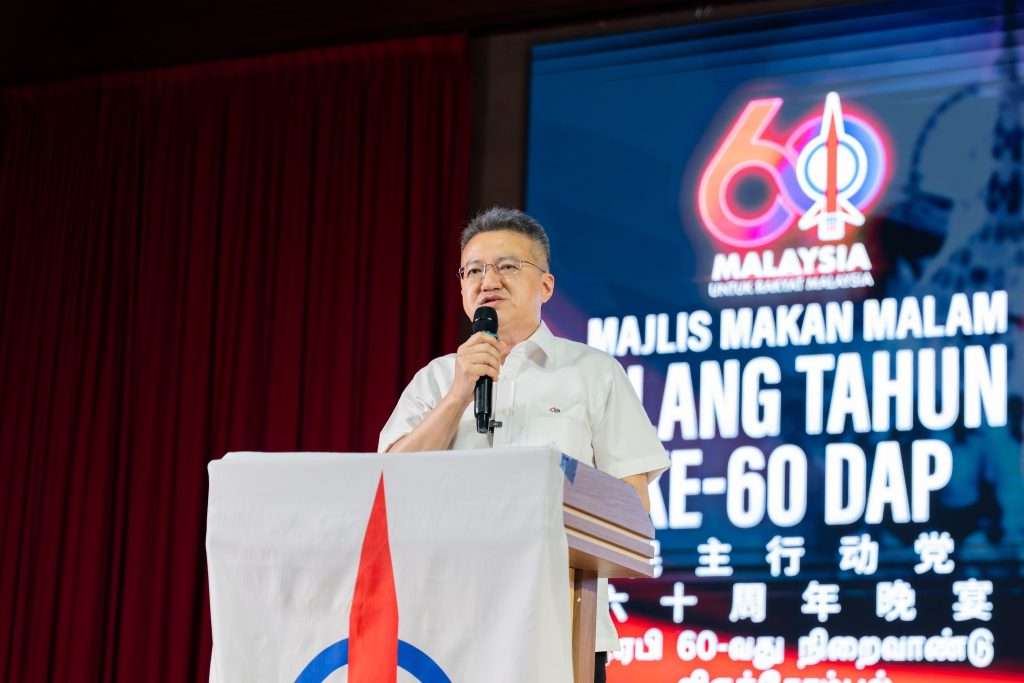
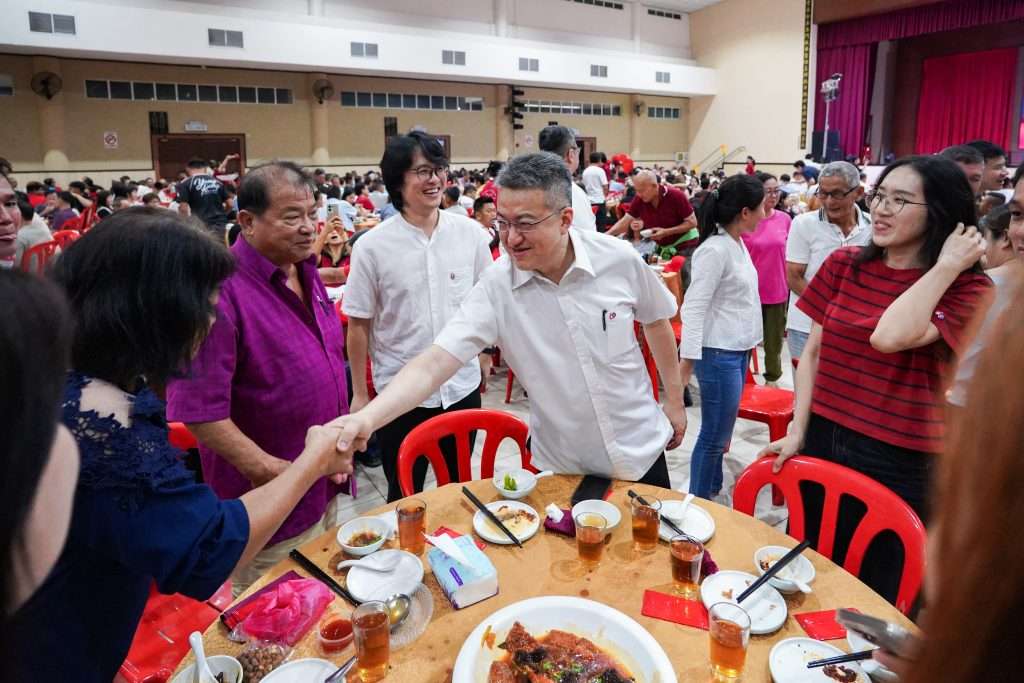
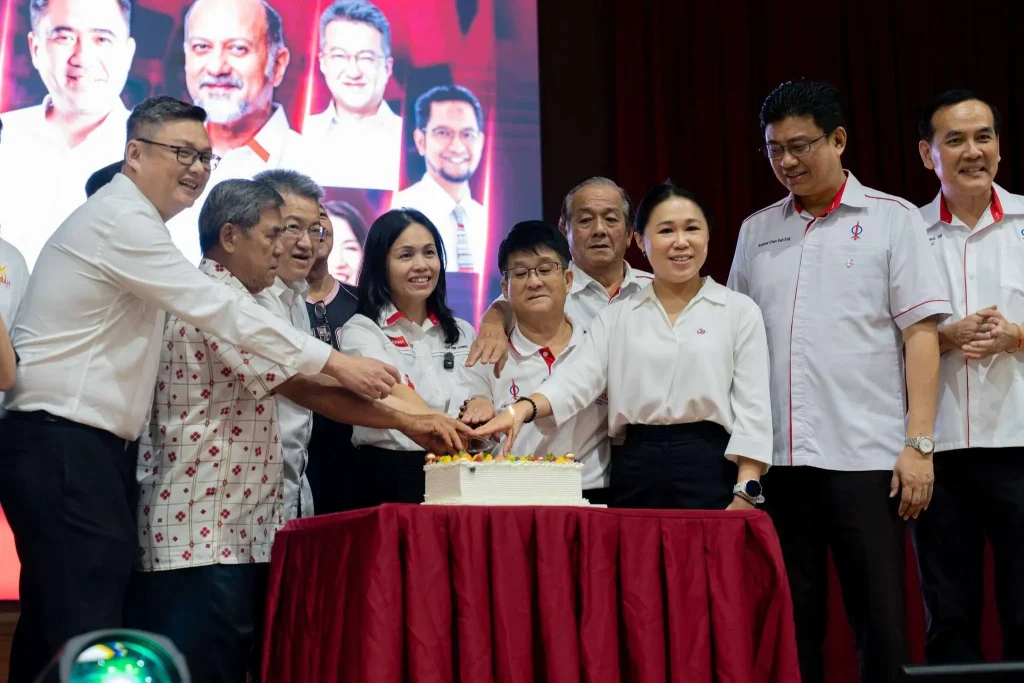
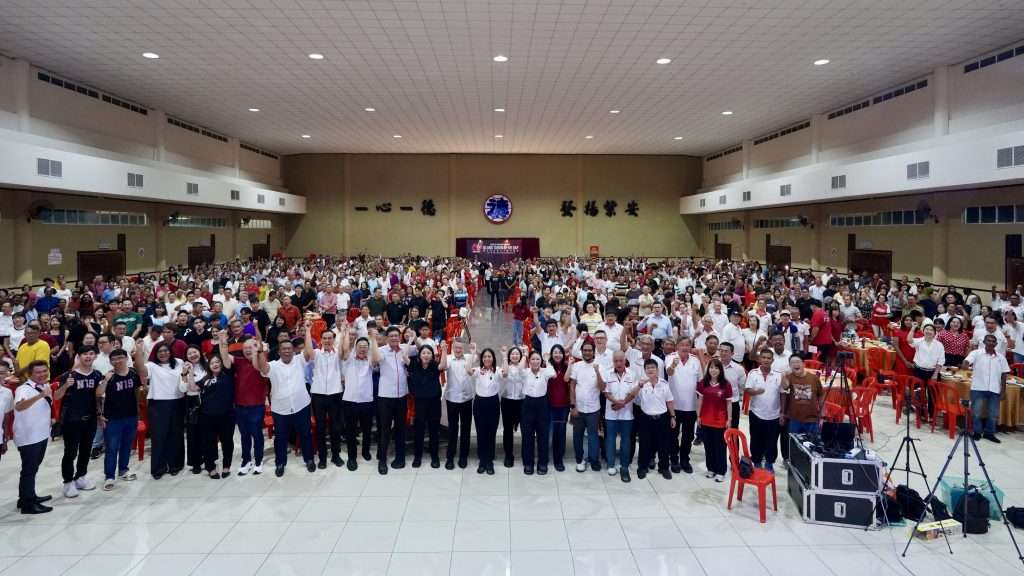
This is my speech as the DAP Strategy Director, delivered at the DAP 60th Anniversary Dinner in Yong Peng on Friday, 30 May 2026.

