
The Social Exchange: Strengthening Malaysia’s Social Finance Ecosystem
The Social Exchange is a great initiative by the Securities Commission Malaysia (SC). It is not just an initiative, but a statement that we are not just thinking about the…

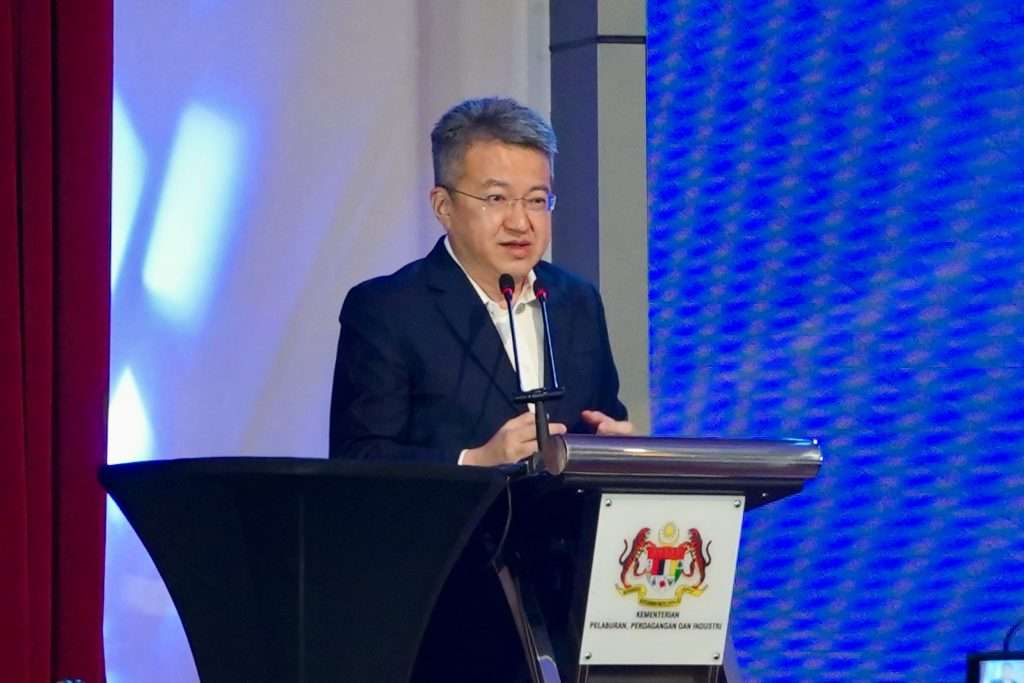
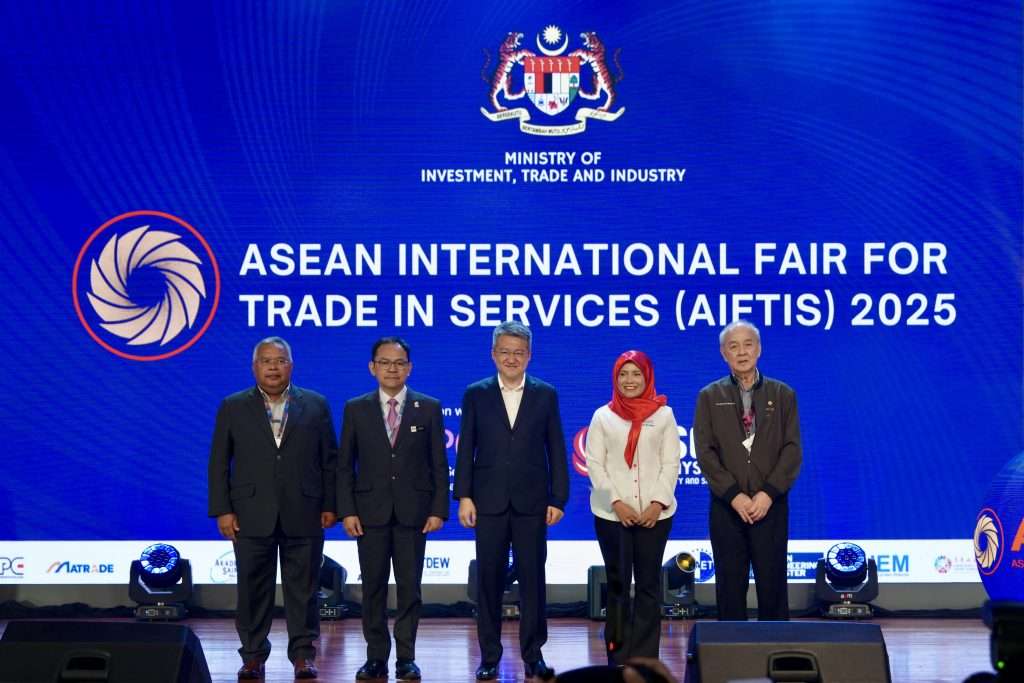
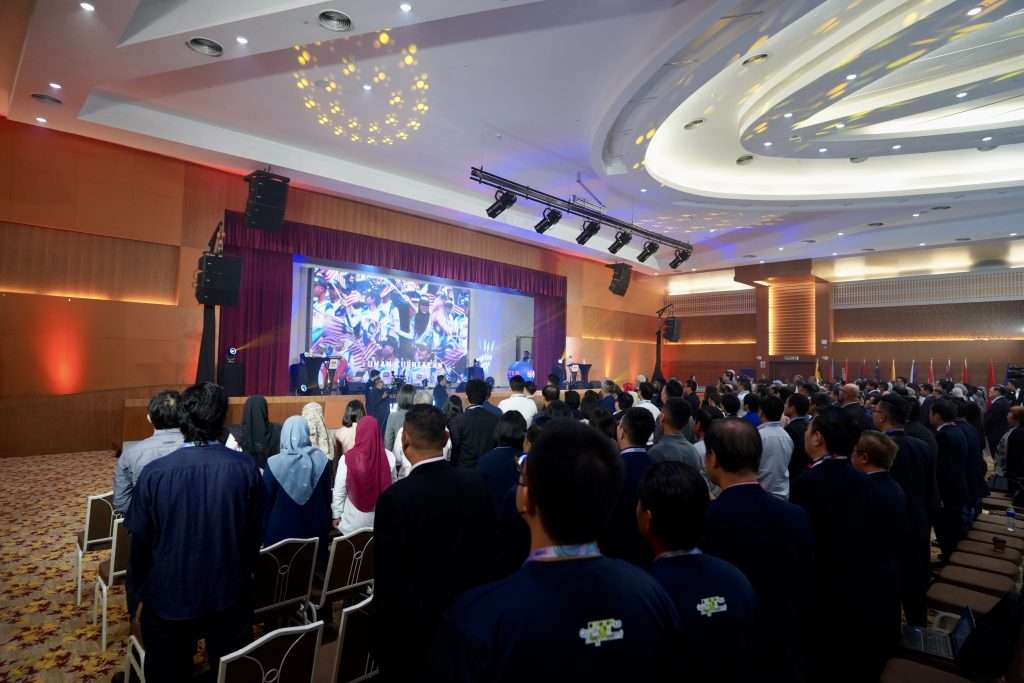
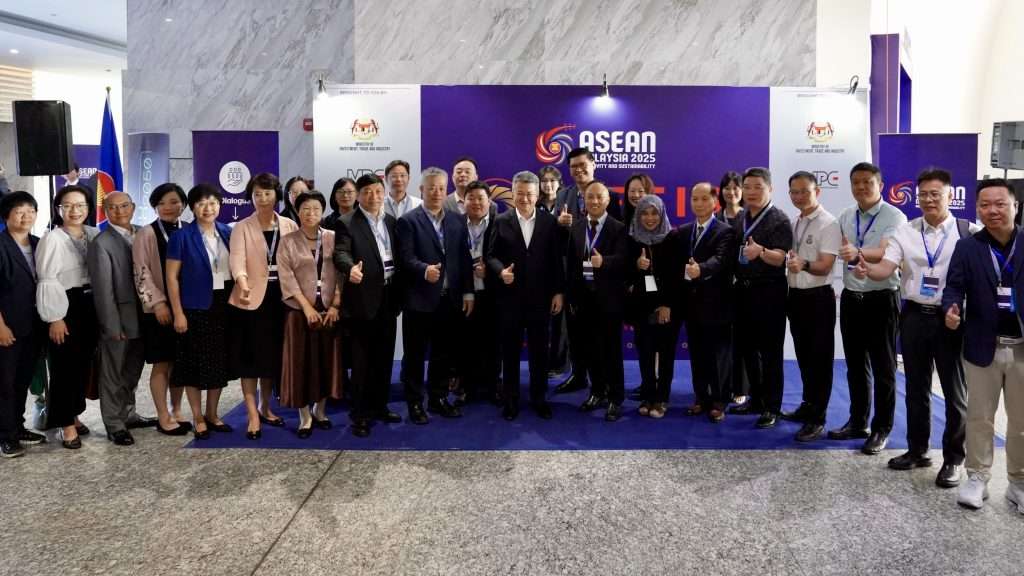
May I welcome you to Kuala Lumpur for the two-day Inaugural ASEAN International Fair of Trade in Services or AIFTIS 2025.
This international fair is a collaborative platform and demonstration of our shared commitment to the future of the ASEAN Economic Community. We are honoured to host this event, which aligns with Malaysia’s strategic direction as the ASEAN Chair for 2025.
Malaysia would like to see more ASEAN’s efforts in enhancing trade in services, a vital driver of economic growth and regional integration with a targeted focus on talent development, technology adoption, regulatory reform and industry collaboration, and AIFTIS ushers in a new era of cooperation.
The themes of innovation, inclusiveness, and sustainability resonate throughout the programme. Adopting advanced solutions like AI and blockchain, enhancing ASEAN-wide standards, and strengthening mutual recognition agreements will empower our services sector to rise to the next level.
I applaud efforts made by the private sector players from the Malaysian Service Providers Confederation (MSPC) and champions from the Professional Services Productivity Nexus (PSPN) in co-organising this international fair together with our officials from the Ministry of Investment, Trade and Industry, and the Malaysia Productivity Corporation (MPC), supported by MATRADE, MIDA and MRM. This joint effort by the public service and private sector in ASEAN is key to further unleashing the industry’s capability and innovation so that we need to build a more connected and resilient ASEAN.
Significant Role of Trade in Services
ASEAN Economic Community Blueprint 2025 aspires to further broaden and deepen services integration within ASEAN, ASEAN’s integration into the global supply chains and enhance ASEAN Member States’ competitiveness in the services sector. A strong services sector facilitates industrial development, innovation and efficiency, which will then maximise the contribution of this sector to economic growth.
ASEAN has recorded a strong performance in trade in services in 2024, which rose by 12.2 per cent to US$1.29 trillion. Intra-ASEAN trade in services also grew, accounting for nearly 14 per cent of the region’s total trade in services. This positive momentum reflects a recovery in tourism, transport services and continued growth in digital and business services across ASEAN.
However, the rapid growth in trade also reveals a vulnerability. Many ASEAN member states, including Malaysia, still record a deficit in trade in services. This gap underscores the urgent need to enhance our regional policy coordination and develop sophisticated service ecosystems.
Our national industrial blueprint, the New Industrial Master Plan 2030 (NIMP 2030) recognises that high-value, high-tech professional services are the crucial enablers that increase the complexity and competitiveness of our economy, effectively driving us up the global value chain.
The focus in NIMP 2030 is designed to strengthen Malaysia’s export capacity in high-growth clusters, including advanced logistics, private healthcare, and engineering consultation, while simultaneously improving our digital infrastructure and attracting critical talent.
Five Priorities for Strengthening the ASEAN Services Sector
I would like to share with you five points which I believe are important for us to reflect upon, in order to build a strong ASEAN services sector, both for our domestic markets and for the regional economy.
First, many of us have subscribed to the economic notion that manufacturing and services are mutually exclusive, that societies will naturally transition into providing more services and less manufacturing.
In reality, the two sectors are deeply interconnected. Some nations have learned, sometimes painfully, that it is impossible to separate manufacturing from services. Services are a vital component of any economy, but they advance together with manufacturing. The more sophisticated our manufacturing becomes, the more sophisticated our related services will be, such as port operations, airline services, logistics and supply chain solutions.
We must move away from viewing manufacturing and services as separate. Instead, we should see them as complementary sectors that grow together and reinforce each other, creating more value added opportunities in both.
Second, we must think about exporting services while simultaneously nurturing Malaysia’s and ASEAN’s own services champions. ASEAN already has success stories such as Grab and Carsome, icons that illustrate our region’s potential. We now need to build more of these companies that can excel domestically and compete regionally.
For too long, foreign companies have been viewed as large, while Malaysian or ASEAN firms are automatically categorised as SMEs. This mindset must change. We want Malaysian and ASEAN companies to be recognised as industry leaders, not merely followers.
The ASEAN Business Advisory Council proposed that an ASEAN Business Entity (ABE) be established and Prime Minister Dato’ Seri Anwar Ibrahim mentioned it in his Budget 2026 speech, and the Securities Commission is tasked to make it happen. With an ABE status, we hope to strengthen business linkages, support innovation and create an environment where more homegrown ASEAN champions can emerge.
Third, beyond economics, we must strengthen cultural understanding and cultivate a shared ASEAN identity. Much of the services sector, whether in arts, architecture, design or construction, draws heavily from culture. The more we treasure a Cultural ASEAN, the more our services sector will grow.
China, for example, has rapidly developed a strong film industry. Korea has created a global phenomenon through K-pop. When we think about ASEAN services, we must incorporate cultural elements. It is entirely possible that one day ASEAN will develop cultural experiences strong enough to form a distinctive industry.
Fourth, MITI recently concluded the Malaysia Pavilion’s participation at Expo 2025 Osaka. It is timely for us to consider forming a Team Malaysia for the next World Expo in Riyadh in 2030. We should begin preparations now by bringing together our construction, engineering and professional services sectors to work closely with the authorities in Riyadh to create something truly distinctive. Beyond the World Expo, we can also mobilise Team Malaysia to participate in other major international exhibitions.
Lastly, I would like to touch on the topic of jobs. In many economies, services account for the majority of employment. It is therefore crucial that we improve working conditions, skills and wages in the services sector, and ensure that these jobs remain viable and meaningful even in the face of technological changes and artificial intelligence.
The success of AIFTIS 2025 will reinforce ASEAN’s collective ability to become a global hub for high-value professional services, fostering resilience and sustainable economic growth for our region.
It is now my pleasure to officially declare the Inaugural ASEAN International Fair of Trade in Services open.
Thank you, and I wish you a productive AIFTIS 2025.
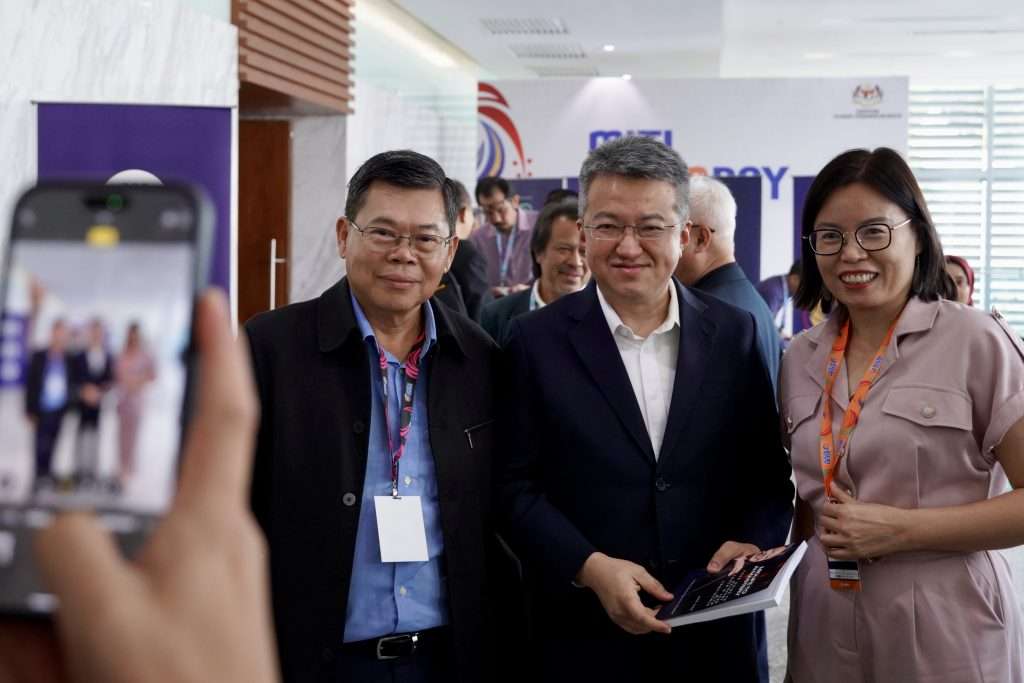
This is my opening speech delivered at the ASEAN International Fair for Trade in Services (AIFTIS) on Monday, 17 November 2025 at Menara MITI, Kuala Lumpur.

