
The Social Exchange: Strengthening Malaysia’s Social Finance Ecosystem
The Social Exchange is a great initiative by the Securities Commission Malaysia (SC). It is not just an initiative, but a statement that we are not just thinking about the…

𝗧𝗵𝗲 𝗲𝗺𝗲𝗿𝗴𝗲𝗻𝗰𝗲 𝗼𝗳 𝗣𝗮𝗸𝗮𝘁𝗮𝗻 𝗥𝗮𝗸𝘆𝗮𝘁
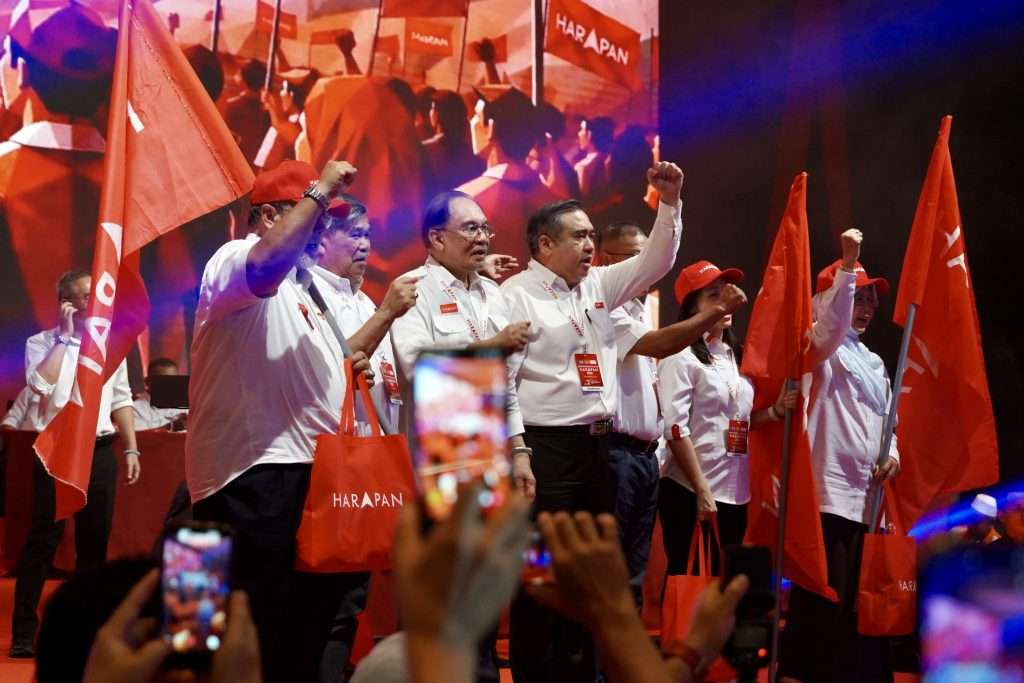
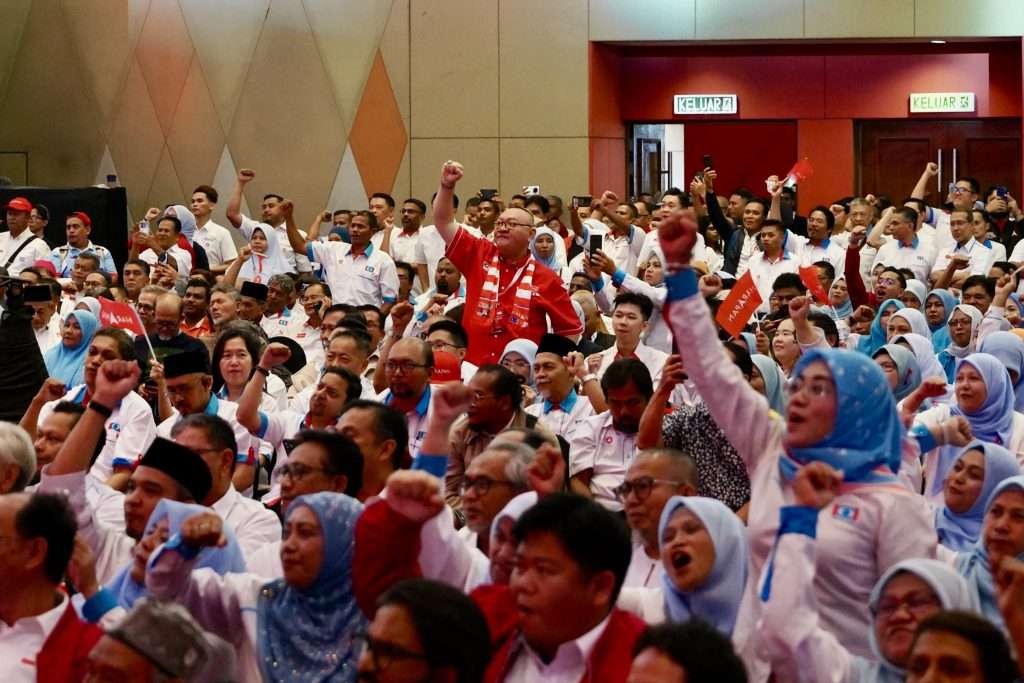
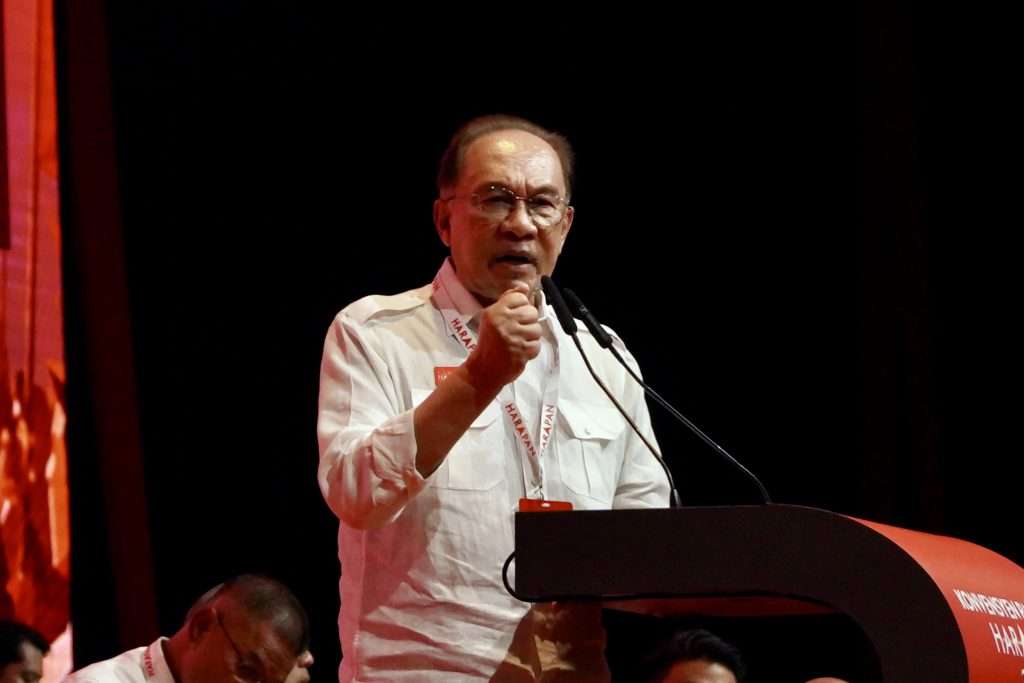
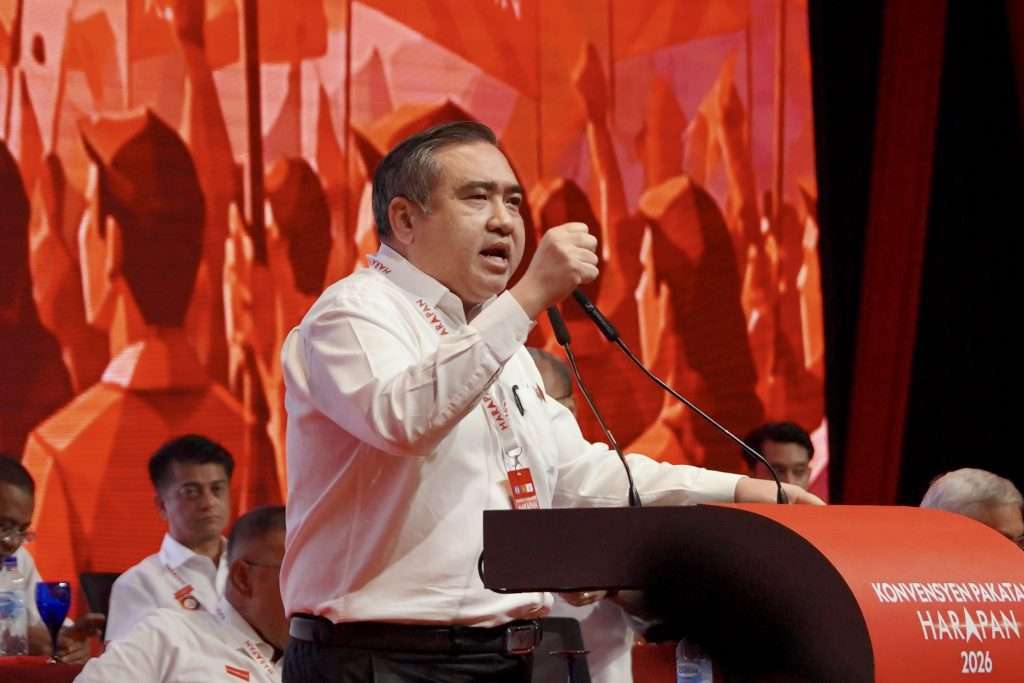
Pakatan Harapan hosted its convention in Johor Bahru today on 17 May 2026. It is to determine the direction and next steps of the coalition as we approach the general election.
Let me share some of the current political context for those who might not have gone through it firsthand.
Pakatan Rakyat – the predecessor of Pakatan Harapan – was formed on 1 April 2008 after the 12th general election on 8 March that year. It was a historic moment when the Opposition won 82 out of 222 parliamentary seats, and Barisan Nasional lost its two-thirds Parliamentary majority for the first time. It was a political tsunami. Nobody saw that coming because the Opposition only won 19 out of 219 seats in the previous general election of 2004.
The Opposition also made significant inroads. From only PAS governing Kelantan since 1990, the Opposition managed to form the state governments of Penang, Kedah, Selangor, and Perak. Forty two years after its formation, the DAP was finally no longer a “permanent opposition”, while PKR achieved its first major breakthrough since the sacking of Dato’ Seri Anwar Ibrahim in 1998.
Behind these 2008 election results, UMNO had attempted to form coalition state governments with PAS in Perak and Selangor, but this idea was vetoed by PAS spiritual leader and Kelantan Menteri Besar Tuan Guru Nik Abdul Aziz Nik Mat. His decision effectively delayed UMNO-PAS cooperation for a decade, giving Pakatan Rakyat room to reorganise and begin its rise as an alternative government. However, with the passing of Nik Aziz in 2015, UMNO began indirectly cooperating with PAS, causing problems within Pakatan Rakyat.
After losing federal power in 2018, UMNO formally established “Muafakat Nasional” with PAS in September 2019. During the Sheraton Move in February 2020, Muhyiddin’s Bersatu joined forces with PAS and UMNO to form the federal government. However, following the 2020 Sabah state election, fissures began to form within the coalition before eventually leading to outright three-cornered fights in the 2021 Malacca state election, 2022 Johor state election, and 2022 general election.

𝗧𝗵𝗲 𝗰𝗼𝗹𝗹𝗮𝗽𝘀𝗲 𝗼𝗳 𝗣𝗮𝗸𝗮𝘁𝗮𝗻 𝗥𝗮𝗸𝘆𝗮𝘁
In the 2013 general election, it was a straight fight between Pakatan Rakyat and Barisan Nasional in most constituencies. Pakatan won 51% of the popular vote, but secured only 89 out of 222 parliamentary seats. We were so close yet so far from winning power.
Although Prime Minister Najib Razak won the election, many of the seats were won with razor thin margins. He became extremely uneasy and insecure, especially after news about his multiple financial scandal broke.
Anwar Ibrahim was jailed on 10 February 2015. Two days later, on 12 February, Nik Aziz passed away, triggering the collapse of Pakatan Rakyat. Anwar’s imprisonment deprived the coalition of its central leader, and PAS formally split from Pakatan Rakyat following its muktamar on 6 June 2015.
The progressive faction within PAS that supported Anwar Ibrahim and Pakatan left the party and formed Amanah on 16 September 2015. Just a week later, on 22 September, the newly established Amanah joined PKR and DAP to form Pakatan Harapan amid turbulent circumstances.
From the 2013 general election until January 2018, DAP, PKR, and their allies were in an underdog position, leaderless due to Anwar’s imprisonment, while being constantly attacked from both sides by Barisan Nasional and PAS.
Najib, who successfully split PAS and dismantled Pakatan Rakyat in June 2015, could never have imagined that Pakatan Harapan would go on to win power three years later, on 9 May 2018.

