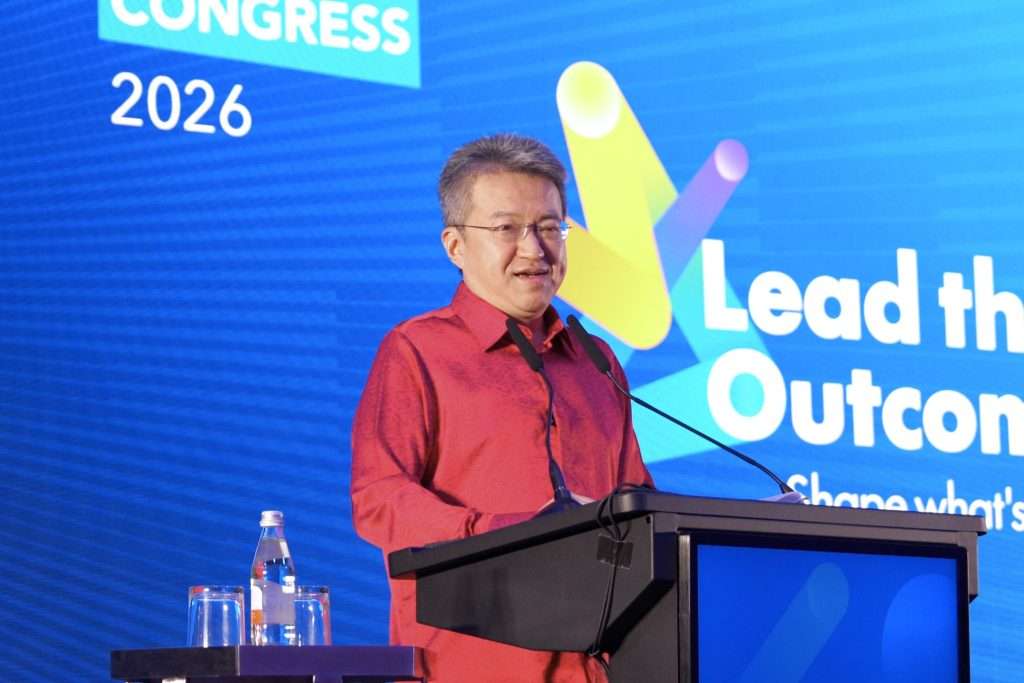
Accountant’s Mission in the New Era
It gives me great pleasure to welcome fellow Malaysians and international delegates to the CPA Congress 2026. I visited the Malaysian Institute of Accountants last week to discuss the long-awaited…

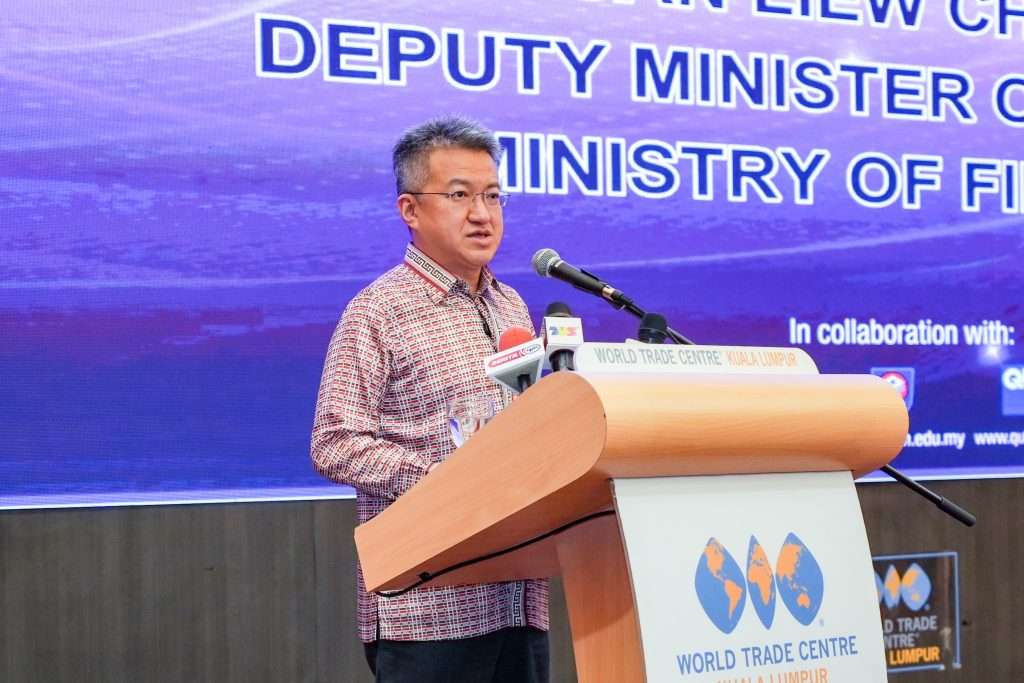
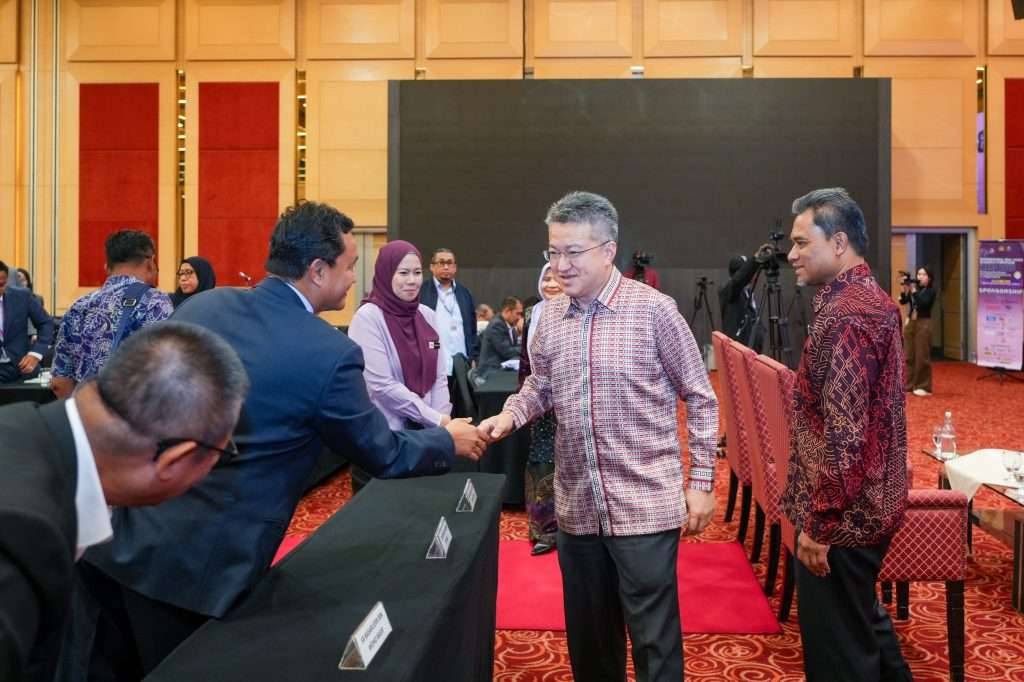
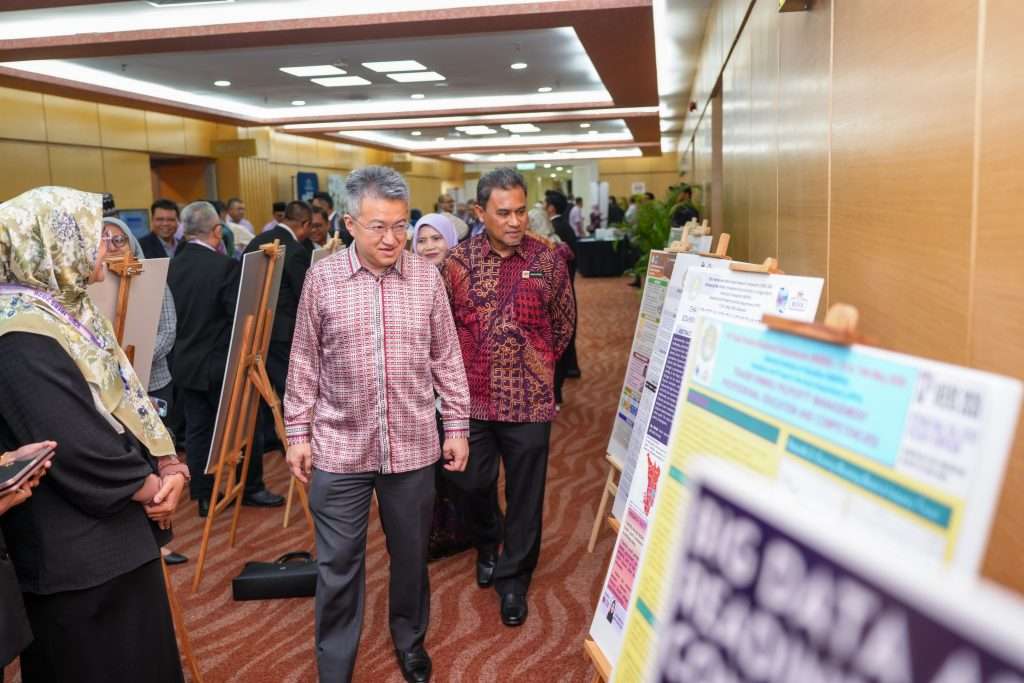
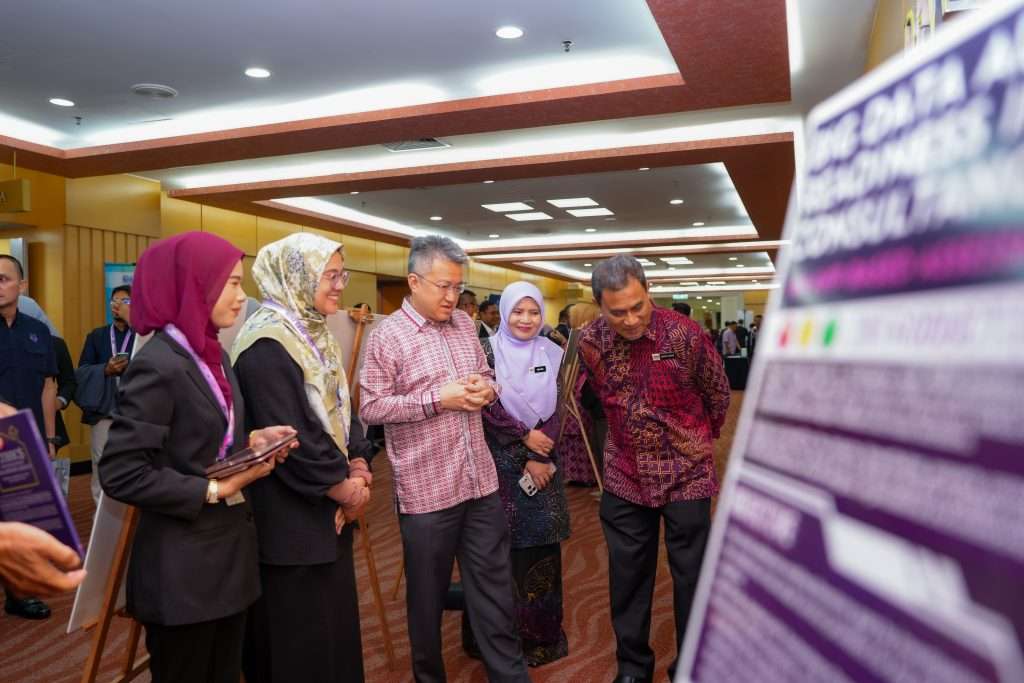
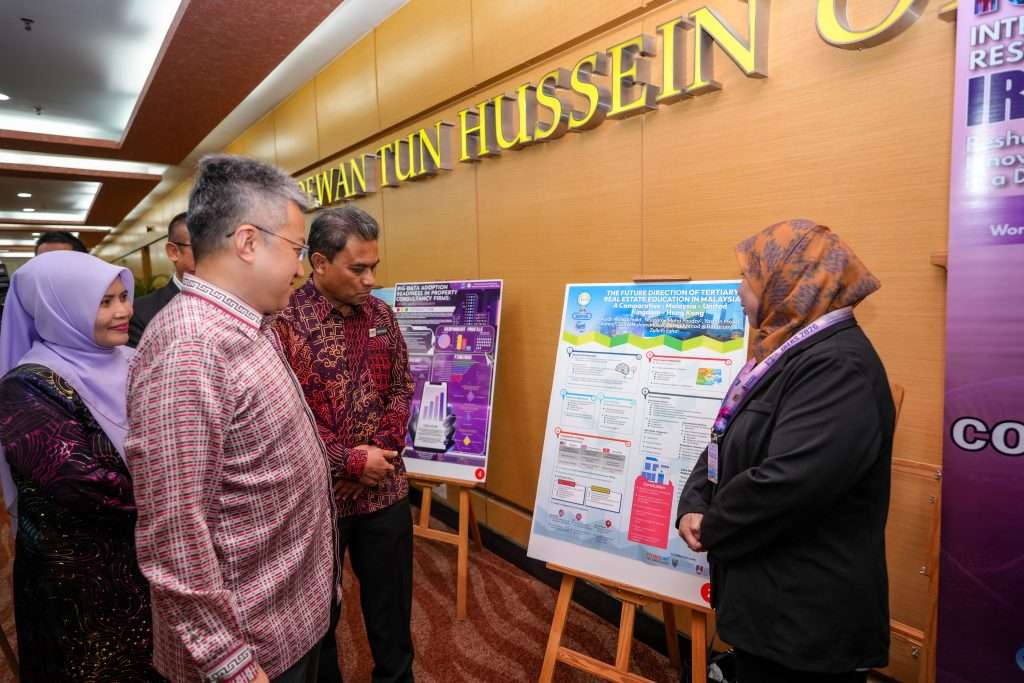
I am delighted to join you at the 13th International Real Estate Symposium 2026 and to welcome you to Kuala Lumpur. This year’s theme, “Reshaping Real Estate: Innovations and Inclusivity in a Digital World,” reminds us the importance of innovation, which requires us to do things differently, and inclusivity, which means no one is left behind, or left homeless, because of others’ pursuit of real estates.
The unipolar geopolitical order led by the United States, is crumbling. And the economic order that puts finance first and everything else secondary now has to face geopolitical upheavals and outright wars, the health crises from pandemics to low fertility rate to ageing societies, and technological disruptions such as the rapid advent of artificial intelligence.
The United States-Israel war against Iran tells us that, first, the US global dominance is now faced with severe push back; and second, the dependence of Asia and the world on cheap energy from West Asia is ending, which will have implications for how we build houses, a point I will return later.
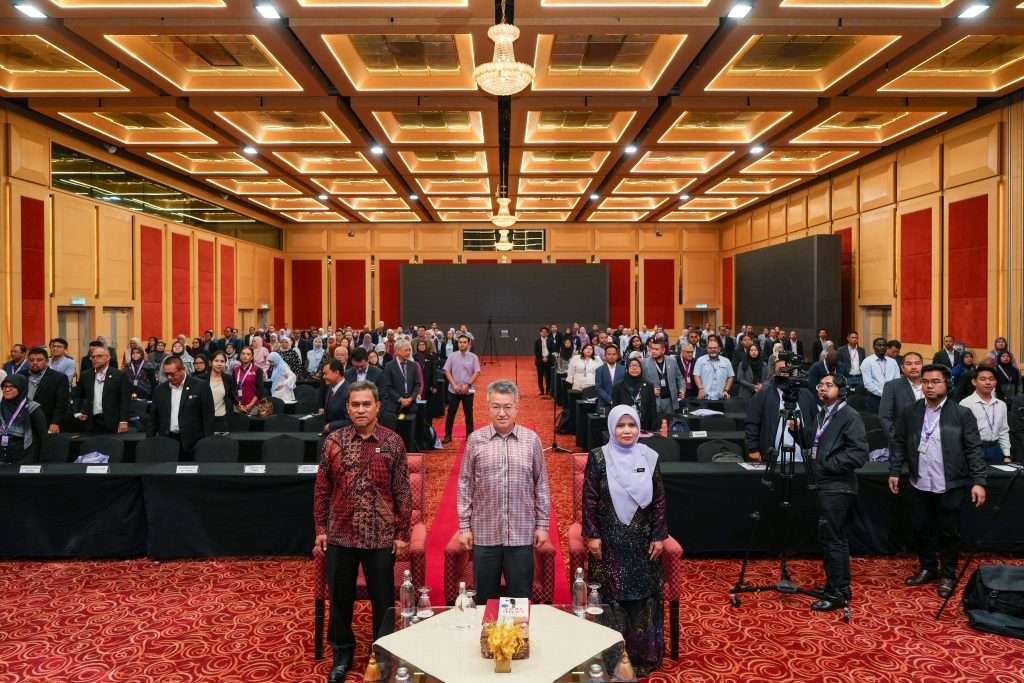
This is the best of times to shape a better world as the rules are now being rewritten, and we need to be bold to imagine a better future, especially in the real estate realm, which has become overtly financialised to the detriment of ordinary folks both from the point of view of satisfying housing needs as well as the more occurrences of major financial crises caused by property bubbles.
In Asia, the burst of Japan’s property bubbles in 1990-1991 resulted in more than three “lost decades”. The Asian Financial Crisis in 1997 had a lot to do with exuberance sentiments at that time which resulted in insane building sprees with foreign loans. Everything ended in tears and in many ways countries like Malaysia, Thailand and Indonesia, still experienced the lingering legacies of 1997.
The property bubble that burst in China in 2022 is now affecting the world in multiple ways. For instance, as demand in China slows, it exports more globally, causing anxieties among manufacturers in Southeast Asia.
The subprime crisis that resulted in the Global Financial Crisis in 2008 should be a lesson for all in the real estate fraternity. That the first and foremost responsibility for anyone in the real estate sector is to spot, prevent, and stop any bubbles from forming.
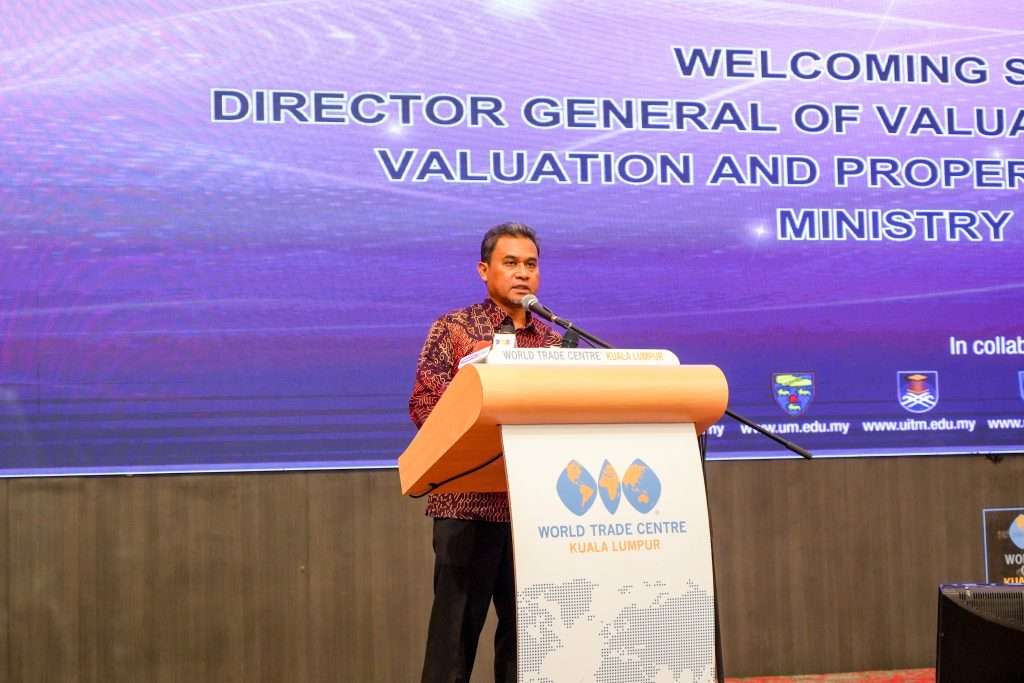
I would like to recommend to you Mike Bird’s “The Land Trap: A New History of the World’s Oldest Asset”. In this book he writes that “Investors, financiers and central bankers have gone through endless cycles of arrogance, implosion and regret, realizing only after the fact that they were riding a wave of surging land prices, rather than profiting from some new form of financial genius”.
It is important for us to note that the financialisation of real estate in the last 50 years, thanks to neoliberal ideas of unrestrained free market, is now coming home to roost.
Three major shifts I detect would happen with regards to the real estate sector globally:
First, more and more societies will see through the pitfalls of the financialisation of housing in the last fifty years and want to pivot away from it given that housing crunches contribute to a sense of disempowerment, which in turn led to populism that threatens democracies. The millions of foreclosures in the United States after the Global Financial Crisis had probably contributed to the discontent among the missing middle class, which led them to vote for Donald Trump. Million others in the US, UK, Australia, and other advanced nations, as well as developing nations, have shut out of housing, whether rental or owned, in the past several decades. If you follow the debates among the progressives in the US and elsewhere, building more housing that is accessible to ordinary folks has become a major concern. Ezra Klein and Derek Thompson’s “Abundance” describes the polemics quite clearly.
Second, finance and its role in society is undergoing a sea change. For twenty years from 2001 when China joined the World Trade Organisation to the 2020 Covid-19 pandemic, China was the supplier for everything, and there’s hardly a need for advanced societies to worry about how to manufacture things, where the materials and minerals would come from, whether there are sufficient energy, and whether there would be wars. The overwhelming concentration of finance in the real estate sector was possible when there were no disruptions of any form.
Third, investment in technology. As AI and other technologies grew at a fast pace, and with the background of geopolitical competition among the great powers, societies will increasingly make available more sources of funding into technology and not property speculation.
Now as promised, I will touch on housing, sprawled cities, and the climate. Mike Bird pointed out that “Expensive homes help to drive everything from the world’s low fertility rate, since young families cannot afford additional space to raise children, to rising levels of obesity, since sprawling cities in which greater densification is impossible are dominated by car transport.”
Malaysia is a case in point. Our cities have been hollowing out in the last fifty years while at the same time more and more Malaysians moved away from rural areas into urban existence. Most Malaysians now live in sprawled suburbs, and there is a very high dependency on private vehicles, which in turn result in high carbon emissions, and now more challenging, the need for more petroleum to support such a national lifestyle. Many commute for hours to get to work and to get home. Paradoxically, many inner city office buildings are empty, which I hope would see many retrofitted housing for Malaysians.
It took fifty years for Kuala Lumpur and Malaysia to get to this level of sprawling, perhaps it will take 10 to 20 years to reverse the trend, and to repopulate inner cities.
Now that we know the challenges faced by the real estate sector, let me convince you that there are five major factors that would shape a real estate sector that has public purposes at heart:
First, build housing not financial assets
The more societies can move away from seeing housing as financial assets, the less societies are prone to devastating financial bubbles, and the more people would have their housing needs served.
Second, enable other sectors
The real estate sector is not the centre of the universe but it exists to enable other sectors to thrive. I have been telling developers in Penang that as the Silicon Valley of the East, they should be working with the semiconductor industry to build housing to house young engineers, and not aiming to sell to foreigners.
Third, climate change
Climate change is not going away and will determine the conditions of our cities, shorelines, liveability etc. All housing should be built with utmost concerns for the climate, including avoiding sprawls and making cities denser to accommodate more residents without compromising the quality of life.
Fourth, having the question of inequality in mind
Inequality hurts societies and harms social coherence. Housing deprivations often result in scars on the minds of those who suffer. This is particularly true in Southeast Asia. For societies to move forward, a fairer society with less inequality is good.
Fifth, avoid adding to household indebtedness
High household debts are major problems for many societies. Any provision of housing should take into consideration the indebtedness situation of those who want to own a house. And as much as possible, avoid adding to household debt.
In conclusion, the real estate sector regionally and even globally needs to survey their respective operational assumptions about the sector, and innovate with new ideas. In essence, it is about innovative technologies and Build Back Better.
This is my keynote address delivered at the International Real Estate Research Symposium (IRERS) 2026 on Tuesday, 12 May 2026 at the World Trade Centre Kuala Lumpur.

