
The Social Exchange: Strengthening Malaysia’s Social Finance Ecosystem
The Social Exchange is a great initiative by the Securities Commission Malaysia (SC). It is not just an initiative, but a statement that we are not just thinking about the…

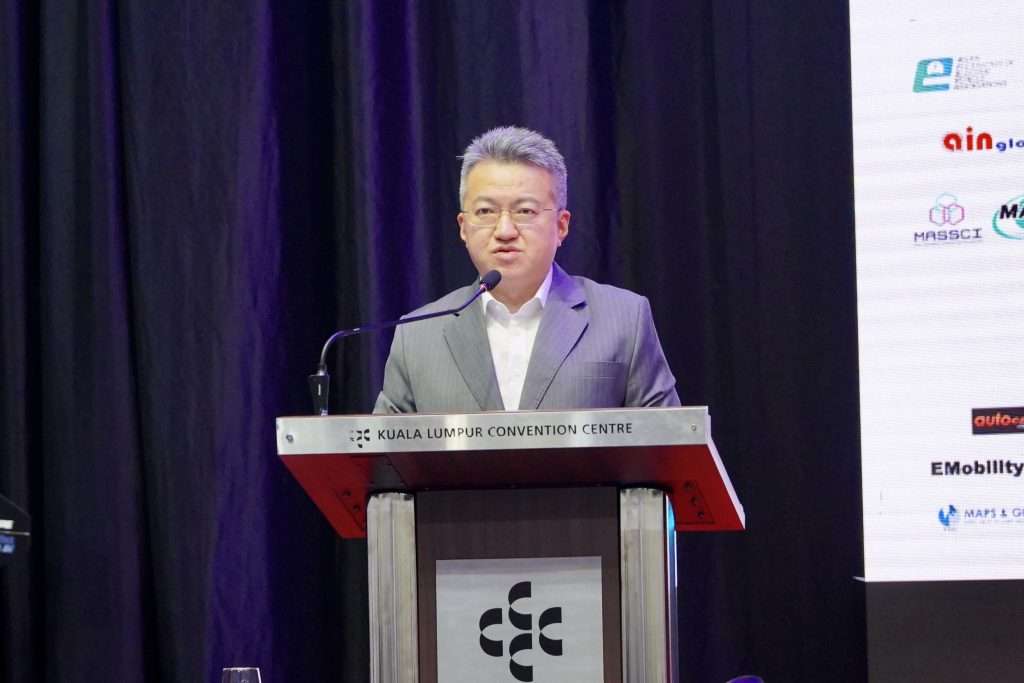
I hope this conference, with the experts and stakeholders in the electric vehicle industry, could help us to deal with three sets of major national challenges:
First, reduce consumption of petroleum
There is a need for Malaysia to reduce overall consumption of petroleum. Thus far, the discussions about RON95 focus on who should pay for the price of petrol, or more specifically, whether subsidy should be removed and for whom.
However, a larger challenge is that although most people still think that Malaysia is an oil exporting nation, the reality is that Malaysia is the world’s 21st largest oil importing nation.
For Malaysia’s energy security, we should strive to return to being a net exporter of oil. The electrification of mobility is the way forward with the ultimate objective of reducing the usage of petroleum all together.
If the nation can reduce dependence on oil via electrification of mobility, we will be able to look at the rationalisation of RON95 subsidy with a new perspective.
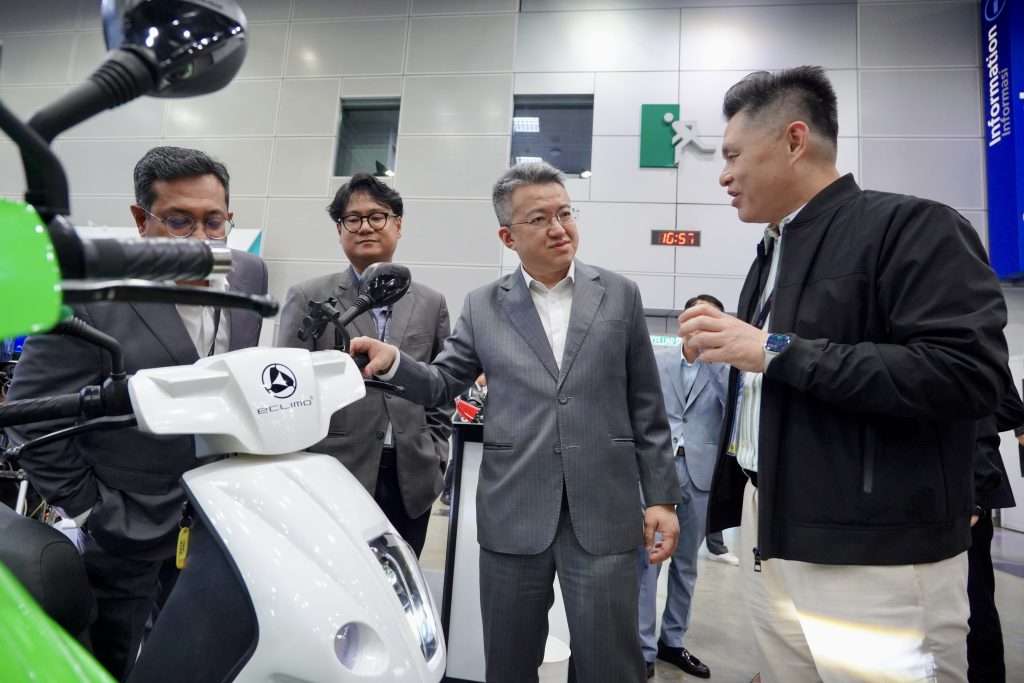
Second, pushing for exponential growth
I detect that many of us are thinking of the electrification of mobility in a linear manner. To solve the first challenge of heavy dependence on petroleum, the nation should push for exponential growth of the electrification of mobility.
According to Global EV Outlook published by the International Energy Agency (IEA), in 2018, only 2 percent of global total industry volume (TIV) was electric vehicles. In 2022, it was 14 percent and 18 percent in 2023.
In several months in 2024, more than half of vehicles sold in China were new energy vehicles.
The Government targets 20 percent of all forms of electric vehicles (xEV) of TIV in 2030, 50 percent in 2040 and 80 percent in 2050.
I hope your conference and all of us can put our heads together to find a way to push for exponential growth of electrification of mobility.
Third, manufacturing, localisation and horizontal integration
The Government wishes to see more localisation in the automotive industry. In 2023, the automotive sector recorded a total import value of RM62.14 billion, while the total export value was RM18.01 billion. There is certainly a balance of payment concern that Malaysia imports so much more than it exports, as far as the automotive industry is concerned.
Beyond the usual attempt to localise more of the automotive parts, I would like the automotive sector to work on horizontal integration with the semiconductor industry. Not known to many, Malaysia exports a substantial amount of automotive chips. When I attended a meeting in Detroit in May 2023, Gina Raymondo, US Secretary of Commerce, told the audience that a US automotive factory in Detroit had to shut down when Malaysia locked down production during Covid-19.
I hope the automotive industry in Malaysia will draw up plans to encourage innovations with the semiconductor industry to develop automotive-related semiconductor products.
Malaysia should not be just an adopter of technology. We must aim to be innovators. There is better way than to see the horizontal linkage between the automotive and the semiconductor industries in Malaysia.
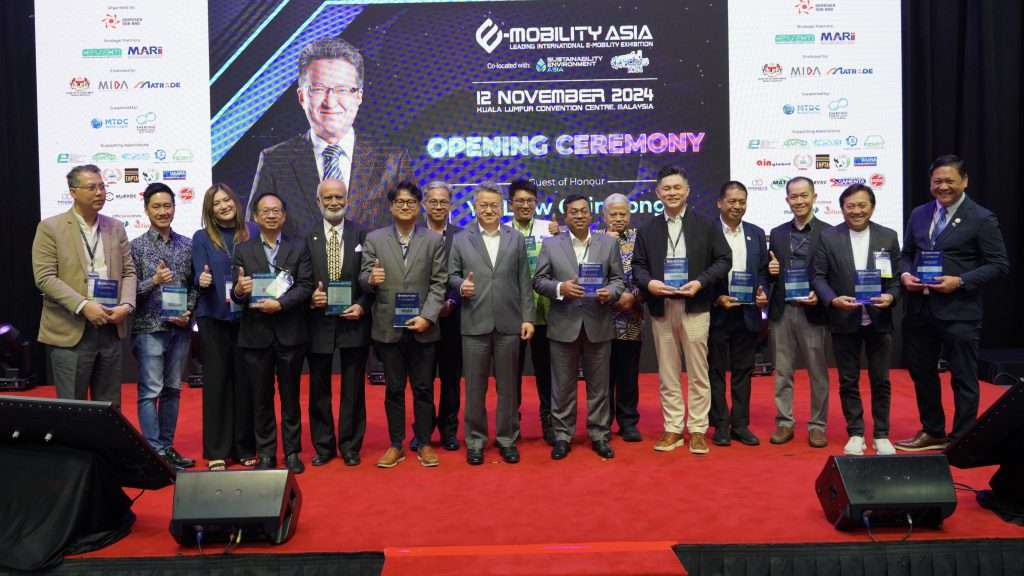
This is my speech delivered at E-Mobility Asia on November 12, 2024.

